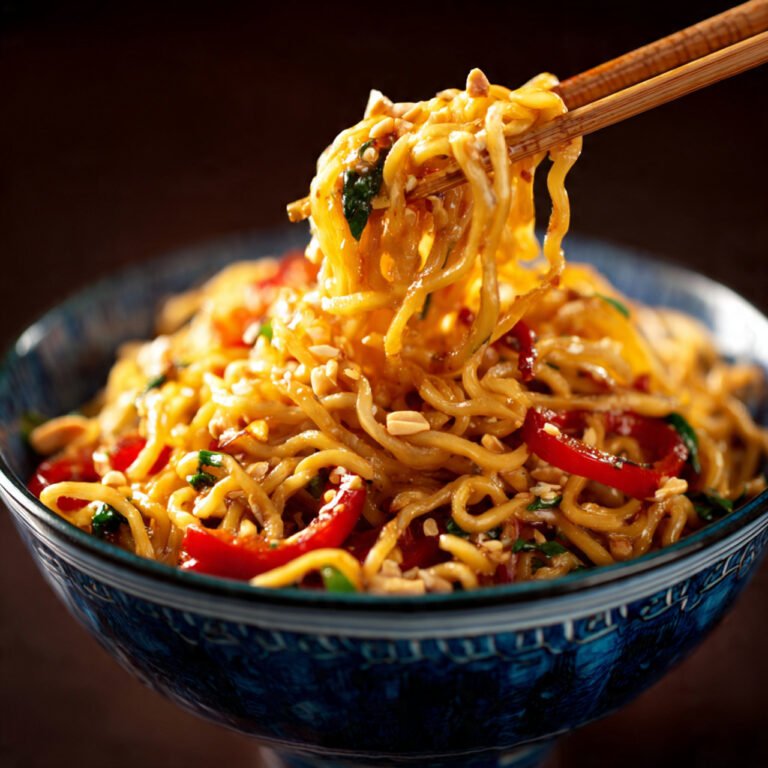
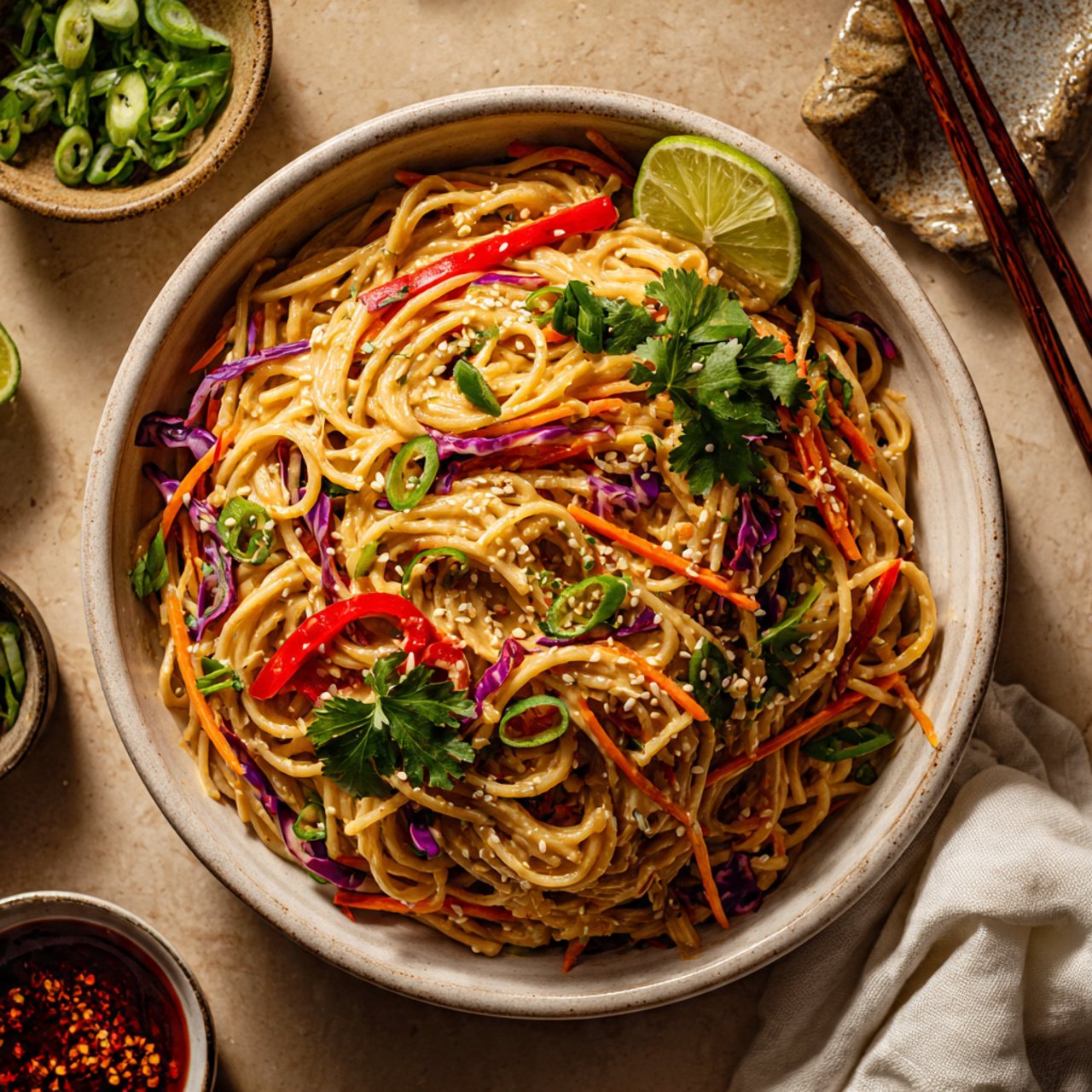
Creamy Vegan Sesame Noodles: The Ultimate Easy Asian Noodle Dish
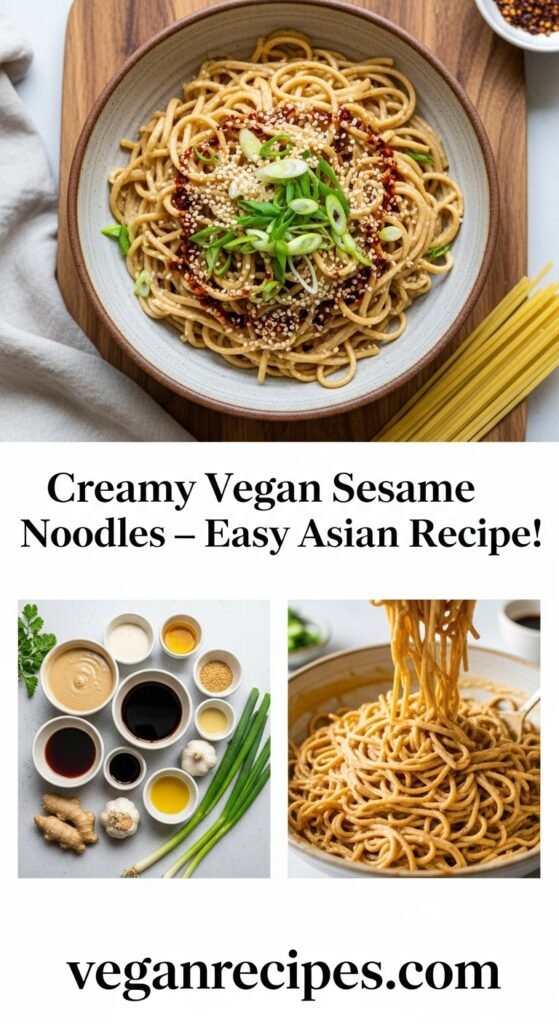
Introduction
Get ready to fall in love with these irresistible vegan sesame noodles that deliver authentic Asian flavors without requiring any special cooking skills or hard-to-find ingredients. This restaurant-quality dish features tender noodles coated in the most incredible creamy, nutty sesame sauce that’s rich, savory, and perfectly balanced with bright ginger, garlic, and a hint of heat. Whether you’re craving a quick weeknight dinner, looking for an impressive yet effortless dish to serve guests, or searching for the perfect cold noodle salad for summer entertaining, these vegan sesame noodles will become your go-to recipe that earns endless compliments and requests for the recipe.
What makes this vegan sesame noodles recipe truly exceptional is how it captures the essence of traditional Asian noodle dishes while using completely plant-based ingredients. The sauce is luxuriously creamy and deeply flavorful, achieving its richness from tahini and coconut milk rather than any animal products. Fresh vegetables add crunch and nutrition, while fresh herbs and garnishes provide aromatic complexity that makes every bite interesting. Best of all, this dish comes together in about 20 minutes from start to finish, making it perfect for busy weeknights when you want something that tastes like you spent hours cooking.
These easy vegan sesame noodles are destined to become a permanent fixture in your cooking repertoire. Serve them warm as a comforting main course on cool evenings, or chill them for a refreshing summer lunch that travels beautifully. Prepare a big batch for meal prep and enjoy delicious leftovers throughout the week. Bring them to potlucks where they’ll outshine less flavorful options. Use them as a base for customization with your favorite vegetables and proteins. Once you experience how satisfying and delicious properly made sesame noodles can be, you’ll understand why they’re beloved throughout Asia and increasingly popular around the world.
History & Background
Sesame noodles have a rich culinary heritage spanning multiple Asian cultures and centuries of development, though the exact origins are somewhat contested and vary by region. The most widely accepted origin story traces sesame noodles to China, where sesame has been cultivated and used in cooking for thousands of years. The combination of noodles with sesame-based sauces emerged as a distinctive dish during the 20th century, particularly in Beijing and northern Chinese cuisine.
In Beijing’s culinary tradition, sesame noodles (or “ma la” noodles) became a beloved street food and casual dining staple, typically served cold as a refreshing summer dish. The sauce traditionally combines sesame paste (or sesame oil), soy sauce, vinegar, and garlic, creating a distinctive nutty, slightly tangy flavor profile. Street vendors would offer steaming bowls of noodles topped with the cold sesame sauce and fresh vegetables, providing affordable, satisfying meals to workers and families throughout the city.
The dish gained international recognition particularly through Chinese restaurants and Asian cuisine enthusiasts in Western countries during the latter half of the 20th century. As sesame noodles became more popular globally, regional variations emerged. Some versions incorporate coconut milk for creaminess, others use peanut butter as a sesame sauce alternative or complement, and many include specific vegetables and proteins that reflect local availability and preferences. Korean, Thai, Vietnamese, and Japanese cuisines also developed their own sesame noodle interpretations, each bringing distinctive flavors and techniques to the basic concept.
The vegan sesame noodles recipe represents the modern evolution of this classic Asian dish for plant-based eating. Interestingly, traditional sesame noodles were largely plant-based long before veganism became a widespread lifestyle choice. The addition of tahini, coconut milk, or cashew cream to create creamier versions is actually quite consistent with how Asian cuisines traditionally adapted dishes. This vegan version honors the authentic Asian spirit of the dish while making it accessible to those seeking plant-based options and those with dairy allergies. The beauty of sesame noodles is that they adapt beautifully to countless ingredient variations while maintaining their essential character: noodles coated in a rich, savory sauce featuring the distinctive nutty flavor of sesame.
Why You’ll Love This Recipe
This creamy vegan sesame noodles recipe delivers restaurant-quality results with minimal effort and maximum flavor, making it a winner for countless occasions.
The combination of tender noodles, creamy yet light sesame sauce, fresh vegetables, and aromatic garnishes creates a dish that’s satisfying without being heavy. It’s the kind of meal that tastes like an indulgence but actually provides genuine nutrition and leaves you feeling energized rather than sluggish.
Here’s why these easy Asian noodles will become your new favorite:
- Authentic Asian flavors – The sesame sauce is rich, nutty, and perfectly balanced without any dairy products
- Incredibly quick – Ready in about 20 minutes from start to finish; perfect for busy weeknights
- Naturally plant-based – No substitutions needed; this recipe is inherently vegan and delicious
- Customizable toppings – Add your favorite vegetables, proteins, and garnishes for endless variety
- Make-ahead friendly – Serve warm, at room temperature, or chilled; stores beautifully for days
- Budget-friendly ingredients – Made with affordable pantry staples that don’t require specialty shopping
- Impressive presentation – Looks restaurant-quality despite being simple to prepare
- Cold or warm serving – Enjoy hot on chilly evenings or chilled for summer meals
- Meal prep perfection – Makes a large batch that provides several delicious lunches
- Endlessly adaptable – Works with any noodle type and welcomes ingredient modifications
Ingredient Notes
Understanding each ingredient’s role helps you create the most delicious, authentic vegan sesame noodles possible. Here’s your complete guide to selecting and preparing each component.
Noodles: The traditional choice for sesame noodles is Chinese wheat noodles, often labeled as “lo mein” noodles or “chow mein” noodles. These tender, slightly chewy noodles are thinner than spaghetti and provide the perfect canvas for the sauce. If unavailable, spaghetti, linguine, or any thin pasta works beautifully. For a healthier option, try buckwheat soba noodles, which pair wonderfully with the Asian flavors and add nutty depth. Brown rice noodles work for gluten-free versions. Fresh noodles are preferable to dried for the best texture, though dried noodles work perfectly well.
Tahini: This ground sesame seed paste is the heart of the sauce and provides the essential nutty, creamy base. Choose raw, unsalted tahini for best flavor control. Tahini can sometimes be grainy or separated; if you encounter this, give it a good stir before using. Some versions made with hulled sesame seeds are smoother and lighter in color; either works beautifully. The quality of tahini significantly impacts the final sauce, so choose a good brand you trust.
Coconut Milk: Full-fat coconut milk adds creaminess and subtle sweetness that balances the earthiness of sesame and the brightness of citrus. Use the thick cream from a refrigerated can for the richest results. If using canned coconut milk, scoop the thick cream from the top of the can rather than shaking it. Light coconut milk can substitute if you prefer a less rich sauce, though the results will be thinner.
Soy Sauce: Traditional soy sauce (shoyu) provides essential umami depth and saltiness. Choose a high-quality soy sauce; the difference in flavor is noticeable. Tamari (gluten-free soy sauce made without wheat) works perfectly for those avoiding gluten. Low-sodium soy sauce requires adjustment to other seasonings. Coconut aminos can substitute for a lower-sodium option, though the flavor profile changes slightly.
Rice Vinegar: The subtle acidity from rice vinegar brightens the sauce and prevents it from tasting flat or one-dimensional. Rice vinegar is gentler and more delicate than distilled vinegar. If unavailable, rice wine vinegar or fresh lime juice can substitute. The acidity is essential for balance, so don’t skip this ingredient.
Fresh Ginger: Fresh ginger adds warming spice and aromatic complexity. Use a microplane or fine grater to mince it very finely so it distributes evenly throughout the sauce. Fresh ginger is vastly superior to ground ginger for this application.
Garlic: Fresh minced garlic contributes sharp, savory depth to the sauce. Mince it finely or use a garlic press. Fresh garlic is essential; powder or jarred garlic won’t provide the same impact.
Sesame Oil: Toasted sesame oil (not light or cold-pressed) provides distinctive nutty aroma and flavor. A small amount goes a long way—use it as a finishing drizzle or incorporate it into the sauce. Sesame oil burns easily, so never use it as a cooking oil; add it at the end for fresh flavor.
Red Pepper Flakes or Chili Oil: Optional but recommended for those who enjoy heat. A small amount adds subtle warmth and complexity without making the noodles spicy-hot. Adjust based on your heat preference.
Lime or Lemon Juice: Fresh citrus juice brightens the sauce and balances the rich sesame flavor. Lime is traditional and provides authentic Asian flavor, though lemon works beautifully too. Bottled juice is inferior; use fresh.
Maple Syrup or Agave Nectar: A small amount of sweetness balances the other flavors and helps the sauce emulsify. Start with less and add more to taste—you want a hint of sweetness, not sweetness as a dominant flavor.
Equipment Needed
These vegan sesame noodles come together easily with standard kitchen equipment.
- Large pot (for cooking noodles)
- Colander (for draining)
- Large mixing bowl or serving bowl
- Small bowl (for making sauce)
- Whisk or fork (for mixing sauce)
- Measuring cups and spoons
- Cutting board and sharp knife
- Microplane or fine grater (for ginger and garlic)
- Tongs or pasta server
- Optional: sesame seeds grinder or spice grinder
- Optional: food processor (for rough chopping vegetables)
📋 Recipe Card
Prep Time: 10 minutes
Cook Time: 8-10 minutes (for noodles)
Total Time: 20 minutes
Yield: 4 servings
Category: Main Course, Noodle Dish, Lunch
Method: Stovetop, One-Pot
Cuisine: Asian, Chinese
Diet: Vegan, Dairy-Free, Optionally Gluten-Free
Description: These creamy vegan sesame noodles feature tender noodles coated in a rich, nutty tahini-based sauce with ginger, garlic, and a hint of heat. Topped with fresh vegetables and crunchy garnishes, this restaurant-quality dish comes together in just 20 minutes.
Ingredients
- 1 pound fresh or dried Chinese wheat noodles (lo mein or chow mein)
- 8 cups water
- 1 teaspoon salt (for cooking water)
- ⅓ cup tahini
- ⅓ cup full-fat coconut milk
- 3 tablespoons soy sauce (or tamari for gluten-free)
- 2 tablespoons rice vinegar
- 2 tablespoons fresh lime juice
- 1 tablespoon sesame oil
- 2 cloves garlic, minced very finely
- 1 tablespoon fresh ginger, minced very finely (or grated)
- 1 tablespoon maple syrup or agave nectar
- ½ teaspoon red pepper flakes (adjust to taste)
- 2-4 tablespoons warm water (for thinning sauce)
For Toppings (Choose Your Favorites):
- 2 cups fresh vegetables (shredded carrots, julienned cucumbers, thinly sliced red bell peppers, shredded cabbage, snap peas)
- 3 tablespoons sliced green onions (scallions)
- 2 tablespoons fresh cilantro, chopped
- 2 tablespoons roasted sesame seeds
- 1 tablespoon crushed peanuts (optional, for crunch)
- 1 teaspoon chili oil or sriracha (optional, for extra heat)
- Lime wedges for serving
Instructions
Step 1: Cook the Noodles
Bring 8 cups of water to a rolling boil in a large pot. Add 1 teaspoon of salt. Add the noodles and cook according to package directions, usually 4-5 minutes for fresh noodles or 8-10 minutes for dried noodles. The noodles should be tender but still have a slight bite (al dente), not mushy. When cooked, drain thoroughly in a colander but do not rinse—the starch helps the sauce adhere.
Step 2: Make the Sauce
While noodles cook, prepare the sauce. In a small bowl, whisk together the tahini, coconut milk, soy sauce, rice vinegar, and lime juice. The mixture may seem thick at first—this is normal. Add the sesame oil, minced garlic, minced ginger, maple syrup, and red pepper flakes. Whisk thoroughly until smooth and well combined. If the sauce seems too thick, whisk in warm water 1 tablespoon at a time until you reach the desired consistency. The sauce should be pourable but still coat a spoon—thicker than water but thinner than peanut butter.
Step 3: Combine Noodles and Sauce
Transfer the hot cooked noodles to a large mixing bowl or your serving bowl. Pour the sesame sauce over the warm noodles and toss gently but thoroughly, using tongs or two forks to coat every strand of noodle with sauce. The warm noodles will help the sauce distribute evenly and adhere beautifully.
Step 4: Prepare Fresh Vegetable Toppings
While the noodles and sauce are combining, prepare your chosen fresh vegetables. Shred or julienne them into thin, bite-sized pieces that will be easy to eat with noodles. The variety of textures and colors makes the dish more interesting and appealing.
Step 5: Add Toppings
Arrange the fresh vegetables on top of the dressed noodles. Sprinkle with sliced green onions, fresh cilantro, and roasted sesame seeds. Add crushed peanuts for extra crunch if desired. Drizzle with a small amount of chili oil or sriracha for extra heat, if you like.
Step 6: Serve
Serve immediately while the noodles are still warm, or cover and refrigerate for serving chilled or at room temperature later. Include lime wedges so guests can add extra bright flavor if desired.
Notes
- The sauce will thicken slightly as it cools, so make it slightly thinner than your ideal finished consistency when serving warm.
- These noodles are delicious served hot, at room temperature, or chilled. Choose based on preference and weather.
- Do not rinse the cooked noodles—the starch helps the sauce stick to them.
- Tahini can be thick and sticky; warm it slightly or add water gradually to achieve the proper sauce consistency.
- The sauce can be made up to 2 days in advance and stored in the refrigerator. Allow it to come to room temperature or warm slightly before tossing with noodles.
- Fresh noodles cook much faster than dried noodles, so adjust your timing accordingly.
Nutrition Facts Table
Per serving (approximately 1.5 cups, based on 4 servings)
| Nutrient | Amount |
|---|---|
| Serving Size | 1.5 cups (approximately 300g) |
| Calories | 445 kcal |
| Total Fat | 19g |
| Saturated Fat | 6g |
| Unsaturated Fat | 11g |
| Trans Fat | 0g |
| Cholesterol | 0mg |
| Sodium | 520mg |
| Total Carbohydrates | 58g |
| Dietary Fiber | 4g |
| Total Sugars | 6g |
| Protein | 13g |
Note: Nutrition information is calculated using standard recipe databases and may vary based on specific ingredients used, noodle variety, and topping quantities.
Tips & Variations
This versatile vegan sesame noodles recipe welcomes creative customization while maintaining its essential Asian character. Here are delicious variations to explore.
Spicy Szechuan Version: Increase red pepper flakes to 1 teaspoon and add 1 teaspoon of Szechuan peppercorns (ground or crushed) for the distinctive tingly heat of authentic Szechuan cuisine. Add extra sesame oil for richness.
Peanut Sesame Noodles: Replace or supplement the tahini with natural peanut butter (using 2-3 tablespoons tahini and 2-3 tablespoons peanut butter). This creates a classic Thai-inspired variation that’s incredibly creamy and deeply flavorful.
Cold Noodle Salad: Prepare the noodles as directed, then toss with sauce and chill completely. Serve as a cold salad with crisp fresh vegetables. Add edamame, shredded beets, or roasted chickpeas for protein and extra color.
Protein-Rich Version: Add 1-2 cups of cooked protein such as marinated tofu cubes, crispy tempeh, roasted chickpeas, or store-bought vegan chicken pieces. Toss with the noodles and sauce, or arrange on top for presentation.
Vegetable-Loaded: Add 2-3 cups of steamed or raw vegetables such as broccoli florets, snap peas, carrots, or mushrooms. Warm vegetables can be mixed directly into the noodles; raw vegetables can be served as toppings.
Coconut Curry Version: Add 1-2 teaspoons of red curry paste to the sauce for Thai-inspired flavor. Increase coconut milk slightly for a saucier consistency. Top with fresh basil instead of cilantro.
Creamy Cashew Variation: Replace coconut milk with cashew cream (½ cup raw cashews blended with ½ cup water) for a lighter, slightly different texture that’s equally delicious.
Quick Stir-Fry Style: Toss hot cooked noodles with sauce and quickly stir-fry with fresh vegetables in a hot wok or large skillet, similar to traditional chow mein preparation.
Asian Noodle Bowl: Serve sesame noodles as one component of a larger Asian-inspired bowl with brown rice, steamed vegetables, avocado, roasted tofu, and a variety of crunchy toppings.
Pro Chef Tips
Elevate your vegan sesame noodles from good to exceptional with these professional techniques that make all the difference.
Don’t rinse the cooked noodles. The starch left on the noodles helps the sesame sauce cling to them, creating a more cohesive, integrated dish. Rinsing removes this starch and results in sauce that slides off rather than coating the noodles.
Mince your ginger and garlic very finely. These ingredients should be nearly imperceptible as individual pieces, distributing throughout the sauce as minute flavor particles. Large chunks create unpleasant, unbalanced bites. Use a microplane for ginger and a fine grater or garlic press for garlic.
Warm your tahini slightly before mixing. If tahini is cold from the refrigerator, it can be stiff and lumpy. Warming it gently or whisking it with the other sauce ingredients gradually helps create a smooth emulsion. Start with less liquid and add more as needed.
Balance your sauce carefully. The sauce should have balanced flavors: the earthiness of sesame, the umami of soy, the brightness of citrus, subtle sweetness, and subtle heat. Taste the sauce alone before adding to noodles and adjust flavors carefully. Small adjustments make big differences.
Toss while warm. The warmth helps the sauce coat the noodles more effectively and helps flavors meld. If the noodles have cooled, gently warm them slightly before tossing with sauce, or reheat the sauce to warm.
Use quality sesame oil as a finishing touch. Sesame oil burns at low temperatures and loses its distinctive fragrance with heat. Add it after cooking or at the very end. A small drizzle of toasted sesame oil just before serving adds aromatic depth and professional polish.
Layer your garnishes thoughtfully. Rather than mixing all toppings into the noodles, arrange them on top for visual appeal and so guests can taste distinct flavors. This presentation looks more intentional and allows people to customize their portions.
Common Mistakes to Avoid
Even simple recipes can go wrong without proper attention. Here’s how to ensure your vegan sesame noodles turn out perfectly every time.
Using tahini that’s too thick: Cold, stiff tahini doesn’t emulsify properly and creates lumpy sauce. Warm it slightly or whisk gradually with liquids to create smoothness. If your tahini consistently causes problems, it may be time to switch brands.
Overcooking the noodles: Overcooked noodles are mushy and don’t hold sauce well. Cook according to package directions, checking a minute or two early. The noodles should have a slight chew (al dente), not be completely soft.
Making the sauce too thick: A sauce so thick it barely pours won’t coat the noodles evenly or taste as good. It should be thinner than peanut butter but still coat a spoon. Add warm water gradually until you reach the right consistency.
Skipping fresh ginger and garlic: Bottled ginger or garlic powder simply cannot replicate the bright, fresh impact of freshly minced ingredients. Take the extra moment to mince fresh ginger and garlic—it makes a noticeable difference.
Not balancing flavors: The sauce needs balance between umami (soy), earthiness (sesame), brightness (citrus), subtle sweetness, and subtle heat. Tasting and adjusting before serving ensures a harmonious, complete flavor.
Rinsing cooked noodles: This removes the starch that helps sauce adhere and results in noodles that are harder to coat evenly. Skip rinsing for the best texture.
Adding all garnishes before serving: While garnishes are delicious, adding them all in the bowl dilutes their individual flavors. Arrange them on top so their distinct textures and tastes shine through clearly.
Storage & Meal Prep
Vegan sesame noodles are excellent for meal prep because they hold up beautifully in storage and actually improve slightly over time.
Refrigerator Storage: Store cooked sesame noodles in an airtight container in the refrigerator for up to 4 days. The sauce will thicken as it cools—this is completely normal. The noodles actually develop deeper flavor as they rest overnight.
Serving Temperature Options: Sesame noodles are delicious served warm (fresh from cooking), at cool room temperature, or completely chilled. Different temperatures provide different eating experiences—choose based on preference and weather.
Refreshing Refrigerated Noodles: If your refrigerated noodles seem dry or the sauce has thickened too much, gently reheat them or whisk in 1-2 tablespoons of warm water to loosen the sauce. Toss gently to recombine. A small drizzle of fresh sesame oil revives the flavor beautifully.
Meal Prep Strategy: Make a large batch of noodles and sauce on Sunday, then portion into individual containers. Store in the refrigerator for grab-and-go lunches throughout the week. Add fresh vegetable toppings just before eating for maximum crunch.
Transporting and Packing: Pack the noodles and sauce in a sealed container with fresh vegetables and garnishes in a separate container. Combine when ready to eat for the crunchiest vegetables and most cohesive eating experience.
Component Storage: The sauce can be made up to 3 days in advance and stored separately from the noodles. Cook noodles the night before or morning of, then combine with sauce shortly before serving for the best texture and flavor.
Make-Ahead & Freezer Notes
Strategic preparation makes these noodles perfect for meal planning and quick future meals.
Make-Ahead Timeline: The sesame sauce can be made up to 3 days in advance and stored in an airtight container in the refrigerator. Noodles can be cooked up to 2 days ahead, though they’re best cooked the day of or day before serving. Complete dishes (noodles with sauce) keep for 4 days.
Day-Before Preparation: For best freshness and texture, cook noodles the night before and refrigerate tossed with sauce. The flavors will develop overnight, creating an even more delicious dish.
Sauce Prep: Make double batches of sauce when you have time. Store in glass containers in the refrigerator for up to 3 days. Having ready-made sauce makes assembling quick noodle meals incredibly fast.
Freezing Recommendations: Unfortunately, cooked sesame noodles do not freeze well. The noodles become mushy, and the sauce separates upon thawing, creating an unappealing texture and consistency. However, the uncooked sauce freezes reasonably well for up to 1 month in a freezer-safe container, though some separation is normal and can be whisked back together.
Large Batch Preparation: This recipe doubles or triples easily for larger gatherings. Prepare sauce in proportion, cook noodles in batches if needed, and use the same ratio of sauce to noodles. The dish scales beautifully.
Pre-Portioned Meal Prep: For maximum convenience, portion cooked noodles and sauce into individual containers with toppings packed separately. These grab-and-go portions are perfect for busy weekday lunches or quick dinners.
Serving Suggestions
These versatile vegan sesame noodles complement a wide range of dishes and fit into many different meal contexts.
Asian-Inspired Dinner Party: Serve sesame noodles as part of a larger Asian feast alongside spring rolls, edamame, steamed bok choy, and vegetable dumplings. Create a beautiful spread that showcases multiple Asian flavors and preparations.
Weeknight Dinner: Enjoy a generous bowl of warm sesame noodles alongside a simple salad and steamed or roasted vegetables for a complete, satisfying meal that comes together quickly.
Cold Noodle Salad for Summer: Chill the noodles and serve as a refreshing cold salad during hot weather, alongside chilled beverages and other light summer foods.
Packed Lunch: Transport noodles in an airtight container for work or school lunches. Pack fresh toppings separately to add just before eating for maximum texture and flavor.
Mezze-Style Component: Include sesame noodles as part of a larger spread of international dishes—Israeli salad, hummus, falafel, and other Mediterranean-Asian fusion items.
Quick Weeknight Stir-Fry: Toss the cooked sesame noodles with stir-fried vegetables and tofu in a hot wok for a more dynamic, restaurant-style preparation.
Noodle Bowl Bar: Create a noodle bowl bar for casual entertaining where guests build their own bowls with cooked noodles, sauce, and their choice of fresh toppings and proteins.
Beverage Pairings: Sesame noodles pair beautifully with cold beverages like sparkling water with lime, iced tea, lychee juice, or light Asian beers. For wine, a crisp Sauvignon Blanc or light Riesling provides refreshing contrast.
What’s the best type of noodle for sesame noodles?
Traditional Chinese wheat noodles (lo mein or chow mein) are ideal for their tender, chewy texture. If unavailable, any thin pasta like spaghetti, linguine, or angel hair works beautifully. For added nutrition and nuttier flavor, try buckwheat soba noodles. Brown rice noodles are excellent for gluten-free versions. The key is using noodles thin enough to be coated evenly by sauce.
Can I make this recipe with peanut butter instead of tahini?
Yes! You can use 3-4 tablespoons of natural peanut butter in place of or in combination with tahini. This creates a Thai-inspired version that’s equally delicious. The flavor will be slightly different—more peanut-forward than nutty-sesame—but equally authentic to its own tradition.
How do I fix a sauce that’s too thick?
Add warm water very gradually, whisking between additions, until you reach the desired consistency. Start with 1 tablespoon at a time. The sauce should coat a spoon but still be pourable. If you add too much water, you can whisk in more tahini to thicken.
Can I make this gluten-free?
Yes! Use tamari (gluten-free soy sauce) instead of regular soy sauce, and choose gluten-free noodles such as brown rice noodles or chickpea-based noodles. Everything else in the recipe is naturally gluten-free.
How do I store tahini properly?
Store tahini in a cool, dark place in a sealed container. Natural tahini separates, with oil rising to the top—this is normal. Stir thoroughly before using. Some people refrigerate tahini, which makes it firmer and easier to scoop, though it also makes it harder to mix. Room temperature storage is more common.
Can I serve these noodles cold?
Absolutely! Prepare them as directed, then chill completely in the refrigerator for at least 1-2 hours. Cold noodles are wonderfully refreshing during hot weather. The sauce will thicken as it cools; add a splash of water and toss before serving if needed.
What vegetables work best as toppings?
Crisp, fresh vegetables provide the best contrast to soft noodles and creamy sauce. Shredded carrots, julienned cucumbers, thinly sliced red bell peppers, shredded cabbage, thinly sliced radishes, snap peas, and steamed broccoli all work beautifully. Choose a variety of colors and textures for visual appeal and interesting eating.
How do I add protein to this dish?
Add 1-2 cups of cooked protein such as marinated tofu cubes, crispy tempeh, roasted chickpeas, cooked edamame, or store-bought vegan chicken pieces. Warm proteins can be mixed directly into the noodles; cold proteins can be arranged on top for presentation.
Conclusion
These creamy vegan sesame noodles prove that authentic Asian flavors translate beautifully to plant-based cooking without any compromise on taste or satisfaction. With their rich, nutty sesame sauce, tender noodles, fresh vegetables, and aromatic garnishes, these noodles deliver a restaurant-quality experience that rivals or exceeds takeout versions while being infinitely cheaper, fresher, and customizable to your exact preferences.
What I love most about this recipe is its remarkable simplicity paired with extraordinary flavor impact. You can have a complete, delicious, restaurant-quality meal on the table in about 20 minutes using basic pantry ingredients. The noodles work equally well served hot, at room temperature, or chilled, making them perfect for any season or occasion. They’re excellent for meal prep, entertaining, impressing guests, or simply satisfying a craving for authentic Asian flavors whenever the mood strikes.
I hope you’ll make these vegan sesame noodles a regular part of your cooking repertoire. They’re perfect for weeknight dinners when you want something fast and flavorful, potlucks where you want to bring something impressive, picnics and packed lunches that travel beautifully, and any time you crave the complex, deeply satisfying flavors of Asian cuisine. Once you experience how easy and rewarding homemade sesame noodles can be, you’ll never look at takeout menus the same way again.
If you create these noodles, I’d love to hear about your experience! Leave a comment below sharing your favorite variations, topping combinations, or any questions you might have. And if these delicious noodles earn a place at your table, please share the recipe on Pinterest so other home cooks can discover the joy of making authentic Asian cuisine at home. Happy noodling, friends!