Cozy Vegan Rice Pilaf: A One-Pan Comfort Meal Everyone Will Love

Introduction of Recipe
If you’ve been searching for a simple yet incredibly tasty addition to your weeknight repertoire, look no further than this Vegan Rice Pilaf. This comforting dish consists of fluffy rice infused with aromatic vegetables and herbs, all gently cooked until every bite bursts with fresh, savory flavor. Perfect for busy evenings or when you just need a break from the hustle, this rice pilaf is a satisfying way to feed a hungry family or have some wholesome leftovers for the next day.
Why is it so popular? Because it’s budget-friendly, versatile, and can easily be dressed up for a special occasion. You can enjoy it as a main course or pair it with other plant-based favorites when you’re hosting. And the best part is that it channels the same cozy vibes you’d get from classic comfort staples—think of creamy chicken and rice or even an easy Southern smothered chicken—without a single animal product in sight. So, whether you’re planning a low-key family meal or simply craving a generous bowl of savory rice, this fuss-free Vegan Rice Pilaf is going to become your new favorite.
Serve it on casual nights when you’re craving a light yet satisfying dinner, or bring it out alongside a bigger spread for holiday gatherings. In every scenario, it will shine as an approachable and nutrient-packed dish that everyone can enjoy, much like a one-pan chicken dinner but entirely plant-based.
History / Background
Rice pilaf has origins that span across various cuisines around the globe. From the Middle East and Central Asia through the Mediterranean and beyond, nearly every culture has its own spin on cooking rice with vegetables, spices, or stock. Traditionally, pilaf often contains herbs and sometimes meats, but plant-based versions are just as culturally significant in many parts of the world. In Middle Eastern and South Asian cooking, pilaf is typically made using long-grain fragrant rice, such as basmati, cooked in a well-seasoned broth.
Over centuries, this method traveled westward, adapting and transforming to fit local palates. In many Mediterranean regions, onions, garlic, and a splash of olive oil are essential additions, while Caribbean variants might highlight coconut milk and peppers. In the United States, rice pilaf rose to popularity as a no-fail side dish gracing dinner tables everywhere—due in large part to its adaptability. Cooks found it to be a wonderful vehicle for leftover vegetables, spices, and whatever else they had on hand.
So why is Vegan Rice Pilaf so special? By skipping animal products and focusing on vegetables, herbs, and just a touch of oil, you capture the same depth of flavor found in classic versions—just without saturated fats or meats. This backstory of widespread cultural adaptation is precisely why pilaf continues to be a staple. It’s simple, it’s comforting, and you can make countless versions depending on your family traditions or pantry offerings.
Why You’ll Love This Recipe
This Vegan Rice Pilaf is a one-pot dream for busy home cooks everywhere. It’s loaded with veggies for a burst of color and nutrients, all gently simmered in a well-seasoned broth to make every spoonful a delight.
- Budget-Friendly: Uses pantry staples like rice, onions, and carrots.
- Quick & Easy: A straightforward recipe perfect for weeknights.
- Family-Friendly: Mild, flavorful taste that both adults and kids can enjoy.
- Meal Prep Superstar: Stores well in the fridge and reheats beautifully.
- Oil & Butter–Free Option: You can even make this recipe without oil (using veggie broth to sauté) for a lighter version.
Ingredient Notes
Below, you’ll find a breakdown of the key elements making up this wonderful pilaf, along with any notable substitutions:
- Rice: Long-grain white rice, such as basmati or jasmine, is ideal for pilaf due to its fluffy texture. You can use brown rice for a nuttier flavor; just adjust the cooking time and quantity of liquid accordingly.
- Vegetables: Onions, carrots, and celery build a fragrant, bold foundation. Feel free to add peas, bell peppers, or mushrooms if you like extra color and variety.
- Garlic & Herbs: Minced garlic and dried or fresh herbs (like thyme or parsley) lend the pilaf a savory depth. If you’re missing fresh herbs, dried versions are totally fine—just remember to use half the amount of the fresh recommendation.
- Vegetable Broth: This is vital as it replaces animal-based stocks while still providing richness to the dish. Watch out for sodium levels in store-bought broths, or opt for low-sodium versions.
- Olive Oil (Optional): Offers added richness and moisture. For an oil-free version, you can sauté the vegetables in a few tablespoons of vegetable broth instead.
- Seasonings: Salt, pepper, and a dash of cumin or coriander (if you like subtle warmth) will awaken the flavors. Adjust to taste.
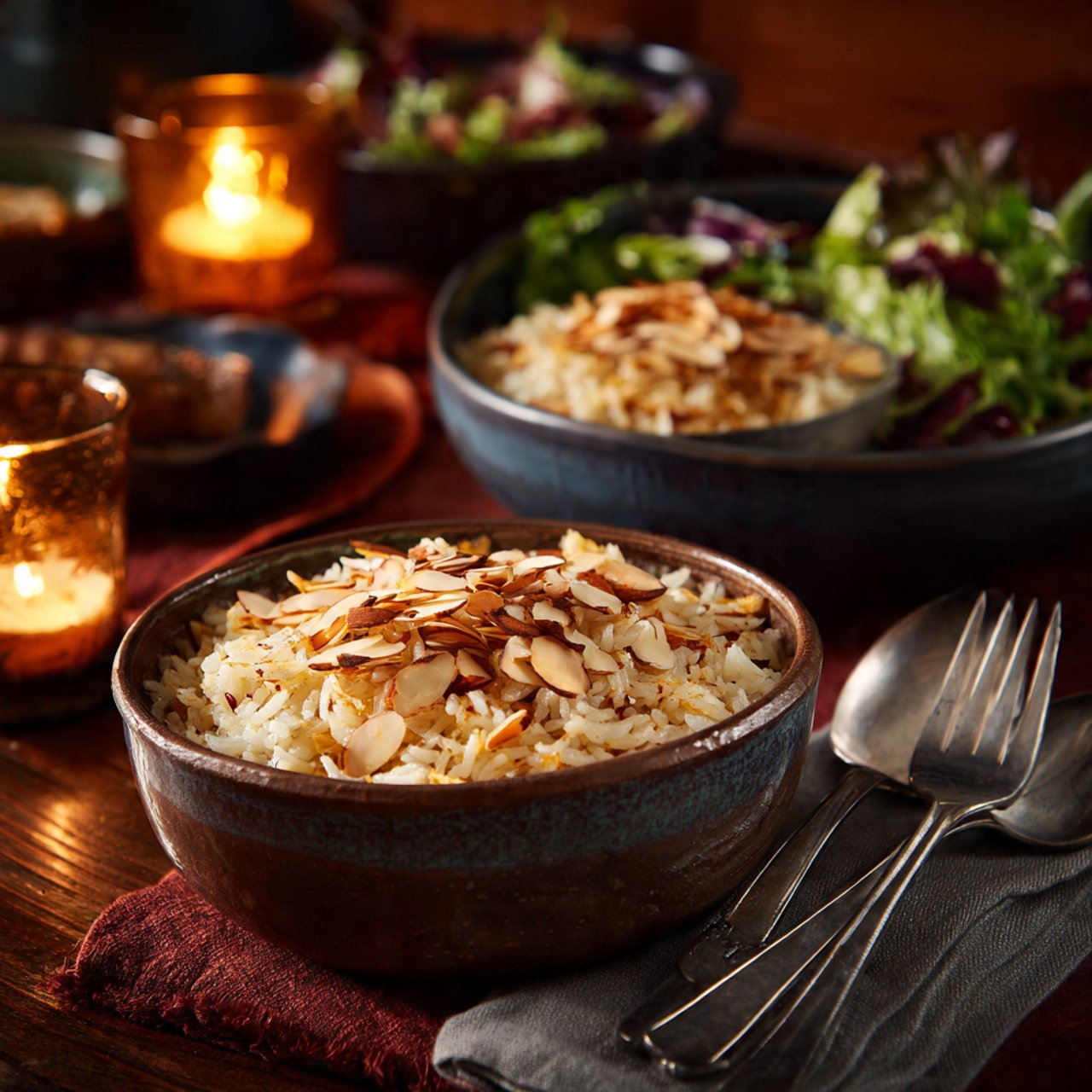
- Garnishes: Fresh parsley, green onions, or toasted almonds can bring a pop of flavor and texture. Don’t be afraid to experiment!
Equipment Needed
To create this delightful Vegan Rice Pilaf, you won’t need a kitchen full of fancy gadgets. Here’s your short list:
- Large Skillet or Saucepan (with a Lid)
- Knife & Cutting Board
- Measuring Cups & Spoons
- Wooden Spoon or Spatula
- Whisk (optional, if you prefer to whisk your broth and spices)
- Serving Dish (for plating)
📋 Recipe Card
Prep Time: 10 minutes
Cook Time: 20 minutes
Total Time: 30 minutes
Yield: 4 servings
Category: Dinner
Method: Stovetop
Cuisine: American
Diet: Vegan
Description (For Tasty Recipes Plugin)
This Vegan Rice Pilaf combines fluffy rice, sautéed veggies, and savory broth in one pot. It’s an easy, family-friendly recipe that’s great for weeknights and special occasions alike.
Ingredients
- 2 tablespoons olive oil (optional, or use vegetable broth for sautéing)
- 1 small onion, finely chopped
- 1 medium carrot, peeled and diced
- 1 stalk celery, diced
- 2 cloves garlic, minced
- 1 cup long-grain white rice (basmati or jasmine)
- 2 cups vegetable broth (low-sodium, if possible)
- 1 teaspoon dried thyme
- 1 teaspoon salt (adjust to taste)
- ¼ teaspoon black pepper
- Chopped fresh parsley (optional garnish)
Instructions
- Sauté the Aromatics: In a large skillet or saucepan over medium heat, warm olive oil (or a splash of vegetable broth). Add the chopped onion, diced carrot, and celery. Cook for about 4 to 5 minutes, stirring occasionally, until the vegetables begin to soften.
- Add Garlic: Stir in the minced garlic and sauté for an additional minute, taking care not to burn the garlic.
- Toast the Rice: Add the rice to the pan. Stir it well so each grain is coated in oil (or broth) and the vegetables. Let the rice toast slightly, about 1 minute, to enhance its nutty flavor.
- Combine with Broth & Seasonings: Pour in the vegetable broth. Add dried thyme, salt, and black pepper. Stir everything together, ensuring no rice is sticking to the bottom.
- Simmer & Cover: Bring the mixture to a gentle boil, then reduce the heat to low. Place a lid on the skillet or saucepan. Simmer for about 15 minutes or until the rice has absorbed the broth and becomes tender.
- Fluff & Serve: Turn off the heat and let the pilaf rest, covered, for 5 minutes. Fluff the rice with a fork and garnish with fresh parsley if desired. Serve warm.
Notes
- Substitutions: Swap white rice for brown rice (increase liquid by ½ cup and cooking time by 10-15 minutes).
- Add-Ins: Frozen peas, corn, or bell peppers make colorful additions.
- Seasoning Variations: Experiment with fresh dill, oregano, or basil.
- Oil-Free Method: Omit the olive oil and sauté vegetables with 2 tablespoons of vegetable broth, adding more as needed to prevent sticking.
Nutrition Facts Table
| Serving Size | 1 cup (approx.) |
|---|---|
| Calories | ~210 |
| Sugar | ~3g |
| Sodium | ~530mg |
| Fat | ~4g |
| Saturated Fat | ~0.5g |
| Unsaturated Fat | ~3.5g |
| Trans Fat | 0g |
| Carbohydrates | ~40g |
| Fiber | ~3g |
| Protein | ~5g |
| Cholesterol | 0mg |
(Nutrition information is approximate and may vary based on product brands and additions.)
Tips & Variations
- Spice It Up: Feel free to add a pinch of chili flakes or a chopped jalapeño if you want a spicy kick.
- Make It Mediterranean: Add chopped sun-dried tomatoes, olives, and a sprinkle of oregano for a Mediterranean flair.
- Herb Heaven: If you have a garden of fresh herbs, experiment with combinations like basil, rosemary, or tarragon, or keep it simple and earthy with thyme.
- Add Protein: Toss in cooked chickpeas or white beans at the end to boost protein content and enhance heartiness.
- Flavorful Toppings: Garnish with toasted almonds, pine nuts, or sesame seeds for a crunchy bite.
Pro Chef Tips
- Properly Rinse the Rice: For extra fluffy grains, rinse your rice under cool running water until it runs clear. This removes excess starch that can make your pilaf sticky.
- Toast the Rice: Don’t skip the toasting step; it deepens the flavor and prevents grains from clumping together.
- Resting Is Key: After you turn off the heat, allowing the pilaf to rest for a few minutes under the lid helps all the flavors come together and keeps your rice moist.
- Use Quality Broth: A well-seasoned vegetable broth is essential. If yours is on the bland side, enhance it with a teaspoon of garlic powder, onion powder, or a squeeze of lemon juice for brightness.
Common Mistakes to Avoid
- Not Measuring Liquid Properly: Too much broth will result in mushy rice; too little will leave it undercooked. Stick to the recommended ratio for the best results.
- Removing the Lid Too Often: Lifting the lid repeatedly lets steam escape, affecting how your rice cooks. Try to resist the urge to peek!
- Skipping the Sauté Step: Failing to sauté your vegetables and rice before adding liquid can result in a bland, less aromatic pilaf.
- Forgetting to Rest the Rice: If you fluff it immediately as it finishes cooking, you may end up with slightly undercooked grains or uneven texture. Give it a rest—patience pays off.
- Overdoing It on Salt: Many store-bought broths are already salted, so taste-test as you go to prevent an overly salty final result.
Storage & Meal Prep
Refrigeration: Store leftover Vegan Rice Pilaf in an airtight container in the fridge for up to 4 days. Reheat gently in the microwave with a splash of vegetable broth or water to keep it moist.
Meal Prep: Since it reheats wonderfully, you can make a large batch on Sunday and portion it out for quick, ready-to-eat lunches or side dishes throughout the week. This is a perfect approach if you’re aiming for balanced, budget-friendly meals without sacrificing flavor.
Make-Ahead & Freezer Notes
- Make-Ahead: You can chop your vegetables and measure your spices in advance, so all you need to do is sauté and cook on the day of.
- Freezer-Friendly: Let the cooked pilaf cool completely before transferring it to a freezer-safe container or freezer bag. It should keep for up to 2 months.
- Best Reheating Method: Thaw in the fridge overnight or gently heat in a skillet with a splash of water or broth to refresh the texture.
Serving Suggestions
This Vegan Rice Pilaf is a versatile dish that pairs beautifully with a variety of sides and main courses—or simply enjoys the spotlight by itself:
- Top with Fresh Herbs and Lemon Juice: Add a burst of brightness with lemon wedges and chopped parsley just before serving.
- Serve with a Crisp Green Salad: A leafy salad featuring spinach, kale, or arugula complements the warm, savory rice.
- Pair with Plant-Based Protein: Try baked tofu, tempeh, or chickpea-based fritters on the side for a hearty protein boost.
- Add Homemade Bread: Warm, crusty bread (or even gluten-free bread) soaks up any extra broth and complements the flavors beautifully.
- For a More Festive Meal: Present it alongside holiday staples like roasted veggies or vegan gravy.
FAQs Section
- Can I use brown rice instead of white rice?
Yes! Simply increase the liquid by about ½ cup and cook the pilaf for an extra 10–15 minutes. - What if I don’t have vegetable broth?
You can use water with a bit of salt and added herbs or spices. However, a quality broth does enhance the flavor. - Is this recipe gluten-free?
Yes, as long as your vegetable broth and any seasonings are certified gluten-free. - Can I add other vegetables?
Absolutely. Feel free to experiment with bell peppers, mushrooms, peas, or zucchini for extra color. - How do I keep the rice from getting mushy?
Use the correct liquid ratio, avoid over-stirring, and resist lifting the lid too often. Proper resting (5 minutes after cooking) also helps. - Can I make it oil-free?
Yes! Sauté your vegetables in about 2 tablespoons of vegetable broth, adding more if needed to prevent sticking. - Should I rinse the rice before cooking?
Rinsing is recommended to remove excess starch. Just make sure to drain it well to avoid throwing off the liquid ratio.
Conclusion
There you have it—the perfect one-pan Vegan Rice Pilaf that’ll keep your family asking for seconds. With its savory aroma, simple ingredient list, and fuss-free method, this recipe is guaranteed to become a beloved staple in your home. Whether you’ve had a long day at work and want to whip up a quick dinner, or you’re hosting friends and need a reliable side, this easy recipe has you covered.
Ready to dive in? Give this recipe a try, then drop a comment below and let me know how it turned out for you. I’d love to see your version on Pinterest—so snap a photo, share it, and be sure to tag me. Happy cooking!