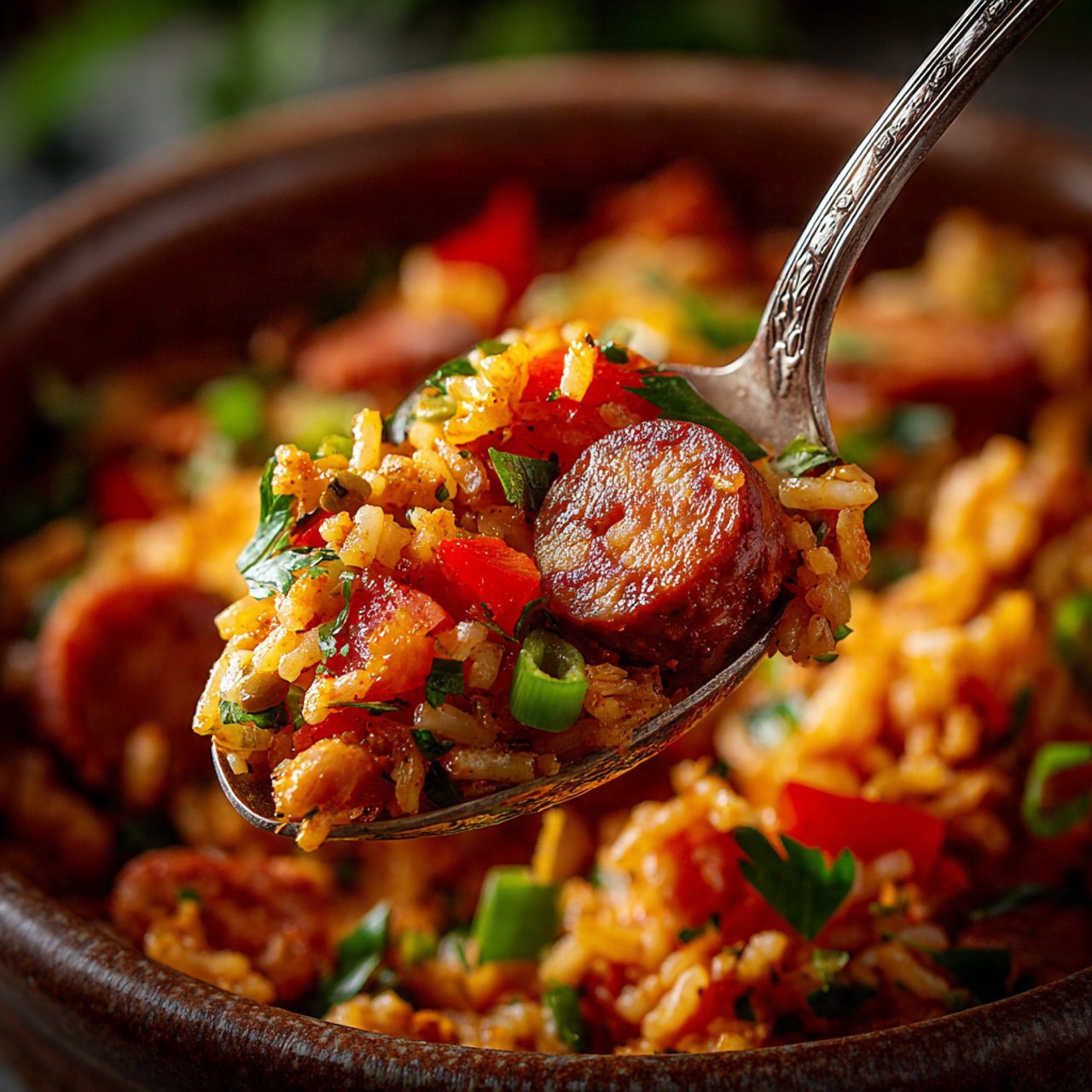
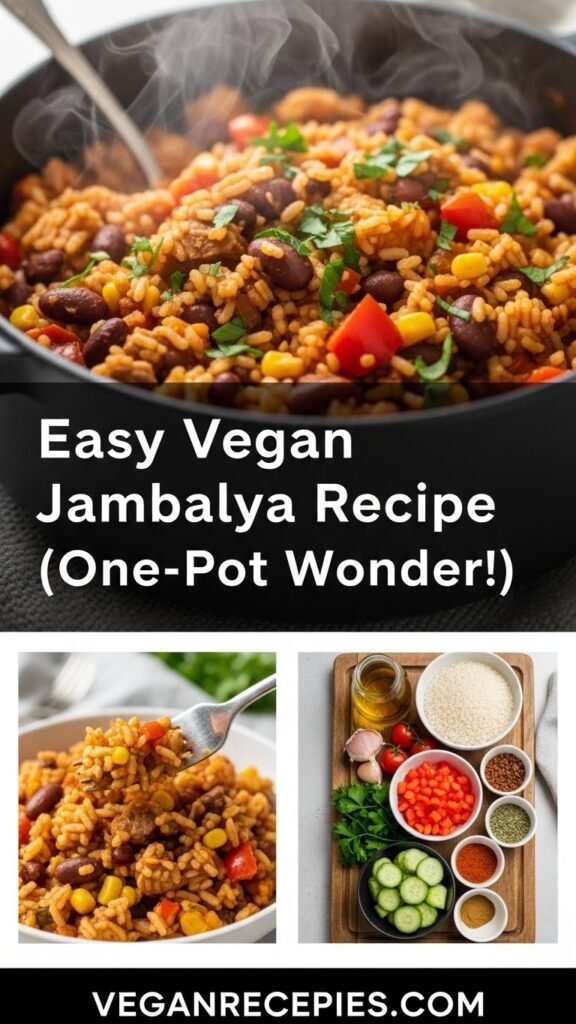
Easy Vegan Jambalaya (One-Pot Wonder!)
Introduction of Recipe
Get ready to fall head over heels for this Vegan Jambalaya – a plant-based twist on the beloved Louisiana classic that’s bursting with bold, smoky flavors and hearty textures! This one-pot wonder brings all the soul-satisfying comfort of traditional jambalaya without any meat or seafood, making it perfect for Meatless Mondays, weeknight dinners, or feeding a crowd at your next gathering.
This vibrant dish combines the holy trinity of Cajun cooking (onions, celery, and bell peppers) with perfectly seasoned rice, protein-packed beans, and a medley of vegetables simmered in a rich, spicy tomato broth. Whether you’re fully vegan, trying to eat more plant-based meals, or simply looking for a delicious budget-friendly dinner, this vegan jambalaya delivers all the warmth and spice you crave. Serve it as a complete meal on its own, or pair it with crusty cornbread and a side salad for a truly spectacular dinner that’ll have everyone asking for seconds!
History / Background
Jambalaya is one of Louisiana’s most iconic dishes, with roots that run deep through the cultural melting pot of New Orleans and the surrounding Bayou region. The dish emerged in the 18th century when Spanish settlers tried to recreate their beloved paella but adapted it using local ingredients they found in Louisiana. The name “jambalaya” itself likely comes from the French word “jambon” (ham), the African word “ya” (rice), and a dash of Creole linguistic flair.
Traditional jambalaya comes in two main styles: Creole (red) jambalaya from New Orleans, which includes tomatoes, and Cajun (brown) jambalaya from the rural areas, which gets its darker color from browned meat and no tomatoes. Both versions typically feature the “holy trinity” of Cajun cooking – onions, celery, and bell peppers – along with rice, meat (usually sausage, chicken, or both), and sometimes seafood like shrimp or crawfish.
Our vegan version honors this rich culinary heritage while making it accessible to plant-based eaters. We’ve kept the essential flavor profile intact – that perfect balance of spicy, smoky, savory, and slightly tangy – by using smoked paprika, plant-based sausage, plenty of vegetables, and protein-rich beans. This adaptation proves that you don’t need meat to capture the soul and spirit of this beloved Louisiana comfort food. It’s a celebration of how traditional recipes can evolve while still respecting their cultural roots and maintaining that authentic taste that makes jambalaya so special.
Why You’ll Love This Recipe
This vegan jambalaya recipe is about to become your new go-to comfort food! It captures all the bold, spicy, smoky flavors of authentic Louisiana cooking while being completely plant-based and incredibly satisfying. The best part? It all comes together in one pot, which means minimal cleanup and maximum flavor as everything simmers together beautifully.
Here’s why this recipe is a keeper:
• One-Pot Magic – Everything cooks in a single pot, making both cooking and cleanup a breeze. No need to juggle multiple pans or create mountains of dishes!
• Budget-Friendly – Made with affordable pantry staples like rice, beans, and vegetables, this hearty meal costs just a few dollars per serving but tastes like a million bucks.
• Meal Prep Champion – Makes fantastic leftovers that actually taste better the next day as the flavors meld together. Perfect for batch cooking and weekly meal prep.
• Crowd-Pleaser – Even non-vegans will devour this! The rich, complex flavors and satisfying texture make it appealing to absolutely everyone at the table.
• Customizable Heat Level – Easily adjust the spice level from mild to fire-breathing hot based on your preference. Control the cayenne and hot sauce to make it family-friendly or extra spicy.
• Protein-Packed – Loaded with beans and optional plant-based sausage, providing approximately 15+ grams of protein per serving to keep you full and satisfied.
• Naturally Gluten-Free – As long as you choose gluten-free sausage or skip it entirely, this dish is naturally gluten-free and perfect for those with dietary restrictions.
• Weeknight-Friendly – Ready in under an hour with minimal active cooking time. Just chop, sauté, simmer, and enjoy!
Ingredient Notes
Let me walk you through the star players in this vegan jambalaya and why each ingredient matters:
Long-Grain White Rice – The foundation of any great jambalaya. Long-grain rice stays fluffy and separate rather than sticky, giving you that perfect texture. Jasmine or basmati work beautifully here. Avoid short-grain or sushi rice as they’re too starchy.
The Holy Trinity – Onions, celery, and bell peppers form the aromatic base of Cajun cooking. These three vegetables create incredible depth of flavor. Use a mix of green and red bell peppers for the best color and taste. No substitutions recommended here – this trio is essential!
Canned Diced Tomatoes – Provides the rich, tangy base for our Creole-style jambalaya. Fire-roasted tomatoes add even more depth. In a pinch, you can use crushed tomatoes or fresh diced tomatoes.
Kidney Beans – Adds hearty protein, fiber, and that satisfying bite. You can substitute with black beans, pinto beans, or white beans based on preference. Both canned (drained and rinsed) or home-cooked work perfectly.
Vegan Sausage – Optional but highly recommended! Brands like Beyond Sausage, Field Roast, or Tofurky add incredible smoky, savory flavor and meaty texture. You can skip it or add extra beans and mushrooms instead.
Vegetable Broth – Choose a flavorful, low-sodium variety for best results. You control the salt content this way. Water works in a pinch, but broth adds essential savory depth.
Cajun/Creole Seasoning – This spice blend is your flavor powerhouse. Look for brands like Tony Chachere’s, Slap Ya Mama, or make your own blend. Check ingredients if vegan (some contain chicken powder).
Smoked Paprika – Brings that essential smoky flavor that mimics traditional smoked sausage. Don’t skip this! Regular paprika won’t give the same depth.
Cayenne Pepper – Controls the heat level. Start with less and add more to taste. You can always add heat but can’t take it away!
Fresh Garlic – Use fresh minced garlic, not jarred or powder, for the brightest, most vibrant flavor.
Bay Leaves – These add subtle herbal, earthy notes that round out the flavor profile. Remove before serving.
Green Onions & Fresh Parsley – For garnish and freshness. They brighten up the rich, hearty dish with a pop of color and fresh flavor.
Equipment Needed
You’ll need these kitchen essentials to make perfect vegan jambalaya:
• Large Dutch Oven or Heavy-Bottomed Pot (5-6 quart capacity) – Essential for even heat distribution and preventing rice from sticking
• Sharp Chef’s Knife – For chopping all those vegetables
• Cutting Board – Preferably large to accommodate all your veggie prep
• Wooden Spoon or Silicone Spatula – For stirring and scraping up flavorful bits from the bottom
• Measuring Cups and Spoons – For accurate ingredient measurements
• Can Opener – For beans and tomatoes
• Liquid Measuring Cup – For broth
• Ladle or Large Spoon – For serving
📋 Recipe Card
Prep Time: 15 minutes
Cook Time: 40 minutes
Total Time: 55 minutes
Yield: 6-8 servings
Category: Main Dish, Dinner
Method: Stovetop, One-Pot
Cuisine: Cajun, Creole, Louisiana
Diet: Vegan, Plant-Based, Dairy-Free, Can be Gluten-Free
Description: This hearty Vegan Jambalaya is a flavorful one-pot Louisiana classic packed with vegetables, beans, rice, and bold Cajun spices. A satisfying plant-based comfort food that’s perfect for weeknight dinners or meal prep!
Ingredients
For the Base:
• 2 tablespoons olive oil or vegetable oil
• 1 large yellow onion, diced (about 1½ cups)
• 3 celery stalks, diced (about 1 cup)
• 2 large bell peppers (1 red, 1 green), diced (about 2 cups)
• 4 cloves garlic, minced
• 8 oz vegan sausage, sliced (optional but recommended)
For the Jambalaya:
• 1½ cups long-grain white rice, uncooked
• 1 can (15 oz) kidney beans, drained and rinsed
• 1 can (14.5 oz) diced tomatoes with juices
• 3 cups vegetable broth (low-sodium preferred)
• 2 tablespoons tomato paste
• 2 tablespoons Cajun or Creole seasoning
• 1 tablespoon smoked paprika
• 1 teaspoon dried thyme
• 1 teaspoon dried oregano
• ½ teaspoon cayenne pepper (adjust to taste)
• 2 bay leaves
• 1 teaspoon salt (adjust to taste)
• ½ teaspoon black pepper
• 1-2 teaspoons hot sauce (optional, plus more for serving)
For Garnish:
• ¼ cup fresh parsley, chopped
• 3-4 green onions, sliced
• Extra hot sauce (optional)
Instructions
Step 1: Sauté the Aromatics
Heat olive oil in a large Dutch oven or heavy-bottomed pot over medium-high heat. Add the diced onion, celery, and bell peppers (the holy trinity!). Sauté for 6-8 minutes, stirring occasionally, until vegetables are softened and onions are translucent. Add the minced garlic and cook for another 1 minute until fragrant.
Step 2: Brown the Sausage (if using)
Push the vegetables to the sides of the pot and add the sliced vegan sausage to the center. Cook for 3-4 minutes, turning occasionally, until the sausage develops some caramelization and browning. This adds incredible depth of flavor!
Step 3: Add the Spices
Stir in the Cajun seasoning, smoked paprika, dried thyme, oregano, cayenne pepper, salt, and black pepper. Cook for about 1 minute, stirring constantly, to toast the spices and wake up their flavors. This step is crucial for deep, complex taste!
Step 4: Add Rice and Tomato Paste
Add the uncooked rice and tomato paste to the pot. Stir well to coat all the rice grains with the oil and spices. Let it cook for 2 minutes, stirring frequently. This helps the rice develop flavor from the inside out.
Step 5: Build the Jambalaya
Pour in the diced tomatoes (with their juices), vegetable broth, drained kidney beans, and bay leaves. Add hot sauce if using. Stir everything together well, making sure to scrape up any browned bits from the bottom of the pot – that’s flavor gold! Bring the mixture to a boil.
Step 6: Simmer
Once boiling, reduce the heat to low, cover the pot with a tight-fitting lid, and simmer for 25-30 minutes. Do NOT lift the lid or stir during this time! The rice needs undisturbed steam to cook perfectly and absorb all those incredible flavors.
Step 7: Rest and Fluff
After 25-30 minutes, turn off the heat but keep the lid on. Let the jambalaya rest for 5-10 minutes. This allows the rice to finish steaming and reach perfect tenderness. Remove the bay leaves, then fluff the rice gently with a fork.
Step 8: Garnish and Serve
Taste and adjust seasonings if needed – add more salt, cayenne, or hot sauce to your preference. Garnish generously with fresh chopped parsley and sliced green onions. Serve hot with extra hot sauce on the side!
Notes
• Rice Selection: Use long-grain white rice for best results. Brown rice requires more liquid and longer cooking time (45-50 minutes and an extra ½ cup broth).
• Heat Level: Start with less cayenne and hot sauce. You can always add more at the end, but you can’t take it back!
• Don’t Peek: Resist the urge to lift the lid while the rice cooks. Each peek releases steam and affects cooking time and texture.
• Liquid Ratio: If your rice isn’t tender after cooking time, add ¼ cup more broth and cook covered for 5 more minutes.
• Sausage Options: Field Roast, Beyond Sausage, or Tofurky Italian sausages work great. Or skip sausage entirely and add extra beans or diced mushrooms.
• Make it Oil-Free: Sauté vegetables in a few tablespoons of vegetable broth instead of oil.
Nutrition Facts Table
Serving Size: 1½ cups (approximately ⅙ of recipe)
Calories: 320
Sugar: 6g
Sodium: 680mg
Fat: 7g
Saturated Fat: 1g
Unsaturated Fat: 5.5g
Trans Fat: 0g
Carbohydrates: 56g
Fiber: 8g
Protein: 12g
Cholesterol: 0mg
Nutrition information is approximate and calculated based on ingredients used. Values will vary based on brands and specific ingredients chosen, especially if using vegan sausage.
Tips & Variations
Make it Extra Spicy:
Double the cayenne pepper, add diced jalapeños with the holy trinity, use spicy Cajun seasoning, and finish with a generous drizzle of your favorite Louisiana hot sauce. Add red pepper flakes too!
Add More Vegetables:
Bulk it up with 1 cup diced okra (authentic Louisiana addition!), 1 cup corn kernels, diced zucchini, or sliced mushrooms. Add heartier vegetables with the holy trinity; add delicate ones like zucchini or corn in the last 10 minutes of cooking.
Protein Boost:
Add 1 cup of cooked lentils, extra beans, or cubed extra-firm tofu. Crumbled tempeh also works beautifully and soaks up the spicy flavors.
Smoky Tempeh Bacon:
Skip the vegan sausage and crumble in smoky tempeh bacon for a different texture and flavor profile.
Use Brown Rice:
Substitute brown rice for white, but increase vegetable broth to 3¾ cups and cooking time to 45-50 minutes.
Make it Creamy:
Stir in ½ cup of coconut cream or cashew cream in the last 5 minutes for an ultra-rich, creamy variation.
Instant Pot Version:
Use the sauté function for steps 1-4, then add remaining ingredients, seal, and pressure cook on high for 8 minutes with 10-minute natural release.
Slow Cooker Version:
Sauté vegetables and spices in a skillet first, then transfer to slow cooker with remaining ingredients. Cook on low for 3-4 hours or until rice is tender.
Pro Chef Tips
Toast Your Spices: Always toast your dried spices for 1-2 minutes in the oil before adding liquid ingredients. This blooms the spices and releases their essential oils, creating exponentially more flavor depth than just stirring them in later.
Layer Your Flavors: Build flavor in stages – first the vegetables, then the sausage, then the spices, then the liquid components. Each layer adds complexity that you simply can’t achieve by dumping everything in at once.
Scrape the Fond: Those browned bits stuck to the bottom of your pot after sautéing? That’s called “fond” and it’s pure flavor magic. When you add your liquid, scrape every bit up with a wooden spoon. This technique is what separates good jambalaya from extraordinary jambalaya.
Maintain Proper Heat: Once you’ve added all ingredients and brought to a boil, reduce to the lowest simmer possible. Too-high heat will cook the rice unevenly – burnt on bottom, crunchy on top. Slow and steady wins the race here.
The Resting Period is Non-Negotiable: After cooking, let the pot rest covered off heat for 5-10 minutes. This allows residual heat to finish cooking the rice perfectly and helps prevent a gummy texture.
Salt at the End: Because vegetable broths vary wildly in sodium content, and Cajun seasoning contains salt, always taste and adjust salt at the very end after everything has cooked together.
Fresh Herbs Transform Everything: While dried herbs build the base flavor, fresh parsley and green onions added at the end provide brightness that cuts through the richness and makes the dish taste restaurant-quality.
Common Mistakes to Avoid
1. Stirring During Cooking: Once you’ve covered the pot to simmer, do NOT stir the rice. Stirring releases starch and disrupts the steaming process, resulting in mushy, gummy rice instead of perfectly fluffy grains.
2. Using Too Much Liquid: More liquid does not mean better rice. Stick to the 2:1 ratio (3 cups broth to 1½ cups rice). Too much liquid creates soupy, mushy jambalaya instead of the proper slightly dry, fluffy texture.
3. Skipping the Sauté Step: Don’t rush by skipping the vegetable sauté. Those 8-10 minutes of browning develop caramelization and deep flavors that form the foundation of great jambalaya. Raw vegetables simply dumped in with rice will taste bland.
4. Using the Wrong Rice: Short-grain, sushi rice, or minute rice will ruin the texture. Long-grain white rice is essential for that authentic separated-grain texture jambalaya is known for.
5. Overcrowding Your Pot: Use a pot large enough (5-6 quarts) to allow ingredients room to cook properly. An overcrowded pot cooks unevenly and steams poorly, resulting in some rice overcooked and some undercooked.
Storage & Meal Prep
Refrigerator Storage:
Store leftover vegan jambalaya in an airtight container in the refrigerator for up to 5 days. In fact, the flavors actually deepen and improve after a day or two as they meld together, making this an excellent make-ahead meal!
Reheating Instructions:
Reheat in a covered pot on the stovetop over medium-low heat with 2-3 tablespoons of vegetable broth or water to prevent drying out. Stir occasionally and heat for 5-7 minutes until warmed through. You can also microwave individual portions in a covered microwave-safe bowl for 2-3 minutes, stirring halfway through. Add a splash of broth before microwaving to maintain moisture.
Meal Prep Tips:
This recipe is absolutely perfect for weekly meal prep! Divide into individual meal prep containers right after cooking. The jambalaya will stay fresh for 5 days. Pack garnishes (green onions and parsley) separately and add fresh when reheating for best presentation and flavor.
Portion Control:
One batch makes 6-8 hearty servings, perfect for meal prepping lunches or dinners for the week. Each serving is approximately 1½ cups.
Make-Ahead & Freezer Notes
Make-Ahead Instructions:
You can prep the vegetables (dice the holy trinity, mince the garlic, slice the sausage) up to 2 days in advance and store in airtight containers in the refrigerator. This makes the actual cooking process lightning-fast on busy weeknights!
Freezing:
Yes! Vegan jambalaya freezes beautifully for up to 3 months. Let the jambalaya cool completely, then portion into freezer-safe containers or heavy-duty freezer bags. Remove as much air as possible to prevent freezer burn. Label with the date and contents.
Thawing:
For best results, thaw overnight in the refrigerator. You can also thaw in the microwave using the defrost setting if you’re in a rush.
Reheating from Frozen:
Reheat on the stovetop over medium-low heat with ¼ cup added vegetable broth, stirring occasionally, for 15-20 minutes until heated through. Cover the pot to help steam the rice back to life. Alternatively, microwave frozen portions in 2-minute intervals, stirring between each, until hot throughout.
Pro Freezing Tip:
The rice texture might be slightly softer after freezing and reheating (it absorbs more moisture), but the flavor remains incredible. If you plan to freeze, consider slightly undercooking the rice by 3-5 minutes initially – it’ll finish cooking during reheating.
Serving Suggestions
This hearty vegan jambalaya is delicious enough to stand alone as a complete meal, but here are some fantastic pairings to round out your Louisiana feast:
Classic Southern Sides:
• Cornbread – Sweet, buttery (use vegan butter!) cornbread is the absolute classic pairing. Perfect for soaking up all those flavorful juices.
• Collard Greens – Slow-cooked collard greens seasoned with smoked paprika make an authentic soul food pairing.
• Coleslaw – A tangy, creamy coleslaw (use vegan mayo) provides cool, crunchy contrast to the warm, spicy jambalaya.
Fresh & Light Options:
• Simple Green Salad – A crisp salad with vinaigrette cuts through the richness beautifully.
• Cucumber Tomato Salad – Light, refreshing, and requires zero cooking.
• Grilled or Steamed Asparagus – Adds an elegant touch and fresh vegetable element.
More Substantial Pairings:
• Garlic Bread – Crusty French bread rubbed with garlic and herbs (vegan butter, of course).
• Black-Eyed Peas – Extra protein and another traditional Southern side.
• Fried Green Tomatoes – If you want to go full Southern comfort food mode!
Beverages:
• Sweet Iced Tea – The classic Southern beverage
• Lemonade – Refreshing and cuts through the spice
• Light Beer – Something crisp like a lager or pilsner
• Sparkling Water with Lime – For a refreshing, palate-cleansing option
Toppings Bar:
Set out bowls of hot sauce varieties, extra sliced green onions, fresh cilantro, lime wedges, and vegan sour cream for everyone to customize their bowl!
FAQs Section
Q: Can I make this gluten-free?
A: Absolutely! This recipe is naturally gluten-free as long as you use gluten-free vegan sausage or omit the sausage entirely. Always check your Cajun seasoning blend and vegetable broth labels to ensure they’re certified gluten-free, as some brands may contain gluten-containing additives.
Q: My rice came out mushy. What went wrong?
A: Mushy rice usually happens from one of three issues: (1) Using too much liquid – stick to the exact 3 cups broth measurement, (2) Stirring the rice while it cooks, which releases starch, or (3) Cooking on too high heat. Next time, make sure your simmer is very low, keep the lid on without peeking, and don’t stir!
Q: Can I use brown rice instead of white rice?
A: Yes, but you’ll need to adjust the recipe. Brown rice requires more liquid and longer cooking time. Use 3¾ cups vegetable broth (instead of 3 cups) and simmer for 45-50 minutes (instead of 25-30). The texture and flavor will be slightly different but still delicious!
Q: Is vegan sausage necessary?
A: No, it’s optional! While vegan sausage adds wonderful smoky, savory flavor and meaty texture, you can absolutely skip it. For similar heartiness, add an extra can of beans, 1 cup of sliced mushrooms, or crumbled tempeh. The smoked paprika provides that essential smoky flavor even without sausage.
Q: How spicy is this dish?
A: As written, this recipe has a moderate, medium spice level – flavorful with noticeable heat but not overwhelming. The spice comes from cayenne pepper, hot sauce, and Cajun seasoning. You can easily customize the heat by reducing cayenne to ¼ teaspoon for mild, or increasing to 1 teaspoon for extra spicy. Always start conservative and add more hot sauce at the end!
Q: What’s the difference between Cajun and Creole jambalaya?
A: Great question! Creole jambalaya (also called “red jambalaya”) includes tomatoes and comes from New Orleans. Cajun jambalaya (also called “brown jambalaya”) contains no tomatoes and gets its darker color from browning meat. This recipe is Creole-style since it includes tomatoes. For Cajun-style, simply omit the tomatoes and tomato paste, but add an extra ½ cup vegetable broth.
Q: Can I make this in an Instant Pot?
A: Yes! Use the sauté function to cook steps 1-4 (vegetables, sausage, and spices). Then add all remaining ingredients, seal the lid, and pressure cook on high for 8 minutes. Allow 10 minutes natural pressure release, then quick release any remaining pressure. Fluff and serve!
Q: The bottom of my pot is burning. Help!
A: This usually means your heat is too high. Once you’ve added liquid and brought to a boil, reduce to the LOWEST simmer setting on your stove. Your pot should barely bubble. Also ensure you’re using a heavy-bottomed pot or Dutch oven, which distributes heat more evenly than thin pots. If you notice sticking, don’t stir! Instead, add ¼ cup more broth around the edges and reduce heat further.
Conclusion
There you have it – your complete guide to making the most incredible, flavorful, soul-warming Vegan Jambalaya! This one-pot wonder proves that plant-based cooking can be just as hearty, satisfying, and downright delicious as traditional versions. The combination of perfectly seasoned rice, vegetables, beans, and aromatic spices creates a dish that’s bursting with bold Louisiana flavor in every single bite.
Whether you’re serving this for a cozy weeknight family dinner, meal prepping for the week ahead, or impressing guests at your next gathering, this vegan jambalaya delivers every time. It’s budget-friendly, customizable to your taste preferences, and honestly tastes even better as leftovers (if it even makes it that far!).
I’d absolutely love to hear how your vegan jambalaya turns out! Did you make it extra spicy? Add some unique vegetables? Try a fun variation? Drop a comment below and let me know! And if you loved this recipe, please share it with your friends and save it to your Pinterest boards so you can find it again and again. Your shares help support this blog and allow me to keep creating delicious plant-based recipes for you to enjoy!
Now get cooking, and laissez les bons temps rouler (let the good times roll)! 🌶️