Vegan Potato Salad: Creamy, No-Mayo, and Perfect for Summer
Introduction
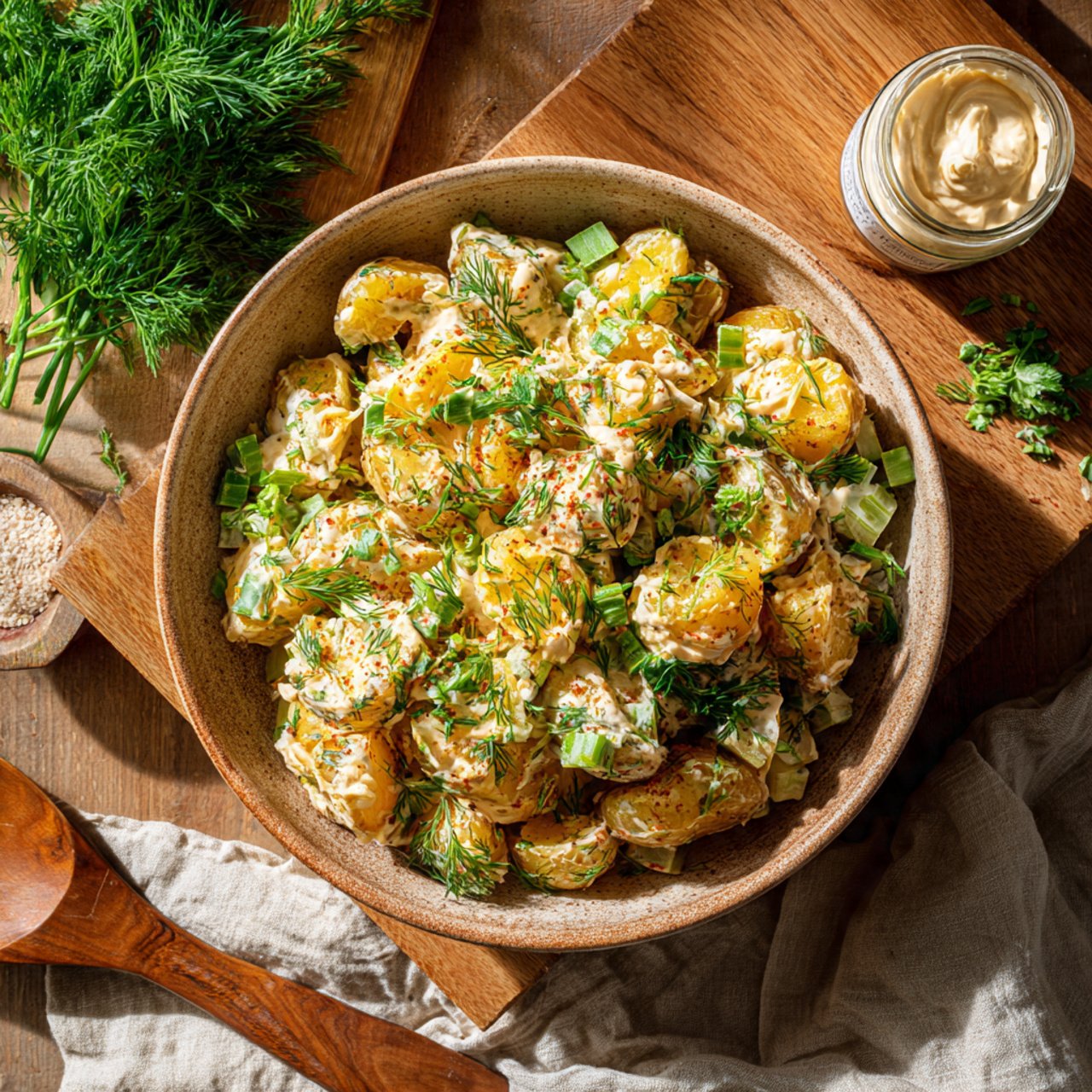
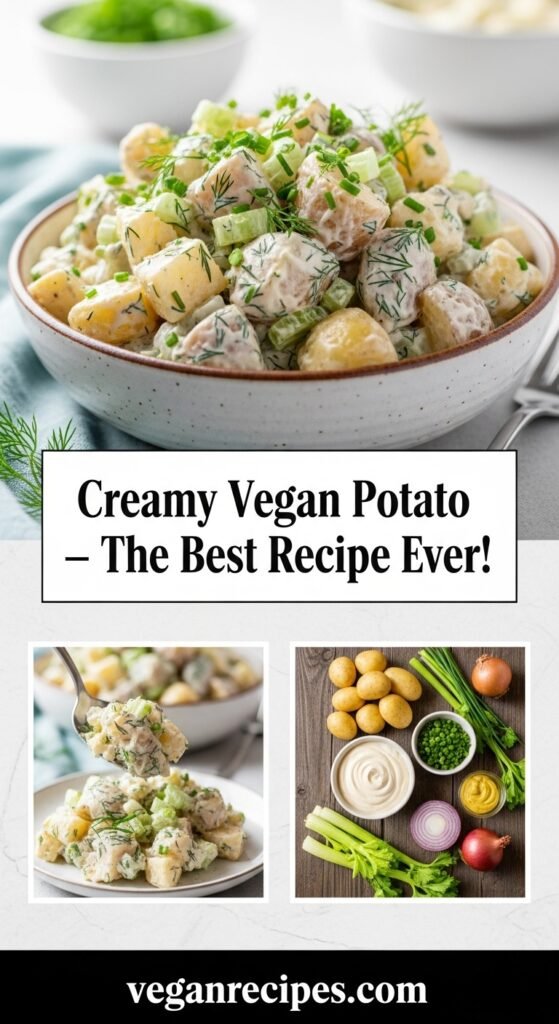
Get ready to bring the most delicious, creamy vegan potato salad to every summer cookout, family gathering, and potluck from now on. This plant-based version of the beloved American classic is so rich, so perfectly seasoned, and so satisfyingly creamy that no one will ever guess it’s completely dairy-free and egg-free. Whether you’re vegan, cooking for someone with dietary restrictions, or simply looking to lighten up a traditional favorite, this recipe proves that classic comfort food flavors translate beautifully to plant-based eating.
What makes this vegan potato salad truly exceptional is its unwavering commitment to delivering that authentic, nostalgic taste we all crave. The dressing is luxuriously creamy with the perfect balance of tangy, sweet, and savory notes. Tender chunks of perfectly cooked potatoes are folded together with crunchy celery, sharp red onion, and bright fresh herbs, creating a symphony of textures in every bite. A touch of Dijon mustard adds sophisticated depth, while a hint of pickle brine brings that unmistakable deli-style flavor that makes potato salad so irresistible.
This easy vegan potato salad is destined to become your go-to recipe for countless occasions. It’s the perfect side dish for summer barbecues, Fourth of July celebrations, Memorial Day cookouts, and Labor Day picnics. It shines at potlucks where you need to feed a crowd without worrying about dietary restrictions. It’s equally at home alongside veggie burgers on a Tuesday night as it is at an elegant garden party. Make it once, and you’ll understand why this recipe earns rave reviews from vegans and non-vegans alike.
History & Background
Potato salad holds a cherished place in culinary traditions around the world, with roots stretching back centuries across multiple continents. The concept of combining cooked potatoes with a flavorful dressing likely originated in Germany during the 16th century, shortly after potatoes were introduced to Europe from South America. German potato salad, typically served warm with a tangy vinegar and bacon dressing, became a beloved staple that German immigrants later brought to America.
The creamy, mayonnaise-based potato salad that Americans know and love today evolved primarily in the United States during the late 19th and early 20th centuries. As commercial mayonnaise became widely available in the early 1900s, home cooks began incorporating it into potato salad recipes, creating the rich, creamy style that would become synonymous with American summer gatherings. By the mid-20th century, creamy potato salad had cemented its status as an essential component of backyard barbecues, church picnics, and family reunions across the nation.
Different regions of the United States developed their own signature variations. Southern potato salad often includes sweet pickle relish and hard-boiled eggs, with a notably sweeter profile. Midwestern versions tend to be creamier and more straightforward. New York deli-style potato salad features a tangier dressing with plenty of celery and onion. Each variation reflects local tastes and available ingredients, demonstrating how this humble dish adapts to regional preferences while maintaining its essential character as a creamy, comforting side dish.
The emergence of vegan potato salad represents the latest chapter in this evolving culinary tradition. As plant-based eating has grown exponentially, creative cooks have developed remarkably authentic dairy-free versions using vegan mayonnaise and plant-based ingredients. Today’s vegan potato salads can be virtually indistinguishable from their traditional counterparts, honoring the classic American dish while making it accessible to those following plant-based diets, managing egg allergies, or simply seeking lighter alternatives.
Why You’ll Love This Recipe
This creamy vegan potato salad delivers everything you want in a classic potato salad without any compromise on flavor, texture, or satisfaction. It’s the recipe you’ll turn to again and again because it simply works.
The combination of tender potatoes, creamy dressing, and crunchy vegetables creates the perfect side dish that complements virtually any main course. Every forkful offers that nostalgic, comforting taste of summer gatherings and family celebrations, proving that plant-based versions of classic recipes can be just as delicious as the originals.
Here’s why this dairy-free potato salad will become your new favorite:
- Impossibly creamy texture – Vegan mayo creates the same rich, luscious consistency as traditional recipes
- Perfectly balanced flavor – Tangy, savory, and slightly sweet notes hit all the right spots
- Allergy-friendly – Free from dairy, eggs, and easily adaptable for other allergens
- Crowd-pleasing appeal – Vegans and non-vegans alike devour it without knowing the difference
- Make-ahead friendly – Actually tastes better after resting in the refrigerator overnight
- Budget-friendly ingredients – Simple pantry staples keep costs low while flavor stays high
- Feeds a crowd – Perfect quantity for potlucks, barbecues, and large gatherings
- Endlessly customizable – Easy to adapt with your favorite add-ins and flavor variations
- No cooking required (almost) – Just boil potatoes and stir everything together
- Summer entertaining essential – The side dish everyone expects and everyone loves
Ingredient Notes
Understanding your ingredients ensures you achieve the most delicious, authentic-tasting vegan potato salad possible. Here’s your complete guide to each component.
Potatoes: The foundation of any great potato salad is choosing the right potato variety. Yukon Gold potatoes are my top recommendation because they have a naturally buttery flavor and creamy texture that holds up beautifully without becoming mushy. They also have thin skins that don’t require peeling. Red potatoes are another excellent choice with their waxy texture and attractive color. Avoid russet potatoes, which are too starchy and tend to fall apart into a gluey mess when dressed.
Vegan Mayonnaise: This is the key ingredient that makes creamy potato salad possible without eggs or dairy. High-quality vegan mayo has come incredibly far in recent years, with brands like Vegenaise, Follow Your Heart, Sir Kensington’s Vegan Mayo, and Hellmann’s Vegan offering excellent results. Choose one you enjoy eating on sandwiches, as its flavor will shine through in the finished salad. For best results, use full-fat vegan mayo rather than light versions.
Dijon Mustard: This adds sophisticated depth, subtle heat, and helps emulsify the dressing for a smoother consistency. Dijon’s sharper, more complex flavor is preferable to yellow mustard, though you can use a combination of both for a more traditional taste. Don’t skip this ingredient—it’s essential for authentic potato salad flavor.
Apple Cider Vinegar: The acidity from apple cider vinegar brightens the entire dish and prevents the salad from tasting flat or overly heavy. Its slight fruitiness complements the other flavors beautifully. White wine vinegar or fresh lemon juice can substitute in a pinch.
Celery: Crunchy celery provides essential texture contrast against the soft potatoes and creamy dressing. It also adds a fresh, clean flavor that lifts the entire salad. Dice it small enough to distribute evenly but large enough to provide satisfying crunch.
Red Onion: Sharp, slightly sweet red onion adds flavor complexity and beautiful color. The key is cutting it very fine so the onion flavor distributes throughout without overwhelming any single bite. Soaking diced onion in cold water for 10 minutes mellows its bite if you prefer a gentler flavor.
Fresh Dill: This herb is traditional in many potato salad recipes and adds a bright, slightly anise-like flavor that’s incredibly refreshing. Fresh dill is vastly superior to dried for this application. If unavailable, fresh parsley or chives make good alternatives.
Pickle Relish or Diced Pickles: This ingredient adds the tangy, briny element that makes deli-style potato salad so distinctive. Use sweet pickle relish for a more traditional Southern-style salad, or dill pickle relish/diced dill pickles for a tangier profile. Some people also love adding a splash of pickle brine for extra tang.
Celery Salt: This often-overlooked ingredient adds an incredible depth of savory, slightly herbal flavor that makes potato salad taste “complete.” It’s available in most grocery stores’ spice sections and makes a noticeable difference.
Smoked Paprika (Optional): A light dusting of smoked paprika on top adds beautiful color and a subtle smoky note that some people love. It’s entirely optional but makes for a gorgeous presentation.
Equipment Needed
This vegan potato salad requires only basic kitchen equipment that you likely already have on hand.
- Large pot (for boiling potatoes)
- Colander (for draining)
- Large mixing bowl
- Medium bowl (for mixing dressing)
- Sharp knife and cutting board
- Measuring cups and spoons
- Whisk or fork (for mixing dressing)
- Rubber spatula or large spoon (for folding)
- Vegetable peeler (optional, if peeling potatoes)
- Serving bowl or container with lid for storage
📋 Recipe Card
Prep Time: 20 minutes
Cook Time: 15-20 minutes
Cooling Time: 30 minutes (minimum)
Chilling Time: 2 hours (minimum, preferably overnight)
Total Time: 3 hours (including chilling)
Yield: 10-12 servings
Category: Side Dish, Salad
Method: Stovetop, No-Bake
Cuisine: American
Diet: Vegan, Dairy-Free, Egg-Free
Description: This creamy vegan potato salad features tender Yukon Gold potatoes folded in a rich, tangy dressing with crunchy celery, sharp red onion, and fresh dill. Completely dairy-free and egg-free, yet every bit as delicious as the classic recipe. Perfect for summer cookouts, potlucks, and picnics.
Ingredients
For the Potatoes:
- 3 pounds Yukon Gold potatoes (about 8-10 medium), cut into ¾-inch cubes
- 1 tablespoon salt (for boiling water)
- 2 tablespoons apple cider vinegar (for seasoning warm potatoes)
For the Creamy Dressing:
- 1 cup vegan mayonnaise
- 2 tablespoons Dijon mustard
- 1 tablespoon apple cider vinegar
- 1 tablespoon pickle brine (from pickle jar)
- 1 teaspoon celery salt
- ½ teaspoon garlic powder
- ½ teaspoon onion powder
- ½ teaspoon salt (adjust to taste)
- ¼ teaspoon black pepper
- Pinch of sugar or maple syrup (optional, for balance)
For the Add-Ins:
- 3 stalks celery, finely diced (about 1 cup)
- ½ medium red onion, finely diced (about ½ cup)
- ¼ cup sweet pickle relish OR diced dill pickles
- 3 tablespoons fresh dill, chopped
- 2 tablespoons fresh chives, finely sliced (optional)
For Garnish:
- Fresh dill sprigs
- Smoked paprika (light dusting)
- Freshly cracked black pepper
Instructions
Step 1: Prepare the Potatoes
Wash the potatoes thoroughly. You can leave the skins on for rustic texture and added nutrition, or peel them if you prefer a smoother salad. Cut the potatoes into uniform ¾-inch cubes. Consistent sizing ensures even cooking—this is important for perfect texture.
Step 2: Cook the Potatoes
Place the cubed potatoes in a large pot and cover with cold water by about 2 inches. Add 1 tablespoon of salt to the water. Starting with cold water and heating gradually helps the potatoes cook evenly from the outside in. Bring to a boil over high heat, then reduce to a steady simmer. Cook for 12-15 minutes, or until the potatoes are fork-tender but not falling apart. They should offer slight resistance when pierced but not be crunchy.
Step 3: Drain and Season While Warm
Drain the potatoes thoroughly in a colander and transfer to a large mixing bowl. While the potatoes are still warm, drizzle them with 2 tablespoons of apple cider vinegar and gently toss. The warm potatoes will absorb the vinegar, seasoning them from the inside out and adding depth of flavor that you can’t achieve by only dressing cold potatoes. Let the potatoes cool for at least 30 minutes, tossing occasionally to release steam.
Step 4: Make the Creamy Dressing
While the potatoes cool, prepare the dressing. In a medium bowl, whisk together the vegan mayonnaise, Dijon mustard, apple cider vinegar, pickle brine, celery salt, garlic powder, onion powder, salt, and pepper. Taste and adjust seasoning as desired. Add a pinch of sugar or maple syrup if you prefer a slightly sweeter dressing. The dressing should taste well-balanced and flavorful on its own—slightly more seasoned than you might expect, as the potatoes will absorb some of the flavor.
Step 5: Prepare the Add-Ins
Finely dice the celery and red onion. If you find raw red onion too sharp, place the diced onion in a small bowl of cold water for 10 minutes, then drain thoroughly—this mellows the bite while keeping the flavor. Chop the fresh dill and slice the chives if using.
Step 6: Combine Everything
Once the potatoes have cooled to room temperature (or are just slightly warm), add the diced celery, red onion, pickle relish, fresh dill, and chives to the bowl. Pour the dressing over everything. Using a rubber spatula, gently fold the ingredients together until the potatoes are evenly coated with dressing and the add-ins are distributed throughout. Be gentle to avoid smashing the potatoes—you want distinct, creamy-coated cubes, not mashed potatoes.
Step 7: Chill and Let Flavors Meld
Cover the bowl tightly with plastic wrap or transfer to an airtight container. Refrigerate for at least 2 hours, or preferably overnight. This chilling time is essential—it allows the flavors to meld and develop, the dressing to thicken slightly, and the potatoes to absorb the seasonings. The salad will taste significantly better after resting.
Step 8: Final Adjustments and Serve
Before serving, give the potato salad a gentle stir and taste for seasoning. The salad may need an additional pinch of salt or splash of vinegar after chilling. If the salad seems too thick, stir in a tablespoon of pickle brine or plant milk to loosen it slightly. Transfer to a serving bowl, garnish with fresh dill sprigs, a light dusting of smoked paprika, and freshly cracked black pepper. Serve chilled.
Notes
- For best results, season the warm potatoes with vinegar before adding the dressing. This technique is a game-changer for flavorful potato salad.
- The salad will thicken as it chills. This is normal and desirable—just stir before serving and add a splash of liquid if needed.
- Taste and adjust seasoning after chilling, as cold temperatures can dull flavors slightly.
- This salad tastes even better the second day, making it perfect for making ahead.
- Store in the refrigerator and consume within 5 days for best quality and food safety.
- Keep chilled when serving outdoors; don’t leave at room temperature for more than 2 hours (1 hour if above 90°F).
Nutrition Facts Table
Per serving (approximately ¾ cup, based on 12 servings)
| Nutrient | Amount |
|---|---|
| Serving Size | ¾ cup (approximately 150g) |
| Calories | 175 kcal |
| Total Fat | 9g |
| Saturated Fat | 1g |
| Unsaturated Fat | 7g |
| Trans Fat | 0g |
| Cholesterol | 0mg |
| Sodium | 390mg |
| Total Carbohydrates | 22g |
| Dietary Fiber | 2g |
| Total Sugars | 2g |
| Protein | 2g |
Note: Nutrition information is calculated using standard recipe databases and may vary based on specific ingredients used, particularly the brand of vegan mayonnaise, and portion sizes.
Tips & Variations
This classic vegan potato salad serves as a wonderful base recipe that you can customize in countless ways. Here are delicious variations to suit different tastes and occasions.
German-Style Vegan Potato Salad: Skip the mayonnaise entirely and dress warm potatoes with a mixture of olive oil, apple cider vinegar, whole grain mustard, and vegetable broth. Add diced red onion, fresh parsley, and vegan bacon bits. Serve warm or at room temperature.
Loaded Baked Potato Salad: Add vegan bacon bits, vegan sour cream (mixed with the mayo), shredded vegan cheddar cheese, and sliced green onions. Top with extra cheese and bacon for serving. This indulgent version is a crowd favorite.
Mediterranean Potato Salad: Replace the traditional dressing with a mixture of olive oil, lemon juice, Dijon mustard, and minced garlic. Add kalamata olives, sun-dried tomatoes, capers, fresh parsley, and fresh oregano. Finish with a sprinkle of za’atar.
Herbed Garden Potato Salad: Increase fresh herbs dramatically—add generous amounts of fresh parsley, chives, tarragon, and basil along with the dill. The result is a bright, fresh-tasting salad perfect for spring and summer.
Curry Potato Salad: Add 1-2 teaspoons of curry powder to the dressing along with a handful of golden raisins and toasted cashews or almonds. This Indian-inspired variation is unexpectedly delicious.
Southern-Style Potato Salad: Use sweet pickle relish instead of dill pickles, add a pinch more sugar to the dressing, and include diced pimentos for color. Some versions also include a small amount of yellow mustard for tang.
Dill Pickle Lovers’ Version: Increase the pickles to ½ cup diced dill pickles, add extra pickle brine to the dressing, and include chopped fresh dill generously throughout. A pickle lover’s dream.
Spicy Jalapeño Potato Salad: Add 2-3 tablespoons of pickled jalapeños (diced) and a pinch of cayenne pepper to the dressing. Include fresh cilantro instead of dill for a Southwestern twist.
Pro Chef Tips
Elevate your vegan potato salad from good to absolutely outstanding with these professional techniques that make all the difference.
Start with cold water. Always begin cooking potatoes in cold, salted water rather than dropping them into boiling water. This allows the potatoes to heat gradually and cook evenly from the outside in. Potatoes added to boiling water often end up with overcooked, mushy exteriors and undercooked centers.
Salt your cooking water generously. The water should taste noticeably salty, like the sea. This is your primary opportunity to season the potatoes from within. Under-salted cooking water results in bland potatoes that no amount of dressing can fully rescue.
Season warm potatoes with vinegar. This is perhaps the most important technique in the entire recipe. Warm potatoes are porous and will absorb the vinegar, seasoning them from the inside out. This creates depth of flavor that simply can’t be achieved by dressing cold potatoes alone.
Let the potatoes cool before adding the dressing. If you add creamy dressing to hot potatoes, the heat will thin out the mayo and create a greasy, broken texture. Allow potatoes to cool to room temperature (or slightly warm) before folding in the dressing for the best consistency.
Don’t overdress. It’s tempting to use all the dressing, but start with about three-quarters and add more as needed. You want each potato piece lightly coated, not swimming in dressing. Remember that the salad will absorb more dressing as it chills.
Taste and adjust after chilling. Cold temperatures mute flavors, so your perfectly seasoned room-temperature salad may taste slightly flat when chilled. Always taste and add a pinch of salt or splash of vinegar before serving.
Use a gentle folding motion. Aggressive stirring will break down the potato cubes into mush. Use a rubber spatula and gentle folding motions to coat the potatoes while preserving their shape.
Common Mistakes to Avoid
Even this simple recipe can go wrong without proper technique. Here’s how to ensure your vegan potato salad turns out perfectly every time.
Using the wrong potato variety: Russet potatoes are too starchy and will break down into a gluey, pasty texture. Stick with waxy varieties like Yukon Gold, red potatoes, or fingerlings that hold their shape beautifully when cooked and dressed.
Overcooking the potatoes: Mushy, falling-apart potatoes make for a sad, textureless salad. Start checking for doneness at 10 minutes—potatoes are ready when they’re just fork-tender with slight resistance. They’ll continue softening slightly as they cool.
Cutting potatoes unevenly: Different-sized pieces cook at different rates, leaving you with some undercooked and some overcooked. Take the time to cut uniform ¾-inch cubes for consistent results.
Adding dressing to hot potatoes: This causes the mayo to break and become greasy, creating an unpleasant texture. Wait until potatoes are room temperature or just slightly warm.
Not chilling long enough: Potato salad that’s served immediately after mixing tastes sharp and disjointed. The minimum 2-hour chill time (overnight is better) allows flavors to marry and mellow into a cohesive, delicious whole.
Underseasoning: Because cold temperatures dull flavors, potato salad needs assertive seasoning. Don’t be shy with salt, vinegar, and mustard. Taste the dressing before adding it—it should taste slightly more seasoned than you’d expect.
Using low-quality vegan mayo: Not all vegan mayos are created equal. A poor-quality vegan mayo will make your entire salad taste artificial. Invest in a brand you genuinely enjoy eating.
Storage & Meal Prep
Vegan potato salad is an excellent make-ahead dish that actually improves with time, making it ideal for meal prep and advance party planning.
Refrigerator Storage: Store potato salad in an airtight container in the refrigerator for up to 5 days. The salad will thicken as it sits, which is completely normal. Simply stir gently before serving and add a splash of pickle brine or plant milk if needed to restore creaminess.
Make-Ahead Advantages: This potato salad genuinely tastes better after 12-24 hours of chilling. The flavors meld, the dressing melds with the potatoes, and everything comes together more harmoniously. Make it the day before your event for best results.
Meal Prep Portions: For weekly meal prep, portion the salad into individual containers for easy grab-and-go lunches. It pairs wonderfully with veggie burgers, sandwiches, or as part of a larger grain bowl.
Transportation Tips: When transporting to potlucks or outdoor events, keep the salad in a cooler with ice packs until serving time. Avoid leaving mayo-based salads at room temperature for extended periods for food safety.
Refreshing Leftovers: If your leftover potato salad seems dry or the flavors have dulled, revive it by stirring in 1-2 tablespoons of fresh vegan mayo, a splash of vinegar, and a pinch of salt. Fresh dill folded in at serving also brightens day-old salad.
Make-Ahead & Freezer Notes
Proper planning makes entertaining effortless, and this vegan potato salad is designed for advance preparation.
Make-Ahead Timeline: Potato salad can be made up to 3 days in advance and stored in the refrigerator. In fact, making it 1-2 days ahead is recommended, as the flavors develop and improve significantly with time. Simply give it a gentle stir and taste for seasoning before serving.
Day-Before Preparation: For best results, make the complete potato salad the day before your event. This timing allows flavors to meld overnight while ensuring the salad is fresh and delicious for serving.
Component Prep: If you prefer to assemble closer to serving time, you can prep components in advance. Cook and cool potatoes (dressed with vinegar) up to 2 days ahead. Prepare the dressing and store separately. Dice vegetables and store in airtight containers. Combine everything 4-24 hours before serving.
Freezing Recommendations: Unfortunately, potato salad does not freeze well. The mayonnaise-based dressing separates and becomes watery when thawed, and the potatoes develop an unpleasant grainy texture. This is one dish that’s best made fresh and enjoyed within the refrigerator storage window.
Large Batch Considerations: This recipe doubles or triples easily for large gatherings. When making bigger batches, you may need slightly less dressing proportionally—start with less and add more as needed, as it’s easier to add than to try to correct an overdressed salad.
Serving Suggestions
This creamy vegan potato salad is incredibly versatile and complements a wide range of main dishes and occasions.
Classic BBQ Spread: Serve alongside grilled veggie burgers, hot dogs, or plant-based sausages for the quintessential American cookout experience. Add coleslaw, baked beans, and corn on the cob for a complete spread.
Picnic Perfect: Pack potato salad in a cooler for outdoor picnics alongside sandwiches, fresh fruit, and crunchy vegetables with hummus. Its portability and crowd appeal make it ideal for outdoor dining.
Summer Entertaining: Include as part of a larger buffet spread for graduation parties, Fourth of July celebrations, Memorial Day gatherings, or Labor Day cookouts. It feeds a crowd economically and everyone loves it.
Weeknight Dinner Side: Pair with simple grilled or pan-seared protein like tofu steaks, tempeh, or veggie patties for an easy weeknight meal. Add a green salad for balance.
Brunch Addition: Surprisingly delicious as part of a brunch spread alongside tofu scramble, fresh fruit, and pastries. The savory, creamy salad provides satisfying contrast to sweeter brunch items.
Deli-Style Lunch: Serve a scoop of potato salad alongside a big veggie sandwich, pickles, and chips for a satisfying deli-style lunch experience at home.
Complementary Sides: Potato salad pairs beautifully with classic American sides like coleslaw (vinegar-based for contrast), baked beans, green salads, grilled corn, watermelon, and fresh fruit salads.
Beverage Pairings: Ice-cold lemonade, sweet tea, light beer, or crisp white wine like Sauvignon Blanc complement the creamy, tangy flavors perfectly.
FAQs Section
What’s the best potato variety for vegan potato salad?
Yukon Gold potatoes are the ideal choice because they have a naturally buttery flavor, creamy texture, and hold their shape beautifully when cooked. Red potatoes are another excellent option with their waxy texture. Avoid russet or Idaho potatoes, which are too starchy and will break down into a gluey, unappetizing texture.
Can I make this potato salad ahead of time?
Absolutely—in fact, it’s recommended! Potato salad tastes significantly better after resting in the refrigerator for at least 2 hours, ideally overnight. The flavors meld and develop beautifully. Make it 1-2 days before your event for best results.
Why does my potato salad taste bland?
The most common causes are underseasoning the cooking water, skipping the vinegar step on warm potatoes, or not adjusting seasoning after chilling. Remember that cold temperatures mute flavors, so your salad needs assertive seasoning. Always taste and adjust with salt and vinegar before serving.
How do I prevent my potatoes from getting mushy?
Start checking for doneness at 10 minutes of simmering. Potatoes should be fork-tender but still have slight resistance—they’ll continue softening as they cool. Also, use waxy potato varieties (Yukon Gold, red potatoes) rather than starchy russets, and use gentle folding motions when mixing rather than vigorous stirring.
Which vegan mayonnaise brand works best?
Several brands produce excellent vegan mayonnaise. Popular choices include Vegenaise (by Follow Your Heart), Sir Kensington’s Vegan Mayo, Hellmann’s Vegan, Just Mayo, and Primal Kitchen Vegan Mayo. Choose one you enjoy eating on sandwiches, as its flavor will be prominent in the salad.
Can I use homemade vegan mayo?
Yes! Homemade vegan mayo made with aquafaba (chickpea brine), neutral oil, and seasonings works beautifully. Just ensure it’s thick and well-emulsified for proper texture. Homemade versions may have a shorter shelf life, so plan accordingly.
How do I make this potato salad less tangy?
Reduce the vinegar in the dressing by half and omit the pickle brine. You can also use sweet pickle relish instead of dill pickles and add a pinch more sugar to the dressing for a milder, sweeter profile.
Is it safe to leave potato salad out at a party?
Mayo-based salads should not sit at room temperature for more than 2 hours (1 hour if the temperature is above 90°F). For outdoor events, keep the salad in a cooler or on ice until serving, and don’t leave it out on the buffet table for extended periods.
Conclusion
This creamy vegan potato salad proves that plant-based cooking doesn’t require any sacrifice when it comes to beloved classic recipes. With its perfectly tender potatoes, rich and tangy dressing, and satisfying crunch from celery and onion, this version stands proudly alongside any traditional potato salad. It’s the kind of dish that brings people together, sparks happy memories of summer gatherings, and earns compliments from everyone at the table—whether they’re vegan or not.
What I love most about this recipe is its reliability and crowd-pleasing nature. It works beautifully for intimate family dinners and scales up effortlessly for large gatherings. It welcomes customization based on your preferences and what you have on hand. And it actually improves with time, making advance preparation not just possible but preferable. For anyone who’s ever worried about bringing a vegan dish to a mixed-crowd event, this potato salad will put those concerns to rest permanently.
I hope you’ll make this vegan potato salad part of your regular summer rotation and beyond. It deserves a place at every cookout, potluck, and family gathering in your future. The rave reviews and empty serving bowls will speak for themselves.
If you try this recipe, I’d absolutely love to hear how it turned out! Leave a comment below sharing your experience, any variations you tried, or questions you might have. And if this salad earns a place at your table, please share it on Pinterest so other home cooks can discover just how delicious vegan potato salad can be. Happy cooking, friends!