Hearty Vegan Minestrone Soup: A Cozy Italian Classic Ready in One Pot

Introduction
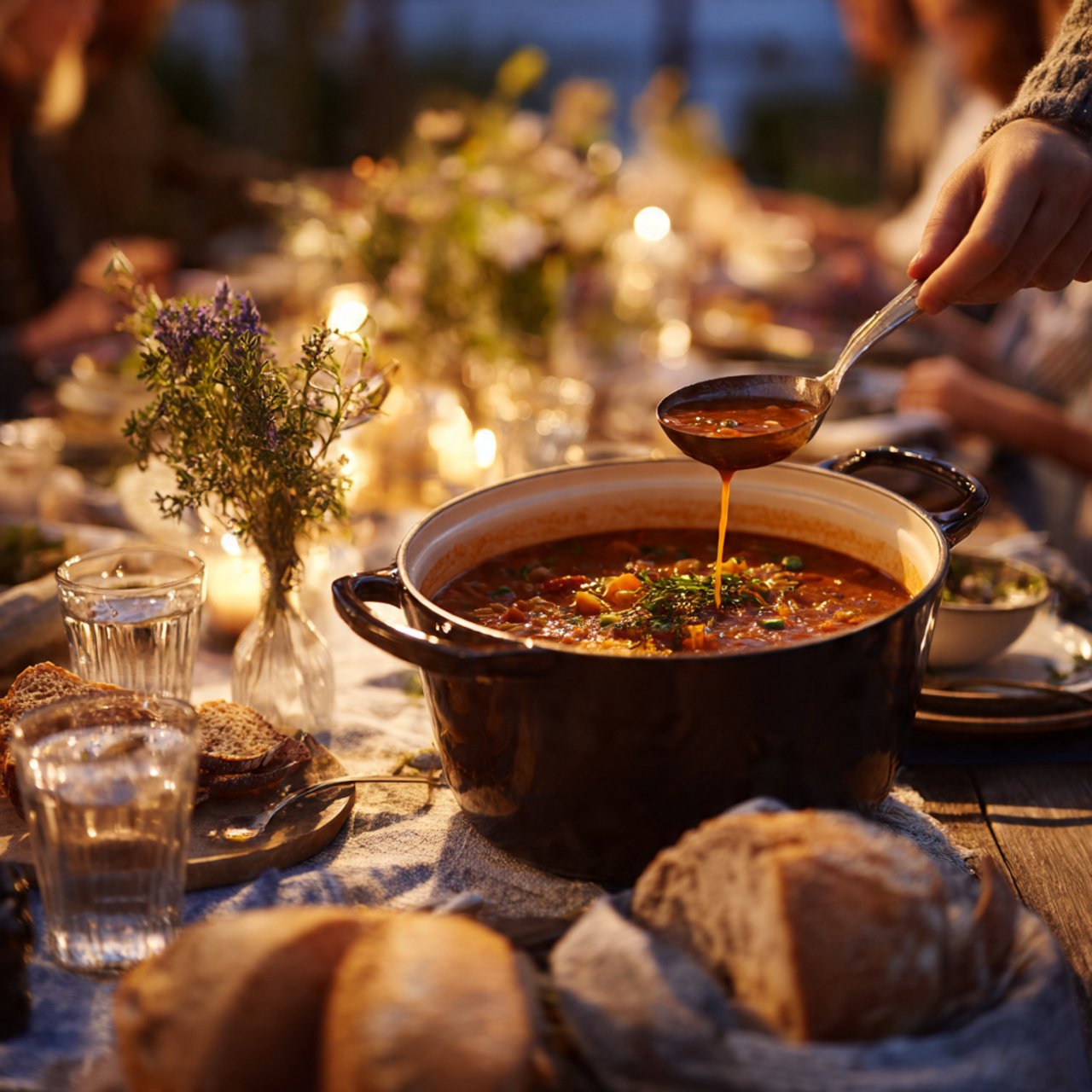
There’s something absolutely magical about a steaming bowl of vegan minestrone soup that warms you from the inside out and makes everything feel right in the world. This beloved Italian classic is the ultimate comfort food: a hearty, vegetable-packed soup brimming with tender beans, al dente pasta, and a rich tomato broth infused with aromatic herbs. Whether you’re looking for a nourishing weeknight dinner, a meal prep staple that feeds a crowd, or simply the most comforting bowl of soup you’ve ever tasted, this recipe delivers on every front.
What makes this vegan minestrone truly special is its incredible versatility and deeply satisfying nature. Unlike lighter soups that leave you hungry an hour later, minestrone is a substantial, filling meal that provides genuine nourishment and lasting satisfaction. Every spoonful offers a different combination of vegetables, beans, and pasta, making each bite interesting and delicious. The broth itself is a thing of beauty: savory vegetable stock enriched with tomatoes, garlic, fresh herbs, and a secret ingredient that adds an umami depth you won’t believe came from a completely plant-based recipe.
This easy vegan minestrone is perfect for so many occasions. It’s the ideal soup to make when you need to clean out your vegetable drawer, as minestrone welcomes whatever produce you have on hand. It’s wonderful for batch cooking since it makes a generous quantity and actually tastes better the next day. Serve it as a starter for an Italian feast, pack it for lunch throughout the week, or enjoy it as a complete meal with crusty bread for dunking. No matter how you serve it, this soup brings people together and makes everyone feel cared for.
History & Background
Minestrone soup boasts a rich history that stretches back over two thousand years to ancient Rome, making it one of the oldest and most enduring dishes in Italian cuisine. The word “minestrone” derives from “minestra,” meaning soup, with the suffix “-one” indicating something large or substantial. This etymology perfectly captures the essence of the dish: a big, hearty soup meant to nourish and satisfy.
In its earliest forms, minestrone was a humble peasant dish made with whatever vegetables were available, often including foraged greens, root vegetables, and legumes. Ancient Romans created versions of this vegetable soup long before tomatoes arrived from the Americas in the 16th century. The pre-tomato iterations relied on olive oil, garlic, onions, and local herbs for flavor, with grains like spelt or barley providing substance. When tomatoes finally made their way into Italian cooking in the 18th and 19th centuries, they transformed minestrone into the vibrant, red-hued soup we recognize today.
What makes minestrone particularly fascinating is that there is no single “authentic” recipe. Every region of Italy, and indeed every Italian grandmother, has their own version passed down through generations. In Genoa, minestrone is finished with a generous dollop of pesto. In Milan, rice replaces pasta. Tuscan versions feature cannellini beans prominently, while southern Italian recipes might include more tomatoes and bold seasonings. This regional diversity reflects the soup’s peasant origins: it was always made with what was locally available and seasonally abundant.
The tradition of minestrone embodies the Italian philosophy of “cucina povera” or “poor cooking,” which transforms simple, inexpensive ingredients into deeply flavorful, satisfying meals through careful technique and respect for ingredients. This vegan version honors that tradition perfectly, as minestrone was plant-based long before the term existed. Our recipe celebrates this heritage while incorporating the best elements from various regional traditions into one incredible bowl of soup.
Why You’ll Love This Recipe
This vegan minestrone soup is the kind of recipe that earns a permanent place in your regular rotation because it checks every single box for what a perfect soup should be.
The combination of tender vegetables, creamy beans, and perfectly cooked pasta in a rich, herb-infused tomato broth creates a symphony of flavors and textures that satisfies on every level. It’s the soup equivalent of a warm hug, providing genuine comfort and nourishment with every spoonful.
Here’s why this hearty vegetable soup will become your new favorite:
- One-pot simplicity – Everything cooks in a single Dutch oven or large pot, minimizing cleanup while maximizing flavor
- Incredibly budget-friendly – Made with affordable pantry staples and whatever vegetables you have on hand
- Naturally vegan and plant-based – No substitutions needed; traditional minestrone is inherently dairy-free
- Packed with nutrition – Loaded with fiber, vitamins, minerals, and plant protein from beans
- Endlessly customizable – Use whatever vegetables are in season or need to be used up
- Perfect for meal prep – Makes a large batch that tastes even better the next day
- Freezer-friendly – Freeze portions for quick, healthy meals anytime
- Family-friendly – Kids love the pasta and mild, comforting flavors
- Ready in under an hour – From start to finish in about 45 minutes
- Whole food ingredients – No processed foods, just real vegetables, beans, and herbs
Ingredient Notes
Understanding each ingredient’s role helps you make the best possible vegan minestrone and gives you confidence to make substitutions based on what you have available.
Olive Oil: Extra virgin olive oil is traditional and provides a fruity, peppery base that’s essential to authentic Italian flavor. Use a good quality oil since you’ll taste it in the finished soup. Don’t substitute with neutral oils if you want that true minestrone character.
Onion, Carrots, and Celery (Mirepoix/Soffritto): This aromatic trio forms the flavor foundation of the soup and is absolutely essential. Take your time sautéing these vegetables until they’re softened and slightly caramelized—this step builds incredible depth. Yellow or white onions work best; avoid red onions, which can discolor the broth.
Garlic: Fresh garlic is non-negotiable for authentic flavor. Use a generous amount and add it after the mirepoix has softened so it doesn’t burn. Four to six cloves provides a nice garlicky backbone without being overpowering.
Zucchini and Green Beans: These quintessential summer vegetables add color, texture, and nutrition. Cut them into bite-sized pieces that will fit comfortably on a spoon. If unavailable, substitute with yellow squash, asparagus, or additional leafy greens.
Potatoes: Waxy potatoes like Yukon Gold hold their shape during simmering and add heartiness to the soup. They also release some starch that slightly thickens the broth. Cut into small cubes so they cook at the same rate as other vegetables.
Canned Diced Tomatoes: These provide the signature red color and tangy-sweet flavor base. Fire-roasted diced tomatoes add an extra layer of depth. San Marzano tomatoes are excellent if available but any quality canned tomatoes work well.
Tomato Paste: A tablespoon or two of concentrated tomato paste intensifies the tomato flavor and adds body to the broth. Toast it briefly with the aromatics to develop deeper, more complex flavor.
Cannellini Beans: These creamy white Italian beans are traditional in minestrone and provide protein, fiber, and satisfying substance. Kidney beans or borlotti (cranberry) beans make excellent substitutes. Canned beans are perfectly acceptable for convenience.
Vegetable Broth: Use a good quality, low-sodium vegetable broth as your base. The broth quality significantly impacts the final flavor, so choose one you enjoy drinking on its own. You can also use homemade vegetable stock for the best results.
Small Pasta (Ditalini or Small Shells): Small pasta shapes that fit on a spoon are traditional. Ditalini, small shells, elbow macaroni, or orzo all work beautifully. The pasta should be small enough to get a little in every spoonful without overwhelming other ingredients.
Fresh and Dried Herbs: A combination of dried oregano and basil provides backbone flavor, while fresh basil added at the end brings brightness. Bay leaves add subtle depth during simmering. Fresh rosemary and thyme can also be incorporated for additional complexity.
Leafy Greens: Kale, spinach, or Swiss chard added near the end provides color, nutrition, and a slight bitterness that balances the sweetness of other vegetables. Kale holds up better to reheating, while spinach wilts more quickly.
Parmesan Rind (or Vegan Alternative): Traditionally, an Italian cook would add a Parmesan rind to the simmering soup for added umami depth. For this vegan version, a tablespoon of white miso paste or nutritional yeast provides similar savory complexity.
Equipment Needed
This one-pot vegan minestrone requires minimal equipment, making it accessible for any home kitchen.
- Large Dutch oven or heavy-bottomed soup pot (at least 6-quart capacity)
- Sharp knife and large cutting board
- Wooden spoon or heat-resistant spatula
- Ladle for serving
- Measuring cups and spoons
- Can opener
- Vegetable peeler (for carrots and potatoes)
- Optional: immersion blender (if you prefer a partially pureed soup)
- Optional: Microplane for grating garlic
📋 Recipe Card
Prep Time: 20 minutes
Cook Time: 35-40 minutes
Total Time: 55-60 minutes
Yield: 8-10 servings (approximately 4 quarts)
Category: Soup, Main Course, Lunch
Method: Stovetop, One-Pot
Cuisine: Italian, Mediterranean
Diet: Vegan, Dairy-Free, Nut-Free
Description: This hearty vegan minestrone soup is loaded with tender vegetables, creamy cannellini beans, and al dente pasta in a rich, herb-infused tomato broth. A classic Italian comfort food that’s perfect for meal prep and tastes even better the next day.
Ingredients
For the Aromatic Base:
- 3 tablespoons extra virgin olive oil
- 1 large yellow onion, diced
- 3 medium carrots, peeled and diced
- 3 stalks celery, diced
- 6 cloves garlic, minced
- 2 tablespoons tomato paste
For the Soup:
- 1 can (28 oz) diced tomatoes (fire-roasted preferred)
- 8 cups low-sodium vegetable broth
- 2 cups water
- 2 medium Yukon Gold potatoes, diced into ½-inch cubes
- 2 medium zucchini, halved lengthwise and sliced
- 1½ cups green beans, trimmed and cut into 1-inch pieces
- 2 cans (15 oz each) cannellini beans, drained and rinsed
- 1 cup small pasta (ditalini, small shells, or elbow)
- 2 cups chopped kale or spinach, stems removed
Seasonings:
- 2 teaspoons dried oregano
- 1 teaspoon dried basil
- 2 bay leaves
- 1 teaspoon salt (adjust to taste)
- ½ teaspoon black pepper
- ½ teaspoon red pepper flakes (optional)
- 1 tablespoon white miso paste (for umami depth)
For Finishing:
- 2 tablespoons fresh lemon juice
- ¼ cup fresh basil, chiffonade or torn
- Extra virgin olive oil for drizzling
- Vegan Parmesan for serving (optional)
Instructions
Step 1: Prepare Your Vegetables
Before you begin cooking, prepare all your vegetables. Dice the onion, carrots, celery, potatoes, and zucchini into roughly ½-inch pieces for even cooking. Mince the garlic. Trim and cut the green beans into 1-inch pieces. Remove stems from kale and roughly chop the leaves. Having everything prepped and ready (mise en place) makes the cooking process smooth and enjoyable.
Step 2: Build the Aromatic Base
Heat the olive oil in a large Dutch oven or soup pot over medium heat. Add the diced onion, carrots, and celery (the classic soffritto). Cook, stirring occasionally, for 8-10 minutes until the vegetables are softened and the onion is translucent with golden edges. This step is crucial for building deep flavor, so don’t rush it.
Step 3: Add Garlic and Tomato Paste
Add the minced garlic and tomato paste to the softened vegetables. Stir constantly for about 2 minutes, allowing the tomato paste to caramelize slightly and the garlic to become fragrant. The tomato paste should turn a deeper, brick-red color as it toasts, which develops richer flavor.
Step 4: Add Tomatoes and Liquid
Pour in the diced tomatoes with their juices, vegetable broth, and water. Stir well to combine, scraping up any browned bits from the bottom of the pot (this is flavor!). Add the dried oregano, dried basil, bay leaves, salt, pepper, and red pepper flakes if using. Stir to incorporate.
Step 5: Add Hearty Vegetables
Add the diced potatoes and bring the soup to a boil over high heat. Once boiling, reduce heat to medium-low and simmer for 10 minutes. The potatoes need a head start since they take longer to cook than the other vegetables.
Step 6: Add Remaining Vegetables and Beans
Add the zucchini, green beans, and cannellini beans to the pot. Continue simmering for another 10 minutes until all vegetables are nearly tender but still have a slight bite.
Step 7: Cook the Pasta
Add the small pasta directly to the soup. Stir well to prevent sticking and continue simmering for 8-10 minutes, or according to package directions, until the pasta is al dente. The pasta will absorb some liquid as it cooks, which is normal and desirable.
Step 8: Add Greens and Finish
Stir in the chopped kale or spinach and the white miso paste. Cook for 2-3 minutes until the greens are wilted but still vibrant green. Remove the bay leaves. Stir in the fresh lemon juice, which brightens all the flavors beautifully.
Step 9: Taste and Adjust
Taste the soup and adjust seasoning as needed. You may want additional salt, pepper, or a splash more lemon juice. The soup should taste well-balanced with bright tomato flavor, savory depth, and a hint of herbs.
Step 10: Serve and Garnish
Ladle the hot minestrone into bowls. Top each serving with fresh torn basil, a generous drizzle of extra virgin olive oil, and vegan Parmesan if desired. Serve immediately with crusty bread for dunking.
Notes
- For the best pasta texture, cook the pasta separately and add it to individual bowls when serving. This prevents the pasta from becoming mushy in leftovers.
- The soup will thicken as it sits and the pasta absorbs liquid. Add more broth when reheating to reach desired consistency.
- White miso paste adds incredible umami depth without any fishy flavor. Find it in the refrigerated section near tofu.
- This soup tastes even better the next day after the flavors have melded overnight.
- Feel free to substitute vegetables based on what you have: butternut squash, cabbage, fennel, peas, or corn all work wonderfully.
Nutrition Facts Table
Per serving (approximately 1.5 cups, based on 10 servings)
| Nutrient | Amount |
|---|---|
| Serving Size | 1.5 cups (approximately 375ml) |
| Calories | 195 kcal |
| Total Fat | 5g |
| Saturated Fat | 0.7g |
| Unsaturated Fat | 3.8g |
| Trans Fat | 0g |
| Cholesterol | 0mg |
| Sodium | 485mg |
| Total Carbohydrates | 32g |
| Dietary Fiber | 7g |
| Total Sugars | 6g |
| Protein | 8g |
Note: Nutrition information is calculated using standard recipe databases and may vary based on specific ingredients used and portion sizes.
Tips & Variations
This classic vegan minestrone is wonderfully adaptable. Here are delicious ways to customize it for different seasons, preferences, and pantry situations.
Summer Garden Minestrone: Embrace peak summer produce by adding fresh corn kernels, yellow squash, cherry tomatoes (halved and added at the end), and fresh basil. Use lighter herbs like fresh oregano and reduce cooking time for vegetables to maintain their brightness.
Winter Root Vegetable Version: Replace zucchini and green beans with hearty winter vegetables like butternut squash, parsnips, turnips, and cabbage. Add a sprig of fresh rosemary and increase cooking time slightly for denser vegetables.
Tuscan White Bean Minestrone: Omit the tomatoes and tomato paste for a lighter, brothy soup. Double the cannellini beans and add a generous amount of lacinato kale. Finish with lots of fresh rosemary and a drizzle of high-quality olive oil.
Pasta e Fagioli Style: Increase the beans to 3 cans, reduce the vegetables, and add more pasta for a heartier, bean-forward soup that bridges minestrone and pasta e fagioli traditions.
Genovese Minestrone with Pesto: Stir 2-3 tablespoons of vegan pesto into each bowl just before serving, or add it to the pot at the very end. This Ligurian tradition adds incredible herby richness.
Spicy Arrabbiata Minestrone: Increase red pepper flakes to 1 teaspoon and add 1-2 diced fresh jalapeños with the aromatics. Finish with extra black pepper for a soup with serious kick.
Grain-Based Variation: Replace pasta with ½ cup farro, barley, or brown rice. Add grains earlier in cooking (with the potatoes) as they take longer than pasta.
Low-Carb/Keto Option: Omit pasta and potatoes entirely. Double the zucchini and add cauliflower florets. Increase beans slightly for substance, or omit beans too for strict keto.
Pro Chef Tips
Elevate your vegan minestrone from home-cooked to restaurant-quality with these professional techniques that make all the difference.
Layer your aromatics properly. The soffritto (onion, carrot, celery) must be cooked slowly and thoroughly before adding anything else. These vegetables should be soft, slightly sweet, and just beginning to turn golden. This foundation determines the depth of your entire soup, so invest the full 8-10 minutes here without rushing.
Toast your tomato paste. This simple step transforms one-dimensional tomato paste into a complex, deeply flavored ingredient. The paste should turn from bright red to a deeper brick color and begin to stick slightly to the bottom of the pot. This caramelization adds incredible savory depth.
Season in stages. Add salt at multiple points during cooking rather than all at once at the end. A pinch when sautéing aromatics, more when adding liquid, and final adjustments before serving ensures well-integrated, balanced seasoning throughout.
Finish with acid and fresh herbs. The lemon juice added at the end isn’t about making the soup taste lemony—it’s about brightening all the other flavors and making the soup taste more vibrant and alive. Similarly, fresh basil added at serving provides an aromatic lift that dried herbs can’t match.
Use the best olive oil for finishing. Save your premium, expensive extra virgin olive oil for drizzling over the finished soup. The heat of serving won’t destroy its delicate flavors, and that final drizzle adds a luxurious richness that elevates the entire dish.
Control your pasta. For restaurant-quality minestrone, cook pasta separately and add it to individual bowls when serving. This keeps the pasta perfectly al dente and prevents it from becoming bloated and mushy in leftovers.
Common Mistakes to Avoid
Even simple soups can go wrong without proper technique. Here’s how to ensure your vegan minestrone turns out perfectly every time.
Rushing the soffritto: This is the number one mistake that leads to flat-tasting soup. If you skip properly sautéing the onion, carrots, and celery, you miss the foundation of flavor that makes minestrone special. Those 8-10 minutes of patient cooking are essential.
Adding all vegetables at once: Different vegetables require different cooking times. Potatoes need a head start, while delicate greens should be added at the very end. Adding everything simultaneously results in some vegetables being mushy while others are still crunchy.
Overcooking the pasta: Pasta continues to absorb liquid and cook even after you turn off the heat. Remove the soup from heat when pasta is just barely al dente. If making ahead, significantly undercook the pasta or cook it separately.
Using too much pasta: It’s tempting to add extra pasta, but it will absorb a surprising amount of liquid and turn your soup into a thick stew. Stick to the recommended amount, remembering that the pasta expands as it cooks and absorbs liquid.
Underseasoning: Soup requires generous seasoning because there’s so much liquid to flavor. Taste frequently throughout cooking and don’t be shy with salt, herbs, and especially the finishing lemon juice, which brightens everything.
Skipping the umami element: The white miso paste (or nutritional yeast) adds an essential savory depth that makes the soup taste complex and satisfying. Don’t skip this ingredient—it’s what separates good minestrone from great minestrone.
Storage & Meal Prep
Vegan minestrone is one of the best soups for meal prep because it actually improves with time and stores beautifully.
Refrigerator Storage: Store cooled soup in airtight containers in the refrigerator for up to 5-7 days. The flavors continue to develop and meld, making day-two minestrone even more delicious than freshly made. The soup will thicken considerably as the pasta absorbs liquid—this is completely normal.
Pasta Storage Tip: For the best leftovers, store cooked pasta separately from the soup and add it to individual portions when reheating. This prevents the pasta from becoming mushy and bloated. Alternatively, cook fresh pasta when serving leftovers.
Reheating on the Stovetop: Transfer desired portion to a saucepan over medium heat. Add ½ cup of vegetable broth or water per serving to loosen the thickened soup. Stir occasionally and heat until warmed through. Taste and adjust seasoning, as reheated soup often needs a pinch more salt.
Reheating in the Microwave: Place soup in a microwave-safe bowl with a splash of water or broth. Cover loosely and heat in 90-second intervals, stirring between each, until thoroughly warmed. Add more liquid if the soup has become too thick.
Meal Prep Strategy: Make a full batch on Sunday for healthy lunches throughout the week. Portion into individual containers for grab-and-go convenience. The soup packs beautifully in thermoses for work or school lunches.
Make-Ahead & Freezer Notes
Minestrone is an excellent candidate for batch cooking and freezing, with a few considerations for best results.
Freezing the Complete Soup: Minestrone freezes well for up to 3 months. However, for best texture, freeze the soup without the pasta. The pasta becomes very soft and mushy when frozen and reheated. Ladle cooled soup into freezer-safe containers or bags, leaving 1 inch of headspace for expansion. Label with contents and date.
Freezing the Soup Base: For ultimate convenience, make a double batch of soup base (everything except pasta and delicate greens) and freeze in portions. When ready to serve, thaw the base, heat it up, cook fresh pasta separately, add fresh greens, and you have practically fresh-made minestrone in minutes.
Thawing Instructions: Transfer frozen soup from freezer to refrigerator 24 hours before you plan to serve it. For faster thawing, place the sealed container in a bowl of cool water, changing water every 30 minutes. You can also thaw directly in a pot over low heat, stirring frequently.
Best Reheating Method After Freezing: Once thawed, reheat soup gently on the stovetop over medium heat, adding broth or water as needed to reach desired consistency. If you froze without pasta, cook fresh pasta separately while the soup heats and add it just before serving. Add fresh basil and a drizzle of olive oil to revive the flavors.
Make-Ahead Components: You can prepare several elements in advance. Wash and chop all vegetables up to 2 days ahead, storing them in separate containers in the refrigerator. Make the entire soup base (through adding liquid and tomatoes) and refrigerate for up to 3 days before finishing with vegetables and pasta.
Serving Suggestions
This hearty vegan minestrone is satisfying on its own but becomes a complete Italian feast with thoughtful accompaniments.
Crusty Italian Bread: Absolutely essential for dunking and soaking up every drop of flavorful broth. A good ciabatta, sourdough boule, or fresh baguette crisped in the oven is perfect. For extra indulgence, rub toasted bread with a cut garlic clove and drizzle with olive oil for impromptu bruschetta.
Garlic Bread: Vegan garlic bread made with plant-based butter, fresh garlic, and herbs is an irresistible accompaniment. The crispy, garlicky bread is perfect for dipping.
Simple Green Salad: A crisp salad with peppery arugula, shaved fennel, and a bright lemon vinaigrette provides refreshing contrast to the warm, hearty soup. Keep the dressing simple to let the salad complement rather than compete.
Focaccia: Thick slices of herbed focaccia, especially when still warm, make minestrone feel like a special occasion. Rosemary focaccia is particularly delicious with this soup.
Italian Chopped Salad: A heartier salad option with romaine, cherry tomatoes, cucumber, chickpeas, pepperoncini, and Italian vinaigrette stands up to the substantial soup.
Grilled Cheese (Vegan): For the ultimate comfort meal, pair minestrone with a golden, crispy vegan grilled cheese sandwich. Use your favorite plant-based cheese on sourdough bread.
Wine Pairing: A light, fruity Italian red like Chianti or Valpolicella complements minestrone beautifully without overwhelming the delicate vegetable flavors. For white wine lovers, a crisp Pinot Grigio works wonderfully.
Finishing Touches: Always finish each bowl with a generous drizzle of high-quality extra virgin olive oil, freshly cracked black pepper, and fresh basil. Vegan Parmesan adds a nice salty, savory element.
FAQs Section
Can I make this soup in an Instant Pot or slow cooker?
Absolutely! For the Instant Pot, sauté the aromatics using the sauté function, add all ingredients except pasta and greens, and pressure cook on high for 8 minutes with quick release. Stir in greens and cook fresh pasta separately. For a slow cooker, sauté aromatics on the stovetop first (or skip for convenience), then combine everything except pasta and greens. Cook on low for 6-8 hours or high for 3-4 hours. Add greens in the last 30 minutes and cooked pasta just before serving.
What’s the best pasta shape for minestrone?
Traditional choices include ditalini (small tubes), small shells, elbow macaroni, or orzo. The key is choosing a shape small enough to fit comfortably on a soup spoon along with vegetables and beans. Avoid long pasta like spaghetti, which is difficult to eat in soup.
How do I prevent the pasta from getting mushy?
Cook the pasta separately and add it to individual bowls when serving. This is especially important if you plan to have leftovers. If cooking pasta directly in the soup, remove from heat when pasta is just barely al dente—it will continue cooking in the hot broth.
Can I use dried beans instead of canned?
Yes! Soak 1 cup of dried cannellini beans overnight, then drain and cook in fresh water until tender before adding to the soup. Alternatively, cook the dried beans directly in the soup by adding them with the broth and simmering for 45-60 minutes before adding other vegetables. Cooking time varies, so test for tenderness.
What vegetables can I substitute if I don’t have everything listed?
Minestrone is extremely flexible! Substitute based on what’s available: butternut squash, parsnips, or sweet potatoes for regular potatoes; yellow squash or asparagus for zucchini; peas, corn, or cabbage for green beans; any white bean variety for cannellini. The soup is forgiving and welcomes improvisation.
How do I make the soup more protein-rich?
Add an extra can of beans, stir in cooked lentils, or add cubed extra-firm tofu during the last 10 minutes of cooking. You can also serve the soup topped with crispy pan-fried tempeh crumbles.
Why does my minestrone taste flat?
The most common causes are underseasoning or rushing the initial soffritto. Make sure you’re using enough salt (taste frequently!), properly sautéing the aromatics for a full 8-10 minutes, including the miso paste for umami depth, and finishing with fresh lemon juice to brighten the flavors.
Is this soup gluten-free?
The recipe is easily made gluten-free by using certified gluten-free pasta. Rice pasta, chickpea pasta, or quinoa pasta all work well. You can also substitute cooked rice, quinoa, or additional beans for the pasta entirely.
Conclusion
This hearty vegan minestrone soup represents everything wonderful about home cooking: simple ingredients transformed through careful technique into something truly special that nourishes both body and soul. With its colorful vegetables, creamy beans, and perfectly al dente pasta swimming in an herb-infused tomato broth, this soup is proof that the most comforting foods are often the most straightforward to prepare.
I love that minestrone welcomes improvisation and flexibility while still delivering reliably delicious results every time. Whether you follow this recipe exactly or use it as a template for cleaning out your refrigerator, you’re carrying on a tradition that Italian home cooks have honored for centuries. There’s something deeply satisfying about that connection to culinary history, especially when the result is this delicious.
I hope you’ll make this vegan minestrone part of your regular cooking rotation. It’s perfect for meal prep Sundays, cozy weeknight dinners, and anytime you want to fill your home with the incredible aroma of soup simmering on the stove. Your family, your taste buds, and your body will thank you.
If you try this recipe, I’d love to hear about your experience! Leave a comment below with your feedback, any variations you tried, or questions you might have. And if this soup brings warmth and comfort to your table, please share it on Pinterest so other home cooks can discover this Italian classic. Happy cooking, friends!