
Creamy Vegan Butter Chick’n: The Best Plant-Based Indian Comfort Food
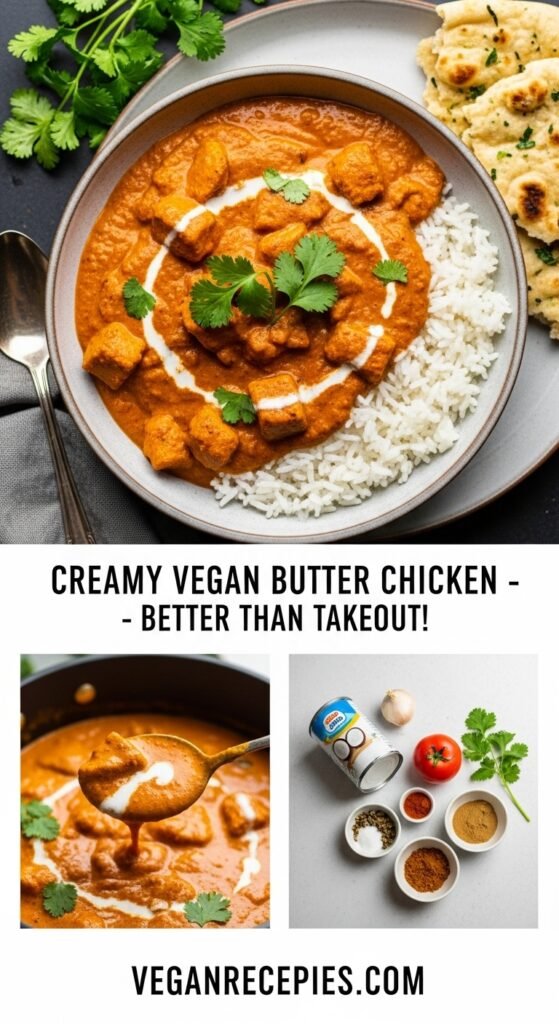
Introduction
Get ready to fall head over heels in love with this incredible vegan butter chick’n recipe that captures every bit of the rich, creamy, aromatic magic of the classic Indian dish without any dairy or meat. This plant-based butter chicken is so luxuriously silky, so perfectly spiced, and so deeply satisfying that even the most devoted meat-eaters at your table will be reaching for seconds and asking for the recipe. Whether you’ve been vegan for years or you’re simply looking to add more meatless meals to your rotation, this dish is about to become a permanent fixture in your dinner lineup.
What makes this vegan butter chicken truly exceptional is the way it honors the authentic flavors of traditional murgh makhani while using entirely plant-based ingredients. The sauce is an absolute showstopper: velvety smooth tomato-based curry enriched with coconut cream, warming garam masala, and that signature hint of sweetness that makes butter chicken so irresistible. Paired with perfectly seasoned tofu, chickpeas, or your protein of choice, each bite delivers that comforting, restaurant-quality experience you crave.
This easy vegan Indian curry is perfect for so many occasions. It’s impressive enough to serve at dinner parties yet simple enough for a cozy Tuesday night meal. The recipe comes together in about 40 minutes, making it completely achievable for weeknight cooking. Serve it over fluffy basmati rice or with warm naan bread for scooping up every last drop of that incredible sauce, and you’ve got a meal that feels like a warm hug on a plate.
History & Background
Butter chicken, known as murgh makhani in Hindi, has a fascinating origin story that begins in Delhi, India, during the 1950s. The dish was created at the legendary Moti Mahal restaurant by Kundan Lal Gujral, who is credited with popularizing tandoori cooking in India. According to culinary lore, butter chicken was born from a resourceful desire to use leftover tandoori chicken. The kitchen team created a rich, buttery tomato sauce to simmer the dry tandoori pieces, transforming leftovers into what would become one of the most beloved Indian dishes worldwide.
The original butter chicken sauce was a masterful blend of tomatoes, cream, butter, and a carefully balanced mix of spices including garam masala, kashmiri red chili, and fenugreek leaves (kasuri methi). The dish quickly became a sensation in Delhi and eventually spread throughout India and across the globe as Indian cuisine gained international popularity. Today, butter chicken consistently ranks among the most ordered dishes at Indian restaurants worldwide, beloved for its mild, creamy flavor profile that appeals even to those who typically shy away from spicier fare.
The evolution of vegan butter chick’n represents a beautiful fusion of culinary innovation and cultural respect. As plant-based eating has grown exponentially, creative home cooks and professional chefs alike have worked to recreate this beloved classic using ingredients like tofu, cauliflower, chickpeas, and soy curls. The development of high-quality plant-based proteins and dairy alternatives has made it possible to achieve remarkably authentic results. This vegan adaptation honors the rich heritage of Indian cuisine while making this treasured dish accessible to those following plant-based diets, those with dairy allergies, and anyone seeking to reduce their environmental footprint through food choices.
Why You’ll Love This Recipe
This plant-based butter chicken delivers restaurant-quality results in your home kitchen with minimal fuss and maximum flavor. Every element of this recipe has been carefully developed to ensure you get that authentic butter chicken experience using entirely vegan ingredients.
The sauce alone is worth making this recipe for. It’s impossibly creamy, perfectly balanced between tangy tomatoes and rich coconut cream, and infused with aromatic spices that fill your entire kitchen with the most incredible fragrance as it simmers. Combined with your choice of protein, this dish offers complete satisfaction in every single bite.
Here’s why this vegan butter chicken will become your new favorite:
- Incredibly creamy and rich – Full-fat coconut cream creates that signature luscious texture without any dairy
- Authentically spiced – Traditional garam masala, kasuri methi, and warming spices deliver genuine Indian flavors
- Versatile protein options – Works beautifully with tofu, chickpeas, cauliflower, soy curls, or store-bought vegan chicken
- Ready in 40 minutes – Quick enough for weeknight dinners yet impressive enough for guests
- One-pot simplicity – Minimal cleanup with maximum flavor development
- Freezer-friendly – Make a double batch for easy future meals
- Naturally gluten-free – No flour or gluten-containing ingredients in the sauce
- Kid-approved flavor profile – The mild, creamy sauce appeals to picky eaters of all ages
- Budget-friendly – Uses affordable pantry staples and simple vegetables
- Meal prep perfect – Tastes even better the next day as flavors meld and deepen
Ingredient Notes
Understanding each ingredient’s role helps you achieve the most authentic, delicious vegan butter chick’n possible. Here’s your complete guide to the components of this incredible dish.
Protein Choice (Tofu, Chickpeas, or Alternatives): Extra-firm tofu is my top recommendation for this recipe because it absorbs the sauce beautifully while maintaining a satisfying texture. Press your tofu thoroughly for at least 15-20 minutes to remove excess moisture. Chickpeas offer a fiber-rich, protein-packed alternative that requires no prep. Soy curls, when rehydrated and seasoned, provide an incredibly meat-like texture. Store-bought vegan chicken pieces also work wonderfully for convenience.
Canned Crushed Tomatoes: These form the base of your sauce and provide that signature tangy-sweet flavor. Use good quality crushed tomatoes or tomato passata for the smoothest results. San Marzano tomatoes offer superior sweetness and lower acidity if you can find them.
Full-Fat Coconut Cream: This is the secret to achieving that luxuriously creamy texture without any dairy. Use full-fat coconut cream from a can, not lite coconut milk, which won’t provide the same richness. For the creamiest results, refrigerate the can overnight and use the thick cream that rises to the top. Alternatively, cashew cream works beautifully as a substitute.
Cashews (for optional cashew cream): Raw cashews blended with water create an incredibly silky, neutral-flavored cream that mimics the richness of traditional cream beautifully. Soak them for at least 2 hours or use boiling water for a 15-minute quick soak before blending.
Garam Masala: This essential Indian spice blend is non-negotiable for authentic flavor. Garam masala typically contains cinnamon, cardamom, cloves, cumin, coriander, and black pepper. Store-bought blends work well, but toasting and grinding your own spices takes this dish to another level.
Kasuri Methi (Dried Fenugreek Leaves): This ingredient is the secret weapon that makes butter chicken taste like butter chicken. The slightly bitter, maple-like flavor of dried fenugreek leaves is absolutely essential. You can find it at Indian grocery stores or online. There’s truly no substitute, so I encourage you to seek it out.
Kashmiri Red Chili Powder: This mild chili powder provides beautiful color and gentle heat without overwhelming spiciness. If unavailable, use half paprika and half cayenne pepper as a substitute. Adjust the amount based on your heat preference.
Fresh Ginger and Garlic: Fresh aromatics are essential for building deep, authentic flavor. Don’t substitute dried versions here—the fresh stuff makes a significant difference. Use a microplane or fine grater for the smoothest incorporation into the sauce.
Coconut Oil or Vegan Butter: Either works for sautéing your aromatics and building the sauce base. Vegan butter adds extra richness that’s closer to the original recipe, while coconut oil keeps things lighter. I recommend vegan butter for the most authentic results.
Maple Syrup or Coconut Sugar: A small amount of sweetness balances the acidity of the tomatoes and rounds out the flavor profile. Traditional recipes use sugar, and either maple syrup or coconut sugar provides that same balancing effect while keeping things unrefined.
Equipment Needed
This vegan butter chick’n comes together easily with basic kitchen equipment. Here’s what you’ll need:
- Large, deep skillet or Dutch oven (at least 12 inches)
- High-powered blender or immersion blender (for smooth sauce)
- Tofu press or clean kitchen towels and heavy objects (if using tofu)
- Sharp knife and cutting board
- Wooden spoon or spatula
- Measuring cups and spoons
- Microplane or fine grater (for ginger and garlic)
- Small bowl for spice mixture
- Can opener
- Optional: Instant Pot or pressure cooker for faster cooking
- Optional: Cast iron skillet for crisping tofu separately
📋 Recipe Card
Prep Time: 15 minutes
Cook Time: 25 minutes
Total Time: 40 minutes
Yield: 6 servings
Category: Dinner, Main Course
Method: Stovetop
Cuisine: Indian, Vegan Indian
Diet: Vegan, Dairy-Free, Gluten-Free
Description: This creamy, aromatic vegan butter chick’n features perfectly spiced tofu or chickpeas in a luxuriously silky tomato-coconut sauce. All the comforting flavors of classic butter chicken made entirely plant-based. Serve over basmati rice for the ultimate Indian comfort food experience.
Ingredients
For the Vegan “Chicken”:
- 2 blocks (14 oz each) extra-firm tofu, pressed and cubed, OR 2 cans (15 oz each) chickpeas, drained and rinsed
- 2 tablespoons coconut oil or neutral oil
- 1 teaspoon garam masala
- ½ teaspoon turmeric
- ½ teaspoon salt
- ¼ teaspoon black pepper
For the Butter Sauce
-
-
- 3 tablespoons vegan butter (or coconut oil)
- 1 large yellow onion, finely diced
- 6 cloves garlic, minced or grated
- 2-inch piece fresh ginger, minced or grated
- 1 tablespoon garam masala
- 1 teaspoon ground cumin
- 1 teaspoon ground coriander
- 1 teaspoon Kashmiri red chili powder (or ½ teaspoon paprika + ¼ teaspoon cayenne)
- ½ teaspoon turmeric
- 1 can (28 oz) crushed tomatoes or tomato passata
- 1 can (13.5 oz) full-fat coconut cream
- 2 tablespoons kasuri methi (dried fenugreek leaves), crushed
- 1 tablespoon maple syrup or coconut sugar
- 1 teaspoon salt (adjust to taste)
- ½ teaspoon black pepper
<
-
/ul>
<stro
-
- ng>For Serving:</strong>
-
- Fresh cilantro, chopped
- Dairy-free yogurt or cashew cream drizzle
- Cooked basmati rice or naan bread
-
Optional Cashew Cream (for extra richness):
-
-
- ½ cup raw cashews, soaked 2+ hours
- ½ cup water
-
Instructions
Step 1: Press and Prepare the Tofu
If using tofu, press it between clean kitchen towels with a heavy object on top for at least 15-20 minutes to remove excess moisture. This step is crucial for achieving crispy, flavorful tofu that holds up in the sauce. Once pressed, cut the tofu into 1-inch cubes.
Step 2: Season and Crisp the Protein
In a small bowl, combine 1 teaspoon garam masala, ½ teaspoon turmeric, ½ teaspoon salt, and ¼ teaspoon black pepper. Toss your cubed tofu (or drained chickpeas) with this spice mixture until evenly coated. Heat 2 tablespoons oil in a large skillet over medium-high heat. Add the seasoned tofu and cook for 8-10 minutes, turning occasionally, until golden and slightly crispy on all sides. Transfer to a plate and set aside.
Step 3: Build the Aromatic Base
In the same skillet (or a large Dutch oven), melt the vegan butter over medium heat. Add the diced onion and cook for 5-7 minutes, stirring occasionally, until softened and beginning to turn golden. Add the minced garlic and ginger, cooking for another 1-2 minutes until incredibly fragrant.
Step 4: Toast the Spices
Add the garam masala, cumin, coriander, Kashmiri chili powder, and turmeric to the aromatics. Stir constantly for about 60 seconds to toast the spices and release their essential oils. This step is essential for developing deep, complex flavor. The mixture should smell absolutely incredible at this point.
Step 5: Add Tomatoes and Simmer
Pour in the crushed tomatoes, stirring well to combine with the spiced aromatics. Bring to a gentle simmer and cook for 8-10 minutes, stirring occasionally, until the sauce has thickened slightly and the tomatoes have deepened in color. The raw tomato taste should cook off during this time.
Step 6: Blend Until Smooth (Optional but Recommended)
For the silkiest, most restaurant-quality sauce, carefully transfer the tomato mixture to a blender and blend until completely smooth. Alternatively, use an immersion blender directly in the pot. If you prefer a chunkier sauce, you can skip this step, but blending truly elevates the final result.
Step 7: Create the Creamy Sauce
Return the blended sauce to the skillet over medium-low heat. Stir in the coconut cream, crushed kasuri methi, maple syrup, salt, and pepper. If using cashew cream, blend the soaked cashews with water until silky smooth and add it now for extra richness. Simmer gently for 5 minutes, stirring frequently, until the sauce is heated through and the flavors have melded beautifully.
Step 8: Add the Protein and Finish
Gently fold the crispy tofu or chickpeas into the creamy sauce, stirring to coat every piece. Simmer for an additional 3-5 minutes to allow the protein to absorb some of the incredible sauce. Taste and adjust seasoning as needed, adding more salt, sweetness, or spice to your preference.
Step 9: Serve and Garnish
Ladle the vegan butter chick’n over fluffy basmati rice or serve alongside warm naan bread. Garnish generously with fresh chopped cilantro and a drizzle of dairy-free yogurt or cashew cream for that authentic presentation. Serve immediately and enjoy!
Notes
-
-
- For the crispiest tofu, you can bake the seasoned cubes at 400°F (200°C) for 25-30 minutes instead of pan-frying.
- Don’t skip the kasuri methi (dried fenugreek leaves)—it’s the ingredient that makes butter chicken taste authentic.
- This dish tastes even better the next day as the flavors continue to develop.
- For a nut-free version, omit the cashew cream and use only coconut cream.
- Adjust the Kashmiri chili powder to your spice preference—the dish should be mildly spiced, not fiery hot.
- Make sure to use full-fat coconut cream, not light coconut milk, for proper richness.
-
Nutrition Facts Table
Per serving (approximately 1.5 cups with tofu, not including rice)
| Nutrient | Amount |
|---|---|
| Serving Size | 1.5 cups (approximately 350g) |
| Calories | 385 kcal |
| Total Fat | 26g |
| Saturated Fat | 15g |
| Unsaturated Fat | 9g |
| Trans Fat | 0g |
| Cholesterol | 0mg |
| Sodium | 680mg |
| Total Carbohydrates | 24g |
| Dietary Fiber | 5g |
| Total Sugars | 10g |
| Protein | 18g |
Note: Nutrition information is calculated using tofu as the protein and may vary based on specific ingredients used, portion sizes, and protein choice.
Tips & Variations
This versatile vegan butter chicken recipe welcomes creativity and adaptation. Here are delicious ways to customize the dish to suit your preferences and pantry.
Cauliflower Butter “Chicken”: Replace tofu with one large head of cauliflower cut into florets. Roast the seasoned cauliflower at 425°F (220°C) for 25-30 minutes until golden and caramelized before adding to the sauce. The slightly charred edges add incredible depth of flavor.
Soy Curl Version: Rehydrate 4 ounces of soy curls in warm vegetable broth for 10 minutes. Squeeze out excess liquid, season with the spice mixture, and pan-fry until crispy. Soy curls provide the most “meaty” texture of all the options.
Extra Creamy Variation: For an ultra-luxurious sauce, add an extra half can of coconut cream or increase the cashew cream quantity. You can also stir in 2 tablespoons of vegan cream cheese at the end for added richness.
Spicier Version: Increase the Kashmiri chili powder to 2 teaspoons, add ½ teaspoon cayenne pepper, or include 1-2 finely minced green chilies with the aromatics. A drizzle of chili oil on top adds beautiful color and heat.
Lower Fat Option: Use light coconut milk instead of coconut cream and reduce the vegan butter to 1 tablespoon. The sauce will be thinner but still flavorful. You can thicken it with a tablespoon of tomato paste.
Tikka Masala Twist: Add 2 tablespoons of tikka masala paste to the sauce along with a squeeze of lemon juice for a variation that bridges these two beloved Indian dishes.
Paneer-Style: Use extra-firm tofu cut into larger cubes and pan-fry until golden on all sides. This mimics the texture of paneer for a shahi paneer-inspired variation.
Vegetable Loaded: Add 2 cups of mixed vegetables like bell peppers, peas, or spinach to the sauce for added nutrition and color. Spinach wilted in at the very end is particularly delicious.
Pro Chef Tips
Elevate your vegan butter chick’n from good to absolutely extraordinary with these professional-level insights that restaurants use to create unforgettable dishes.
Toast your spices properly. This single step separates mediocre curries from exceptional ones. When you add the ground spices to the aromatics, stir constantly and watch for the moment when the spices release their fragrant oils and the mixture becomes incredibly aromatic. This takes about 60 seconds—don’t rush it, but don’t let the spices burn either.
Bloom the kasuri methi correctly. Crush the dried fenugreek leaves between your palms as you add them to release their essential oils. This releases the maximum flavor and ensures even distribution throughout the sauce. The slight bitterness of fenugreek is what gives authentic butter chicken its distinctive taste.
Balance is everything. The perfect butter chicken sauce has a harmonious balance of tangy (tomatoes), creamy (coconut), sweet (maple syrup), and savory (spices). Taste your sauce before adding the protein and adjust these elements. If it’s too tangy, add more sweetness. If it’s too sweet, add a splash of lemon juice.
Rest your tofu after pressing. After pressing, let your tofu sit uncovered in the refrigerator for 30 minutes. This creates a slightly dried surface that crisps up beautifully when pan-fried, giving you better texture contrast in the final dish.
Finish with fat. Just before serving, stir in an additional tablespoon of vegan butter. This final addition creates a glossy, restaurant-quality sheen and adds incredible richness to the finished sauce.
Use the fond. When crisping your tofu, don’t clean the pan before making the sauce. Those browned bits (fond) stuck to the bottom contain concentrated flavor that will dissolve into your sauce and add depth.
Common Mistakes to Avoid
Even experienced cooks can stumble with unfamiliar recipes. Here’s how to ensure your plant-based butter chicken turns out perfectly every time.
Not pressing the tofu adequately: Waterlogged tofu won’t crisp properly and will make your sauce watery. Invest the full 15-20 minutes in pressing, or better yet, freeze and thaw your tofu before pressing for an even meatier texture.
Skipping or substituting kasuri methi: This ingredient is absolutely essential for authentic butter chicken flavor. No other herb or spice replicates its unique taste. Make the effort to find it at an Indian grocery store or order online—it’s shelf-stable and will last for months.
Burning the spices: Ground spices go from perfectly toasted to burnt in seconds. Keep them moving constantly and reduce heat immediately if you see any smoking. Burnt spices will make your entire dish taste bitter and acrid.
Using light coconut milk instead of coconut cream: This is a common mistake that results in a thin, watery sauce that doesn’t satisfy. Full-fat coconut cream is essential for achieving that signature luxurious texture.
Adding too much liquid to the sauce: If your sauce seems too thin, resist the urge to add more tomatoes. Instead, simmer longer to reduce and concentrate the flavors. A proper butter chicken sauce should coat the back of a spoon.
Not allowing enough simmering time: The sauce needs adequate time for the tomatoes to cook down and lose their raw taste, and for all the flavors to meld together. Don’t rush the process—good things take time.
Storage & Meal Prep
This vegan butter chick’n is an exceptional candidate for meal prep, as the flavors actually improve after a day or two in the refrigerator.
Refrigerator Storage: Store the finished dish in an airtight container in the refrigerator for up to 5 days. The sauce thickens considerably when cold, which is completely normal. It will return to the proper consistency when reheated.
Storing Components Separately: For best texture results when meal prepping, store the sauce and protein separately. The tofu or chickpeas may become softer when stored in the sauce for extended periods. Combine them when reheating.
Reheating on the Stovetop: This is the preferred method for best results. Transfer the butter chick’n to a saucepan over medium-low heat. Add 2-3 tablespoons of water or coconut milk to loosen the sauce, and stir frequently until heated through. Avoid high heat, which can cause the sauce to separate.
Reheating in the Microwave: Place a portion in a microwave-safe bowl, add a splash of water, and cover loosely. Heat in 90-second intervals, stirring between each, until thoroughly warmed. The sauce may look slightly separated but will come together with stirring.
Meal Prep Strategy: Make a double batch of sauce on Sunday and prepare fresh tofu or chickpeas every 2-3 days for optimal texture. The sauce base stores better than the complete dish with protein.
Make-Ahead & Freezer Notes
Planning ahead makes weeknight dinners effortless, and this vegan butter chicken freezes beautifully for future meals.
Freezing the Complete Dish: Transfer cooled vegan butter chick’n to freezer-safe containers, leaving about an inch of headspace for expansion. Label with the date and freeze for up to 3 months. For individual portions, use freezer-safe mason jars or silicone freezer bags.
Freezing the Sauce Only: The butter sauce alone freezes exceptionally well. Make a double or triple batch of sauce and freeze in portions. When ready to serve, thaw and prepare fresh protein for the best texture.
Thawing Instructions: Transfer frozen butter chick’n from the freezer to the refrigerator the night before you plan to serve it. Allow 12-24 hours for complete thawing. For faster thawing, place the sealed container in a bowl of cool water, changing the water every 30 minutes.
Best Reheating Method After Freezing: Once thawed, reheat gently on the stovetop over medium-low heat, adding a splash of coconut milk to restore creaminess. Stir frequently and heat until warmed through. Avoid boiling, which can cause the sauce to separate.
Make-Ahead Prep: You can prepare several components in advance to make cooking day easier. Toast and grind your spice blend up to 2 weeks ahead and store in an airtight container. Make the cashew cream up to 3 days ahead. Press and cube tofu a day in advance and store refrigerated.
Serving Suggestions
The rich, creamy sauce of this vegan butter chick’n pairs beautifully with a variety of accompaniments that soak up every delicious drop.
Classic Basmati Rice: The traditional pairing and for good reason. Fluffy, aromatic basmati rice is the perfect neutral canvas for the bold, creamy sauce. For extra flavor, cook your rice with a bay leaf, a few cardamom pods, and a cinnamon stick.
Garlic Naan Bread: Warm, pillowy naan bread is essential for scooping up the sauce. Many grocery stores carry vegan naan options, or make your own using dairy-free yogurt. Brush with garlic-infused vegan butter before serving.
Jeera Rice (Cumin Rice): Basmati rice cooked with toasted cumin seeds, a bay leaf, and a touch of turmeric adds another layer of flavor that complements the butter sauce beautifully.
Fresh Cucumber Raita: Make a vegan version using dairy-free yogurt mixed with grated cucumber, fresh mint, a pinch of cumin, and salt. The cooling effect balances the warming spices perfectly.
Indian Pickles and Chutneys: Serve alongside mango chutney, lime pickle, or mint chutney for those who want to add extra flavor dimensions to their plate.
Simple Side Salad: A light kachumber salad of diced cucumbers, tomatoes, and red onion dressed with lemon juice and fresh cilantro provides refreshing contrast to the rich main dish.
Samosas or Pakoras: For a complete Indian feast, serve with store-bought or homemade samosas and vegetable pakoras as appetizers.
Refreshing Beverages: Pair with a mango lassi made with dairy-free yogurt, sparkling water with lime, or traditional masala chai to complete the meal.
FAQs Section
What’s the best protein substitute for chicken in this recipe?
Extra-firm tofu that’s been pressed and pan-fried until golden is my top recommendation for the most satisfying texture. However, chickpeas work wonderfully for a no-fuss option, and soy curls provide the most “meaty” experience. You can also use store-bought vegan chicken pieces, seitan, or even a combination of proteins.
Can I make this recipe without coconut?
Yes! Substitute the coconut cream with cashew cream made from 1 cup soaked raw cashews blended with ¾ cup water until silky smooth. This creates a similarly rich, creamy sauce without any coconut flavor. You can also use store-bought oat cream or soy cream, though the results may be slightly less rich.
Why is kasuri methi so important?
Kasuri methi (dried fenugreek leaves) provides the distinctive, slightly bitter, maple-like flavor that defines authentic butter chicken. Without it, the dish will taste like a generic tomato-cream curry rather than true butter chicken. It’s worth seeking out at Indian grocery stores or ordering online—a small amount goes a long way and it lasts for months.
Can I make this in an Instant Pot?
Absolutely! Use the sauté function to crisp your tofu and build the aromatics, then add the tomatoes and pressure cook on high for 5 minutes with natural release. Stir in the coconut cream and kasuri methi after releasing pressure, and simmer on the sauté function for a few minutes to meld the flavors.
How do I make this recipe spicier without changing the flavor profile?
Add ½ to 1 teaspoon of cayenne pepper along with the other spices, or include 1-2 finely minced fresh green chilies with the ginger and garlic. You can also serve with chili oil or red pepper flakes on the side so each person can adjust their heat level.
My sauce is too thin. How do I fix it?
Simmer the sauce uncovered for an additional 10-15 minutes to reduce and thicken. You can also blend 2 tablespoons of raw cashews with ¼ cup of the sauce and stir back in—this adds body without altering the flavor. Avoid adding cornstarch, which can create a gummy texture.
Can I use canned chickpeas straight from the can?
Yes, but for best results, drain and rinse them, toss with the spice mixture, and either pan-fry for 5-8 minutes or roast at 400°F (200°C) for 20 minutes before adding to the sauce. This step adds flavor and texture that makes a noticeable difference.
Is this recipe suitable for children?
Yes! Butter chicken is known for its mild, creamy flavor profile that appeals to children. Simply reduce or omit the Kashmiri chili powder for younger palates and ensure there are no allergen concerns with the ingredients used.
Conclusion
This creamy vegan butter chick’n proves that plant-based eating means absolutely zero compromise on flavor, comfort, or satisfaction. With its silky tomato-coconut sauce, warming aromatic spices, and perfectly cooked protein, this dish delivers every bit of the magic that has made butter chicken one of the world’s most beloved comfort foods. Whether you’re a longtime vegan, exploring meatless meals for the first time, or simply looking to add more plant-based dinners to your rotation, this recipe deserves a permanent spot in your cookbook.
I hope you’ll bring this vegan butter chicken to your table soon and experience the incredible flavors for yourself. It’s the kind of dish that brings people together, sparks conversation about how delicious plant-based food can be, and leaves everyone feeling satisfied and happy. The aroma alone as it simmers on your stovetop is worth the effort.
If you try this recipe, I’d absolutely love to hear how it turned out for you! Leave a comment below to share your experience, any adaptations you made, or questions you might have. And if this recipe brings joy to your dinner table, please share it on Pinterest so other home cooks can discover this delicious plant-based take on a classic. Happy cooking, friends!