Crispy Vegan Spinach Patties Burgers
Introduction
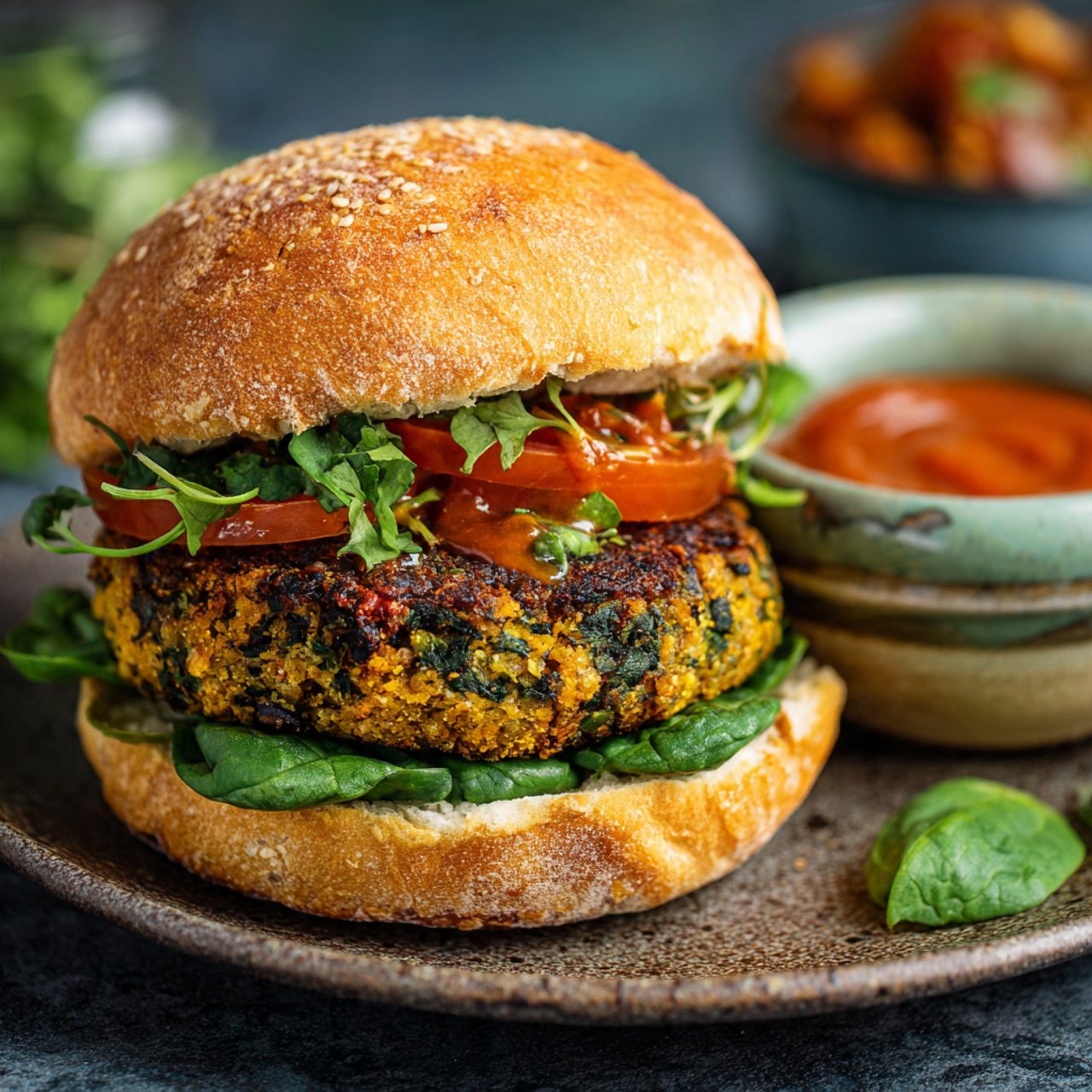
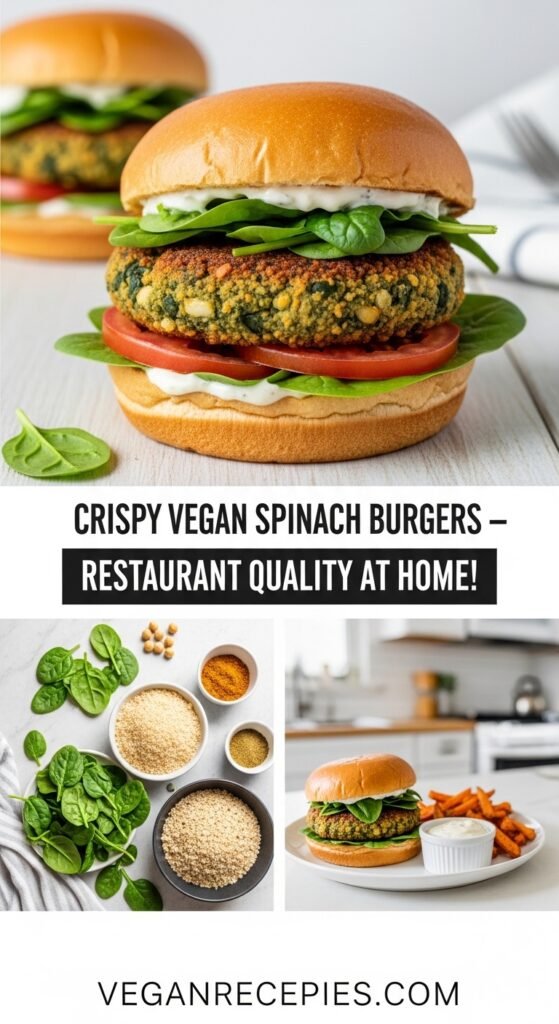
Prepare to be amazed by these incredible vegan spinach burgers that prove plant-based patties can be just as satisfying, delicious, and crave-worthy as any traditional burger. These golden, crispy-on-the-outside, tender-on-the-inside patties are loaded with nutrient-dense spinach, hearty grains, and savory seasonings that create a burger experience that’s genuinely impressive. Whether you’re committed to plant-based eating, cooking for guests with varied dietary preferences, or simply looking to add more wholesome meals to your rotation, these homemade vegan burgers deliver authentic burger satisfaction without any compromise on taste or texture.
What makes these vegan spinach burgers truly exceptional is their remarkable combination of crispy exterior and satisfyingly moist interior. The spinach adds incredible nutrition—vitamins A, C, K, and iron—while also contributing subtle earthiness and moisture that keeps the burgers from becoming dry or dense. A careful balance of binders, grains, and aromatics ensures the patties hold together beautifully during cooking and maintain their structure under the weight of toppings and condiments. Best of all, these burgers taste genuinely delicious, with complex flavors that suggest hours of careful preparation despite coming together in under 30 minutes.
These easy vegan spinach burgers are perfect for so many occasions throughout the year. Fire them up for summer cookouts where they’ll impress both vegan and non-vegan guests alike. Prepare them for meal prep, freezing extras for quick weeknight dinners that come together in minutes. Serve them at casual family dinners or more formal entertaining situations. Pack them for picnics and outdoor adventures. Use them as the centerpiece of grain bowls, salads, or hearty sandwiches. Once you experience how rewarding homemade vegan burgers can be, you’ll never look at store-bought patties the same way again.
History & Background
The burger as we know it today has a surprisingly complex and somewhat contested origin story, with multiple cultures claiming credit for creating the modern ground meat patty between bread. Most culinary historians trace the hamburger’s direct origins to Hamburg, Germany, where “Hamburg steak” became popular in the 19th century—a seasoned, shaped beef patty that was often eaten with bread. German immigrants brought this tradition to America, where it evolved into the iconic hamburger that became central to American food culture.
The concept of plant-based burgers, however, emerged much more recently. The first commercially successful veggie burger was developed in the 1980s, with brands like Boca and Morningstar Farms pioneering the category in response to growing vegetarian populations and health consciousness. Initially, these early meat-free burgers were often dry, bland, or overly processed, failing to capture the satisfaction and flavor of their meat-based counterparts.
The explosion of plant-based eating in recent years has revolutionized veggie burger development. Sophisticated blends of proteins, binders, vegetables, and seasonings now create burgers that rival or exceed traditional beef in terms of taste and texture. Companies like Impossible Foods and Beyond Meat captured mainstream attention with their technology-driven approaches, but simultaneously, home cooks rediscovered the joys of making burgers from whole ingredients at home.
Spinach as a burger ingredient has roots in various culinary traditions. Spinach burgers gained popularity as part of the broader health-conscious cooking movement, representing a way to add nutritional density and earthiness to plant-based patties. The combination of spinach with grains, legumes, and seasonings creates burgers that are genuinely wholesome—not trying to perfectly mimic meat, but instead celebrating the deliciousness of vegetables themselves.
This modern vegan spinach burger represents the best of multiple traditions: the American love of the burger, the European refinement of Hamburg steak, the plant-based movement’s commitment to delicious alternatives, and the home cook’s dedication to whole ingredients and genuine flavor. These burgers honor all these traditions while creating something uniquely contemporary and delicious.
Why You’ll Love This Recipe
These homemade vegan spinach burgers deliver restaurant-quality results that prove plant-based eating is anything but restrictive or boring. Every element has been carefully considered to create genuine burger satisfaction.
The combination of crispy exterior, moist interior, nutritious spinach, and complex seasonings creates a burger that’s simultaneously wholesome and indulgent. These patties taste genuinely good—not “good for a vegan burger” but legitimately delicious in their own right.
Here’s why these homemade plant-based burgers will become your new favorite:
- Crispy-on-the-outside, tender-inside – Perfectly cooked patties with ideal texture contrast
- Loaded with nutrition – Spinach, grains, and legumes provide vitamins, minerals, fiber, and protein
- Deeply flavorful – Complex seasonings and ingredients create satisfying umami depth
- Made with whole ingredients – No mysterious processing or unpronounceable additives
- Freezer-friendly – Make a batch and freeze extras for quick future meals
- Naturally vegan and plant-based – Perfect for vegans, vegetarians, and flexitarians alike
- Customizable toppings – Build your burger exactly how you like it
- Impressive for entertaining – Restaurant-quality results that impress all guests
- Budget-friendly – Much less expensive than store-bought vegan burgers
- Surprisingly quick – From mixing to table in under 30 minutes
Ingredient Notes
Understanding each ingredient’s role helps you create the most delicious, satisfying vegan spinach burgers possible. Here’s your complete guide to selecting and preparing each component.
Fresh or Frozen Spinach: Fresh spinach provides the best flavor and vibrant color, but frozen spinach (thawed and thoroughly drained) works beautifully and is often more convenient. If using fresh spinach, wash thoroughly to remove any grit, then chop finely and cook briefly in a skillet to remove excess moisture—this step is crucial as watery spinach will make your burgers fall apart. Frozen spinach should be thawed and squeezed in a clean kitchen towel multiple times to remove all excess water.
Cooked Grains: Brown rice, quinoa, farro, or millet provide structure, heartiness, and texture. Cooked grains bind the mixture while maintaining a desirable slightly chunky texture that makes the burger feel less dense than pureed patties. Use cooled, cooked grains for best results. If grains are warm, they’ll make the mixture too moist.
Legumes (Beans or Lentils): Cooked chickpeas, black beans, or lentils provide protein, fiber, and binding power. Use canned beans (drained and rinsed) or cook dried beans from scratch. The beans can be mashed slightly or left whole depending on your texture preference. Mashing creates a tighter crumb and more cohesive patty; leaving them whole creates a chunkier texture.
Onion and Garlic: Finely diced or minced onion and garlic provide aromatic depth and umami. Raw onion can overpower, so many cooks sauté them briefly first to mellow them and enhance their sweetness. Fresh garlic is essential—powder simply won’t provide the same flavor impact.
Breadcrumbs or Flour: These bind the ingredients together and help the burgers hold their shape. Use panko breadcrumbs for extra crunch, regular breadcrumbs for a tighter crumb, or flour for maximum binding. For gluten-free burgers, use certified gluten-free breadcrumbs or brown rice flour. Toast breadcrumbs lightly for enhanced flavor.
Flax or Chia Seeds (as Egg Replacement): Mix 2 tablespoons of ground flax or chia seeds with 6 tablespoons of water to create a “flax egg” that binds the mixture similarly to chicken eggs. Allow to sit for 5-10 minutes until thickened and gel-like before using. This replacement is crucial for the structural integrity of the burgers.
Soy Sauce or Tamari: These add essential umami depth, saltiness, and savory complexity. Soy sauce (tamari for gluten-free) provides flavor that makes the burgers taste genuinely satisfying and complete. This ingredient makes a noticeable difference—don’t skip it.
Worcestershire Sauce (Vegan Version): Vegan Worcestershire sauce adds tangy, slightly spicy depth that’s traditional in burger seasoning. Lea & Perrins makes a vegan version, or you can use other vegan Worcestershire alternatives. If unavailable, substitute with balsamic vinegar or additional soy sauce.
Spices and Seasonings: Garlic powder, onion powder, cumin, smoked paprika, black pepper, and salt create depth and complexity. Build your spice profile based on personal preference—these create a savory, slightly smoky flavor that’s reminiscent of traditional burgers.
Nutritional Yeast (Optional): This adds a subtle savory, cheesy depth without actual cheese. It’s optional but recommended for enhanced umami and authentic burger flavor.
Oil for Cooking: Use a high-heat stable oil like coconut oil, vegetable oil, or refined avocado oil for pan-frying. These withstand the high heat required for achieving a crispy crust without burning.
Equipment Needed
These vegan spinach burgers require minimal equipment, most of which you likely already have in your kitchen.
- Large mixing bowl
- Small bowl (for flax egg)
- Skillet or griddle (cast iron is ideal)
- Spatula (sturdy metal or silicone)
- Cutting board and sharp knife
- Food processor (optional, for finely chopping vegetables)
- Measuring cups and spoons
- Wooden spoon or spatula for mixing
- Parchment paper or aluminum foil (for shaping and storage)
- Paper towels
- Optional: burger press (helpful but not essential)
- Optional: scale (for uniform patty weight and cooking consistency)
📋 Recipe Card
Prep Time: 15 minutes
Cook Time: 12-15 minutes
Chilling Time: 30 minutes (optional but recommended)
Total Time: 45-60 minutes
Yield: 8 burgers
Category: Main Course, Dinner, Lunch
Method: Pan-Frying, Stovetop
Cuisine: American, Plant-Based
Diet: Vegan, Dairy-Free, Optionally Gluten-Free
Description: These crispy vegan spinach burgers feature nutrient-dense spinach, hearty grains, and legumes in satisfying plant-based patties that hold together beautifully and taste genuinely delicious. Perfect for cookouts, meal prep, or any time you’re craving a wholesome, homemade burger.
Ingredients
For the Flax Egg (Binder):
- 2 tablespoons ground flax seeds (or chia seeds)
- 6 tablespoons water
For the Burger Mixture:
- 3 cups fresh spinach, cooked, drained, and finely chopped (or 1½ cups frozen spinach, thawed and squeezed dry)
- 1½ cups cooked brown rice (or quinoa, farro, or millet)
- 1 can (15 oz) chickpeas, drained, rinsed, and slightly mashed
- ½ large yellow onion, finely diced or minced
- 4 cloves garlic, minced
- ½ cup panko breadcrumbs (or regular breadcrumbs for tighter crumb)
- 3 tablespoons soy sauce (or tamari for gluten-free)
- 1 tablespoon balsamic vinegar
- 1 tablespoon vegan Worcestershire sauce
- 2 tablespoons nutritional yeast (optional but recommended)
- 1 teaspoon smoked paprika
- ½ teaspoon garlic powder
- ½ teaspoon onion powder
- ½ teaspoon cumin
- ½ teaspoon salt (adjust to taste)
- ¼ teaspoon black pepper
- ¼ teaspoon cayenne pepper (optional, for subtle heat)
For Cooking and Serving:
- 2-3 tablespoons oil (for pan-frying)
- 8 vegan burger buns or bread of choice
- Your favorite toppings: lettuce, tomato, red onion, pickles, vegan mayo, mustard, ketchup, sriracha, etc.
Instructions
Step 1: Prepare the Flax Egg
In a small bowl, combine ground flax seeds with water and stir well. Let sit for 5-10 minutes until the mixture thickens into a gel-like consistency. This flax egg will bind your burger mixture together, so be patient and let it fully hydrate.
Step 2: Prepare Your Spinach
If using fresh spinach, wash thoroughly and roughly chop. Heat a large skillet over medium heat with a splash of oil. Add chopped spinach and cook, stirring occasionally, for 5-7 minutes until completely wilted and any excess moisture has evaporated. Transfer to a clean kitchen towel and squeeze thoroughly to remove all remaining water—this step is essential as wet spinach will make your burgers fall apart. If using frozen spinach, thaw completely and squeeze multiple times in a clean towel to remove all excess liquid.
Step 3: Prepare Aromatics
Finely dice the onion and mince the garlic. For deeper, more complex flavor, you can sauté them briefly in a skillet over medium heat for 3-4 minutes until softened and beginning to caramelize. Cooking them mellows their raw bite and enhances their natural sweetness. Let cool slightly before using.
Step 4: Combine Dry Ingredients
In a large mixing bowl, combine the drained spinach, cooked grains, mashed chickpeas, diced onion, minced garlic, breadcrumbs, nutritional yeast (if using), smoked paprika, garlic powder, onion powder, cumin, salt, pepper, and cayenne. Stir thoroughly to distribute all ingredients evenly.
Step 5: Add Wet Ingredients
Pour the soy sauce, balsamic vinegar, and Worcestershire sauce over the dry ingredients. Add the prepared flax egg. Using your hands or a sturdy spoon, mix thoroughly until everything is well combined and the mixture holds together when squeezed. The texture should be moist but not wet—it should hold its shape without crumbling.
Step 6: Taste and Adjust
Take a small spoonful of the mixture and either taste it raw (it’s completely safe) or pan-fry a small patty to taste. Adjust seasonings as desired, adding more salt for saltiness, spices for flavor depth, or soy sauce for umami. This step ensures your burgers taste exactly how you want them.
Step 7: Shape the Patties
Divide the mixture into 8 equal portions. You can use an ice cream scoop or ¼-cup measure for consistency. Working with one portion at a time, press firmly into a ball, then flatten into a patty about ¾-inch thick and 3-4 inches in diameter. The burgers will firm up significantly as they cook, so make them slightly thicker than your final desired thickness. Place shaped patties on a parchment-lined baking sheet.
Step 8: Chill (Optional but Recommended)
Cover the shaped patties and refrigerate for at least 30 minutes, or up to 24 hours. Chilling helps them firm up and hold together better during cooking. This step significantly improves the final texture and is worth the time if you’re not in a hurry.
Step 9: Heat Your Skillet
Heat a large skillet or griddle over medium-high heat. Add oil and allow it to heat until shimmering. The skillet should be hot enough that a drop of water sizzles immediately. High heat is essential for achieving a crispy, golden crust.
Step 10: Cook the Burgers
Carefully place the chilled patties into the hot skillet without crowding—work in batches if necessary. Cook undisturbed for 4-5 minutes until the bottom is deeply browned and crispy. Carefully flip (they should hold together if properly bound) and cook the second side for another 4-5 minutes until equally browned and crispy. The burgers are done when they’re golden brown on both sides and hold together firmly.
Step 11: Toast the Buns
If desired, quickly toast your burger buns in the same skillet for 1-2 minutes per side until lightly golden and crispy. This adds texture and prevents soggy buns.
Step 12: Build Your Burgers
Place each cooked patty on a bun and add your desired toppings. Consider layering: bun bottom, mayo or sauce, lettuce (to create a moisture barrier), tomato, patty, onion, pickles, additional toppings, top bun.
Notes
- The flax egg is crucial for binding—don’t skip it or substitute without testing first.
- Thoroughly drained spinach is essential—excess moisture is the number one reason burgers fall apart.
- Chilling the shaped patties significantly improves their ability to hold together during cooking.
- Don’t skip the seasoning adjustment step—tasting ensures your burgers have the flavor depth you want.
- These patties freeze beautifully raw or cooked, making them perfect for meal prep.
- Cooking temperature is important—too low and you won’t achieve a crispy crust; too high and the inside won’t cook through.
Nutrition Facts Table
Per burger (1 patty on bun, based on 8 servings)
| Nutrient | Amount |
|---|---|
| Serving Size | 1 burger (approximately 220g) |
| Calories | 285 kcal |
| Total Fat | 8g |
| Saturated Fat | 1.2g |
| Unsaturated Fat | 6g |
| Trans Fat | 0g |
| Cholesterol | 0mg |
| Sodium | 580mg |
| Total Carbohydrates | 42g |
| Dietary Fiber | 6g |
| Total Sugars | 3g |
| Protein | 11g |
Note: Nutrition information is calculated using standard recipe databases including patty, bun, and without toppings. Values may vary based on specific ingredients and bun choice.
Tips & Variations
These versatile vegan spinach burgers serve as a base for endless customization. Here are delicious variations to explore.
Mediterranean Spinach Burgers: Add ¼ cup sun-dried tomatoes (finely chopped), ¼ cup Kalamata olives (chopped), 1 teaspoon dried oregano, and fresh basil. Serve with hummus and romaine lettuce for Mediterranean flair.
Spicy Southwestern Burgers: Add 2 tablespoons diced jalapeños, 1 teaspoon chili powder, ½ teaspoon cumin, and ¼ teaspoon cayenne. Serve with chipotle mayo, avocado, and crispy onion strings.
Mushroom and Herb Burgers: Add 1 cup finely chopped mushrooms (sautéed first to remove moisture), 1 teaspoon fresh thyme, and ½ teaspoon fresh rosemary for earthy depth.
Walnut Crunch Burgers: Add ½ cup finely chopped walnuts for texture and healthy fats. The nuts add crunch and sophisticated flavor.
Black Bean Version: Replace chickpeas entirely with cooked black beans for a different flavor and texture profile. Black beans create a slightly earthier burger.
Lentil and Spinach: Use green or brown lentils instead of chickpeas for a tighter crumb and lighter texture.
Extra-Protein Power: Add ¼ cup plant-based protein powder to boost protein content, making these burgers more substantial and satisfying.
Gluten-Free Version: Use certified gluten-free breadcrumbs or brown rice flour instead of regular breadcrumbs, and use tamari instead of soy sauce.
Beet-Spinach Burgers: Add ½ cup grated raw beets for beautiful pink-red color, earthy sweetness, and added nutrition. This creates a stunning presentation.
Pro Chef Tips
Elevate your vegan spinach burgers from good to exceptional with these professional techniques that make all the difference.
Don’t skip the spinach-draining step. Wet spinach is the number one cause of burgers that fall apart during cooking. After cooking spinach or thawing frozen spinach, squeeze it thoroughly in a clean kitchen towel—multiple times if necessary. Some moisture is acceptable, but excess water will compromise the texture.
Make sure your skillet is hot enough. A properly heated skillet creates a crispy, golden crust that seals in the juices and creates desirable texture contrast. Use medium-high heat and wait for oil to shimmer visibly before adding patties.
Don’t flip too early or too often. Let each side cook undisturbed for 4-5 minutes to develop a proper crust. Flipping too early prevents browning; flipping too often breaks down the exterior. Flip only once.
Chill the patties before cooking. This step takes extra time but significantly improves texture and helps patties hold together. Cold, firm patties are less likely to fall apart than warm ones.
Season assertively. The flavor profile should be savory and complex, with umami depth from soy sauce and Worcestershire. Taste your mixture before shaping and adjust seasonings generously—you want these burgers to taste complete and satisfying.
Create a moisture barrier in your burger. Layer your burger carefully: place lettuce on the bottom bun first, which creates a protective layer between the bun and juicy toppings, keeping the bun from becoming soggy.
Toast your buns. Lightly toasting burger buns adds structure and prevents them from becoming soggy under the weight of a delicious, juicy patty. Even 1-2 minutes per side makes a noticeable difference.
Common Mistakes to Avoid
Even simple recipes can go wrong without proper attention. Here’s how to ensure your vegan spinach burgers turn out perfectly every time.
Using too much wet spinach: This is the most common reason burgers fall apart. Thoroughly drain and squeeze spinach until it’s barely damp. Excess moisture prevents proper binding.
Skipping the flax egg: This binder is essential for holding the mixture together. Don’t skip it or attempt substitutions without testing—the structural integrity of your burgers depends on it.
Undercooking the burgers: If the skillet temperature is too low or you flip too early, the burger won’t develop a proper crust and may fall apart. Ensure adequate heat and cook without moving for 4-5 minutes per side.
Not seasoning adequately: These burgers need assertive seasoning to taste complete and satisfying. Underseasoned burgers taste flat and uninspired. Taste before cooking and adjust seasonings generously.
Shaping patties too thick or too thin: Burgers that are too thick won’t cook through properly; those too thin will fall apart. Aim for ¾-inch thick patties that will finish at about ½-inch after cooking.
Using wet cooked grains: If your grains are still warm or damp from cooking, they’ll make the mixture too wet. Cool cooked grains completely and use them at room temperature or chilled.
Overcrowding the skillet: Too many burgers in the pan at once lowers the temperature and prevents proper browning. Cook in batches if necessary to ensure each burger crisps beautifully.
Storage & Meal Prep
Vegan spinach burgers are excellent for meal prep because both raw patties and cooked burgers store beautifully.
Refrigerator Storage: Store cooked burgers in an airtight container in the refrigerator for up to 4 days. Reheat in a skillet over medium heat for 2-3 minutes per side to restore crispiness, or enjoy cold in a pinch.
Reheating Methods: For the best texture, reheat cooked patties in a skillet over medium heat for 2-3 minutes per side until warmed through and crispy. Microwaving works in a pinch but sacrifices crispiness. Oven reheating at 350°F (175°C) for 10-12 minutes preserves texture better than microwaving.
Meal Prep Strategy: Cook burgers ahead and store in individual containers with buns and toppings packed separately. Assemble just before eating for the best texture and flavor. Alternatively, store uncooked patties between parchment paper layers.
Raw Patty Storage: Shaped, uncooked patties keep in the refrigerator for up to 24 hours when covered. They can also be frozen for cooking later—this is ideal for meal prep.
Transporting and Packing: Pack cooked burgers unassembled with buns and toppings in separate containers. Assemble when ready to eat to prevent soggy buns and maintain ideal texture.
Make-Ahead & Freezer Notes
Strategic preparation makes these burgers perfect for quick future meals and entertaining.
Make-Ahead Timeline: The burger mixture can be made up to 2 days in advance and stored in an airtight container in the refrigerator. Shaped patties (before cooking) keep refrigerated for up to 24 hours. Cooked burgers last 4 days refrigerated.
Freezing Raw Patties: Shaped, uncooked patties freeze beautifully for up to 3 months. Place on a parchment-lined baking sheet and freeze until solid (about 4 hours), then transfer to freezer bags or containers with parchment between layers. Cook from frozen—add 2-3 minutes to cooking time per side.
Freezing Cooked Burgers: Cooked patties freeze well for up to 3 months. Cool completely, then wrap individually in parchment or plastic wrap, and place in freezer bags. Thaw overnight in the refrigerator before reheating, or reheat directly from frozen in a skillet over medium heat (about 5-6 minutes per side).
Best Reheating Method After Freezing: Thaw frozen patties overnight in the refrigerator, then reheat in a skillet over medium heat for 2-3 minutes per side until warmed through and crispy. This method restores texture better than microwaving.
Large Batch Preparation: This recipe doubles or triples easily. Prepare large batches on weekends, cook some for immediate use, and freeze others for quick future meals. Having a freezer stocked with homemade vegan burgers means you’re never more than 10 minutes away from a delicious dinner.
Serving Suggestions
These satisfying vegan spinach burgers work beautifully in numerous contexts beyond the traditional sandwich.
Classic Burger Dinner: Serve on toasted buns with all your favorite toppings alongside classic sides like french fries, coleslaw, and pickles.
Burger Bowl: Crumble or chop the patty and layer over grains, greens, or rice for a deconstructed burger bowl with fresh vegetables and your favorite burger sauce.
Grain Bowl Component: Use burger patties as the protein in hearty grain bowls with roasted vegetables, greens, and tahini dressing.
Salad Topper: Slice or crumble a burger patty and arrange over a green salad with vegetables and dressing for a protein-rich lunch.
Lettuce Wrap: Skip the bun and wrap the burger patty and toppings in large romaine or butter lettuce leaves for a lower-carb option.
Meal Prep Containers: Portion cooked burgers with buns and toppings in separate containers for grab-and-go lunches throughout the week.
Entertaining: Serve burger sliders on small buns as appetizers at parties, with a variety of toppings and condiments for guests to customize.
Picnic and Outdoor Events: Pack cooked patties and buns separately with toppings for picnics, hiking trips, or outdoor gatherings.
Beverage Pairings: Pair with cold beverages like iced tea, lemonade, sparkling water, or casual beers. For wine, a light Pinot Noir or rosé complements the hearty burgers nicely.
FAQs Section
Can I make these burgers without a flax egg?
The flax egg is essential for binding. If you can’t use flax, try aquafaba (chickpea liquid from a can—use 3 tablespoons), chia eggs (same ratio as flax), or a commercial egg replacer. However, test any substitution carefully as the binding power varies.
What if my burger mixture is too wet?
Add more breadcrumbs, 1 tablespoon at a time, until the mixture holds together when squeezed. You can also drain any excess liquid or add more cooked grains. Ensure your spinach is thoroughly drained—this is the most common cause of wet mixture.
What if my burger mixture is too dry?
Add more soy sauce, vegan Worcestershire, or a splash of plant milk to add moisture. The mixture should hold together when squeezed but not be crumbly. You can also add more cooked grains.
Can I grill these burgers instead of pan-frying?
Yes, but you’ll need well-chilled or frozen patties to prevent them from falling apart on the grill grates. Chill for at least an hour or freeze for 2+ hours. Use medium-high heat and be gentle when flipping.
How do I make these completely gluten-free?
Use certified gluten-free breadcrumbs or brown rice flour, use tamari instead of soy sauce, and ensure your vegan Worcestershire is gluten-free. Check all other ingredients for hidden gluten, particularly processed foods and condiments.
Can I make these burgers nut-free?
The base recipe is naturally nut-free. Just ensure any additions you make (like walnut variation) are skipped, and check that your breadcrumbs and other processed ingredients don’t contain nuts.
Why did my burgers fall apart?
The most common causes are excess moisture in spinach, inadequate flax egg, skipping the chilling step, or cooking at too low temperature. Ensure spinach is thoroughly drained and let patties chill before cooking.
How do I achieve a crispy crust?
Use medium-high heat, ensure the skillet is properly preheated with shimmering oil, and don’t flip the burgers too early. Let each side cook undisturbed for 4-5 minutes to develop a proper crust.
Can I freeze the uncooked burger mixture?
The mixture freezes but texture changes slightly upon thawing. It’s better to freeze shaped patties rather than the raw mixture. If freezing mixture, thaw overnight and reshape before cooking.
Conclusion
These crispy vegan spinach burgers prove that plant-based burgers don’t require compromise on taste, satisfaction, or the joy of biting into a proper burger. With their golden, crispy exterior, moist and tender interior, and complex flavors from spinach and savory seasonings, these patties deliver an eating experience that’s genuinely satisfying and leaves you feeling nourished rather than deprived.
What I love most about making burgers at home is the control you gain—controlling exactly what goes into your food, customizing flavors to your preferences, and creating something that rivals restaurant quality while being far more economical. These homemade vegan burgers cost a fraction of store-bought alternatives while tasting demonstrably better and allowing you to adjust every element to your exact preferences.
I hope you’ll make these vegan spinach burgers a regular part of your cooking rotation. They’re perfect for weeknight dinners when you want something quick and satisfying, meal prep when you want convenient future lunches, entertaining when you want to impress guests with restaurant-quality food made at home, or any time you crave the simple pleasure of a really good burger. Once you experience how rewarding homemade vegan burgers can be, you’ll wonder why you ever settled for anything less.
If you create these burgers, I’d love to hear about your experience! Leave a comment below sharing your favorite toppings, variations you tried, or any questions you might have. And if these delicious plant-based burgers earn a place at your table, please share the recipe on Pinterest so other home cooks can discover the joy of making authentic homemade vegan burgers. Happy grilling, friends!