Vegan Pad Thai Fast, Flavorful, and Better-Than-Takeout Noodles

Introduction of Recipe
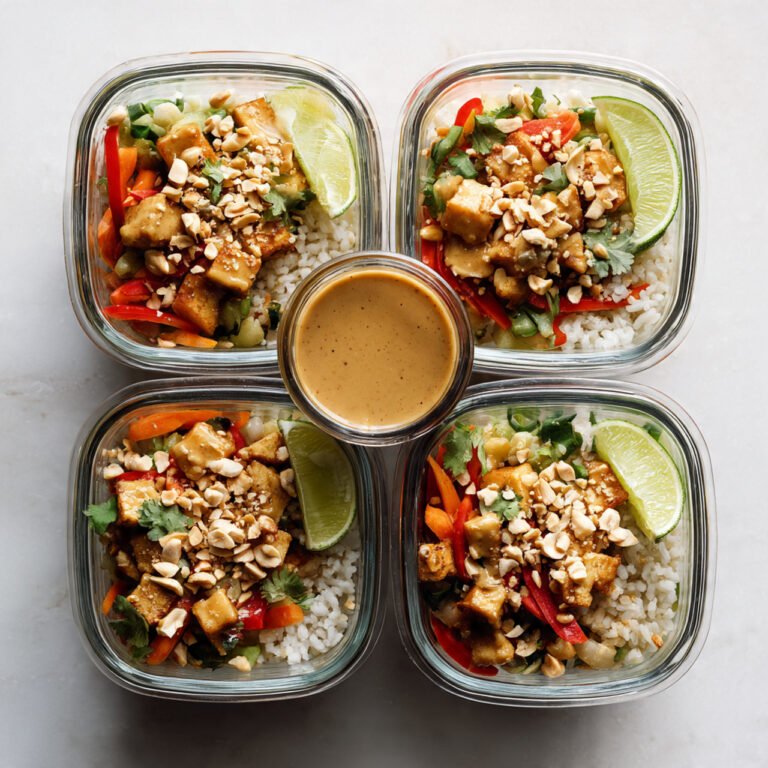
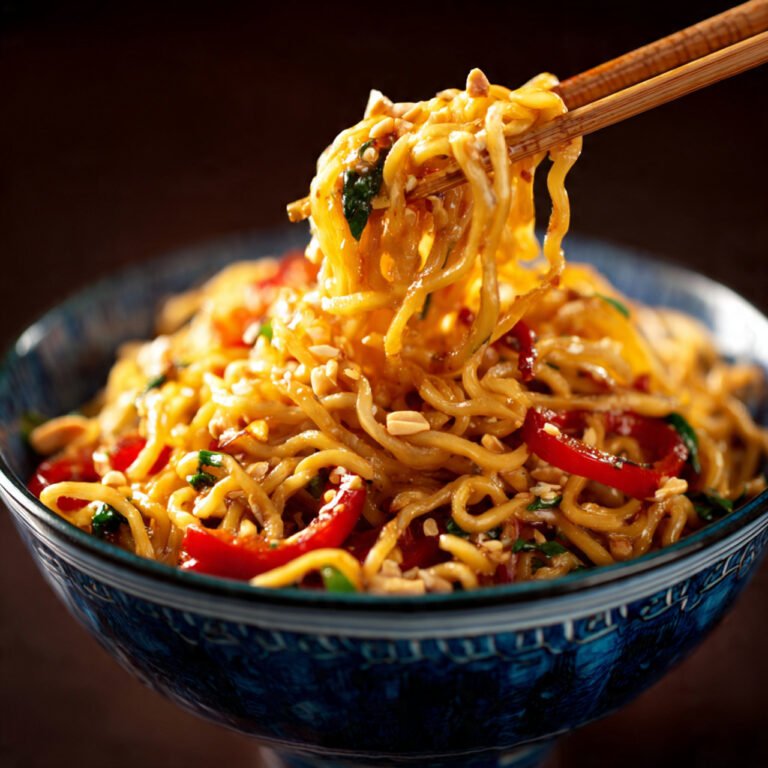
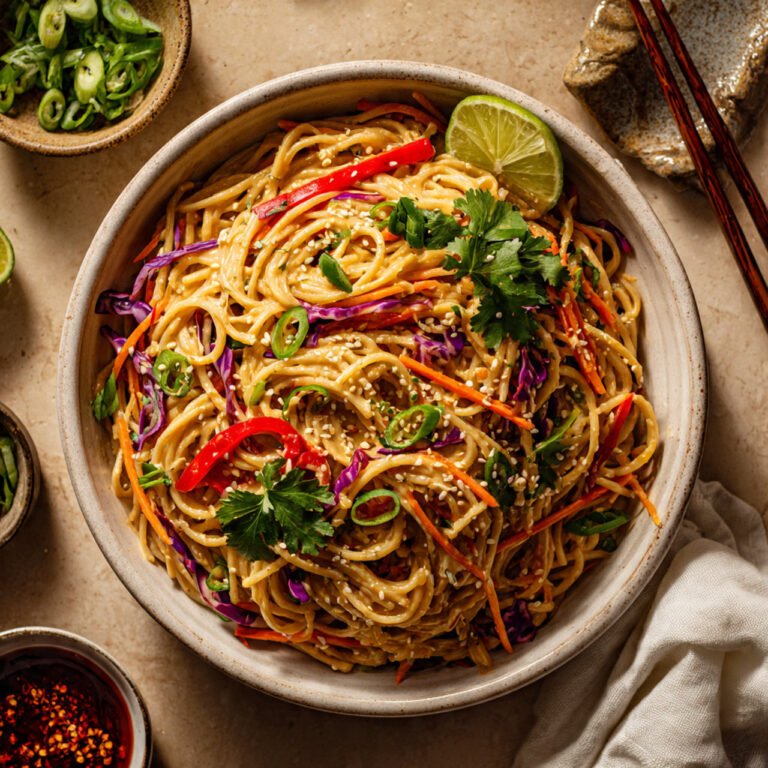
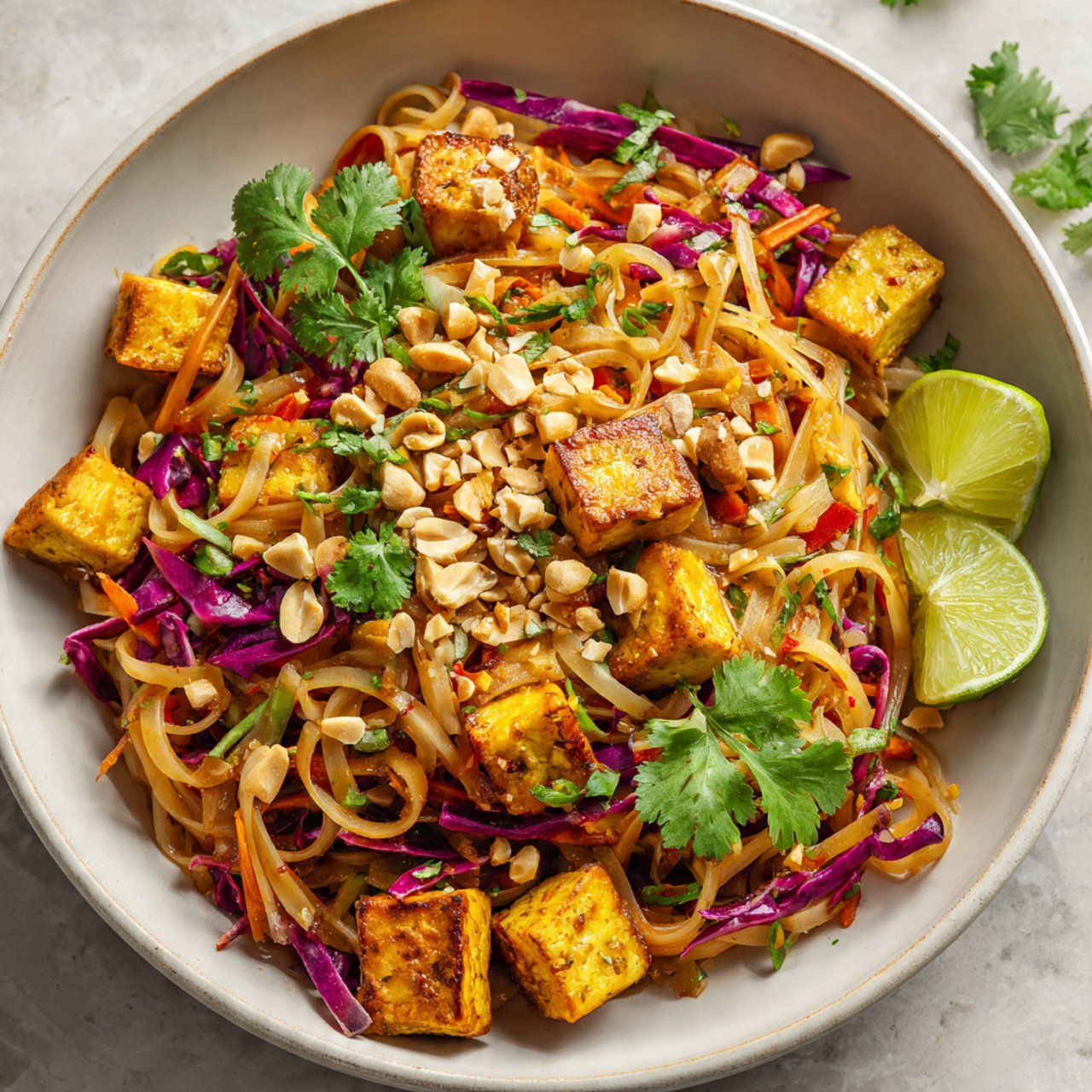
Dreaming of a restaurant-quality noodle bowl packed with vibrant veggies, satisfying tofu, and a lip-smacking sweet-sour-savory sauce? Vegan Pad Thai is the answer! This iconic Thai street food is reimagined for plant-based cooks—rice noodles tossed with crisp veggies and tofu in an easy homemade Pad Thai sauce, then showered with crunchy peanuts, fresh herbs, and a burst of lime. It’s a weeknight favorite, a meal prep star, and customizable for picky eaters or special diets. Make it at home in under 30 minutes—no eggs, no fish sauce, and zero compromise on flavor!
History / Background
Pad Thai, Thailand’s national dish, originated in the 1930s as part of a nation-building campaign—but its roots run even deeper, integrating Chinese techniques and local Thai flavors. Traditionally made with rice noodles, eggs, tofu, dried shrimp, and a tamarind-based sauce, it’s a staple in Thai kitchens and street stalls worldwide. Vegan Pad Thai replaces the fish sauce and eggs with creative plant-based swaps, keeping the dish inclusive without sacrificing authenticity or taste.
Why You’ll Love This Recipe
-
Quick & Easy: On the table in 30 minutes, just one pan.
-
Flavorful Sauce: Tangy, sweet, spicy, and umami all at once.
-
Affordable Pantry Ingredients: Tofu, rice noodles, veggies, and a simple homemade sauce.
-
Customizable: Gluten-free, nut-free, oil-free, or high-protein adjustments are simple.
-
Satisfying: Protein from tofu and peanuts, fiber from noodles and vegetables.
-
Crowd-pleasing: Family-friendly, great for meal prep, and perfect to serve guests.
Ingredient Notes
Rice Noodles:
Flat, medium-sized stir-fry rice noodles are authentic and gluten-free. Soak or boil as package directs.
Tofu:
Extra-firm, pressed, and cubed for best texture; fry for crispness or use air fryer for oil-free.
Veggies:
Classic: bean sprouts, scallions, red bell pepper, carrots, sometimes mushrooms or snap peas. Use what you love!
Pad Thai Sauce:
Balanced with sweet (coconut or brown sugar, or maple), sour (lime juice, tamarind paste/rice vinegar), salty (soy sauce/tamari), and spicy (sriracha or chili flakes). Tamarind paste is traditional for authentic tang!
Garnishes:
Roasted peanuts (or cashews for nut-free), cilantro, lime wedges, and more fresh bean sprouts.
Possible substitutions:
-
Tofu → tempeh or edamame for high-protein
-
No tamarind? Use extra lime juice plus a bit more sugar
-
Nut-free? Top with toasted sesame seeds
Equipment Needed
-
Large nonstick skillet or wok
-
Medium saucepan (noodles)
-
Tongs or spatula
-
Knife and cutting board
-
Mixing bowl and measuring cups/spoons
[tasty-recipe id=”486″]
Tips & Variations
-
Add broccoli, snap peas, or bok choy for more veggies.
-
Make it extra spicy with sliced Thai chilis or chili oil.
-
Swirl in a tablespoon of peanut butter for creamy “satay Pad Thai.”
-
Replace tofu with tempeh or chickpeas for a twist.
-
For low-carb, use konjac noodles or zoodles.
Pro Chef Tips
-
Fry tofu until very crisp before adding to stir-fry.
-
Use very hot pan, cook quickly to avoid mushy noodles.
-
Balance sauce to taste—adjust sweetness, salt, and acidity before adding.
-
Finish with a squeeze of fresh lime for brightness right before serving.
Common Mistakes to Avoid
-
Overcooking noodles—they should be just tender.
-
Adding all sauce at once—thin with water as needed for gloss, not soup.
-
Not pressing tofu—leads to sogginess.
-
Using cold or wet noodles; drain and rinse well to avoid clumps.
-
Skipping fresh lime and peanuts—fresh toppings are essential!
Storage & Meal Prep
-
Cool and store leftovers in airtight container up to 3 days.
-
Reheat gently with a splash of water, tossing over low heat.
-
Store sauce and toppings separate for best texture.
Make-Ahead & Freezer Notes
-
Sauce can be made ahead and refrigerated 1 week.
-
Cooked noodles can get sticky; prep them day-of if possible.
-
Not freezer-friendly (noodle texture changes), but tofu and sauce freeze well.
Serving Suggestions
-
Serve with Thai spring rolls, cucumber salad, or steamed edamame.
-
Pair with iced Thai tea, coconut water, or lime seltzer.
-
Top with extra cilantro, lime, and raw veggies for a fresh twist.
FAQs Section
Q: Can I make this gluten-free?
Yes! Use tamari and confirm your noodles are GF.Q: What protein can I use besides tofu?
Tempeh, chickpeas, or edamame are delicious.Q: Nut-free version?
Use toasted sesame seeds or sunflower seeds for crunch.Q: No tamarind?
Use more lime juice and a hint more sweetener for tang.Q: Is Pad Thai traditionally vegan?
Traditional versions use egg and fish sauce; this vegan version captures all the flavor, no animal products required!
Conclusion
This vegan Pad Thai is fast, bold, and better than takeout. Pin it, prep it, and make it your go-to noodle fix any night of the week—it’s sure to be a hit with vegans, vegetarians, and even the most devoted noodle lovers!
-